Plant Overview
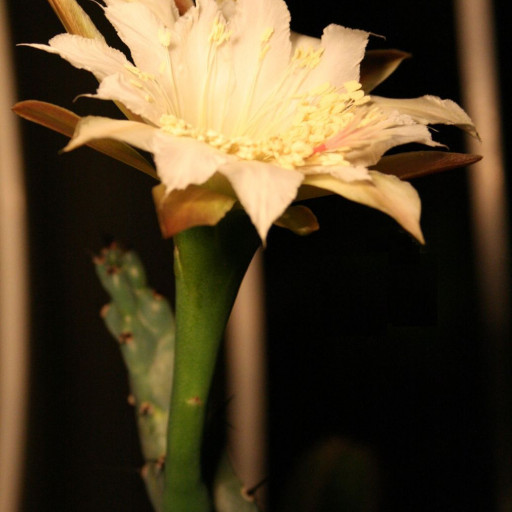
Often called the Moonlight Cactus or the Creeping Cereus, this South American native is a showstopper for those who love "living sculptures." Unlike the rigid, upright cacti most are used to, Cereus spegazzinii features slender, undulating stems that sprawl and climb with a distinct bluish-purple tint. It is famous for its "ghostly" night-blooming flowers that open in the moonlight and wither by dawn.
🔍 How to Identify
- 🌵 The Marble Skin: The stems aren't just green; they feature beautiful mottled patches of dark purple or grey-green, especially around the "areoles" (the spots where spines grow).
- 🐍 Growth Habit: It has thin, 3 to 5-ribbed stems that tend to lean or scramble along the ground rather than standing perfectly straight like a pillar.
- 🌸 Nightly Spectacle: Large, funnel-shaped white flowers emerge in summer. They are highly fragrant and can reach up to 5 inches in diameter, specifically designed to attract nocturnal pollinators.
🏡 In Your Garden
- 🧗 The Need for Space: Because of its scrambling nature, this plant loves a trellis or a hanging basket where its stems can spill over the sides. It’s a fast grower, so give it room to stretch!
- ☀️ Sun Stressing: While it loves bright light, the beautiful purple "marbling" on its skin actually becomes more intense when the plant is exposed to higher levels of sunlight—a natural "suntan" that collectors highly prize.
- 💧 Winter Rest: In the colder months, it enters a dormant phase. It’s vital to keep the soil almost completely dry during this time to prevent the roots from chilling and rotting.
⚠️ Safety & Toxicity
- 🌵 Physical Hazard: While not chemically toxic to humans or pets, it is armed with short, sharp spines. These can cause skin irritation or become embedded in paws and fingers.
- 🐾 Pet Safety: It is generally considered non-toxic if nibbled, but the physical structure makes it a plant best kept out of reach of curious cats or dogs who might knock it over.
✨ Fun Fact
In its native habitat, this cactus is a "night-owl." It relies almost exclusively on hawk moths for pollination. Because these moths fly at night, the plant wastes no energy on colorful flowers during the day, producing pure white blooms that "glow" in the dark to act as a visual beacon!

Detailed Care Instructions
To grow a Cereus spegazzinii plant, also known as the night-blooming cereus or Spegazzini cactus, follow these steps:
- Obtain a healthy plant: Purchase a Cereus spegazzinii plant from a reputable nursery or garden center. Make sure it is disease-free and has no signs of damage or pests.
- Choose the right location: These plants thrive in warm and sunny environments. Select a spot that receives 6-8 hours of direct sunlight daily.
- Prepare the soil: Cereus spegazzinii prefers well-draining soil. Mix equal parts of potting soil, perlite, and coarse sand to create a suitable growing medium. This will prevent waterlogged soil and root rot.
- Plant the cactus: Carefully remove the plant from its nursery pot and gently loosen the roots. Place it in a larger pot or container with adequate drainage holes. Fill the pot with the prepared soil mixture, ensuring the plant is positioned upright and at the same depth as it was in its previous container.
- Watering: Cereus spegazzinii plants are drought-tolerant but require occasional watering. Allow the soil to dry out between waterings, ensuring that excess water drains away. Avoid overwatering as it can lead to root rot.
- Fertilization: Feed your Cereus spegazzinii plant with a balanced cactus fertilizer once every other month during the growing season (spring and summer). Follow the package instructions for dosage and application methods.
- Pruning: Although not necessary, occasional pruning can help shape the plant and remove any dead or damaged parts. Use clean and sharp pruning shears or scissors to avoid introducing diseases.
- Provide support: Cereus spegazzinii plants have long, trailing stems that may need support as they grow. Use stakes or trellises to help them climb or wrap around for stability.
- Protect from frost: These plants are sensitive to frost and cold temperatures. If you live in a region with cold winters, bring the plant indoors or provide suitable protection during winter months.
- Enjoy the blooms: Cereus spegazzinii is known for its exquisite, night-blooming flowers. These showy flowers usually open in the evening and close by morning. Be patient, as it might take several years for the plant to reach maturity and produce blooms.
Remember to regularly monitor your plant's health, watch for signs of pests or diseases, and adjust care practices accordingly.

Place in a bright room that is sun drenched almost all day. Or directly in a south-facing window.

To water this plant, you should first check the soil for moisture. If the soil feels dry to the touch, you can begin watering it. Use a watering can or hose with a gentle flow to avoid disturbing the plant. Water the soil directly at the base of the plant, being careful not to get water on the leaves or stem. Allow the soil to absorb the water thoroughly before stopping. Be careful not to overwater the plant or allow it to sit in standing water, as this can lead to root rot. Consult a plant care guide for more specific watering instructions based on the size and location of the plant.
To fertilize this plant, use a balanced, water-soluble fertilizer once a month during the growing season (spring and summer). Dilute the fertilizer according to the manufacturer's instructions, and apply it to the soil around the plant. Avoid fertilizing during the winter months when the plant is dormant.
The ideal soil for the Cereus Spegazzinii plant would be a mix of organic materials and mineral components. The soil should be well-draining to prevent waterlogging and root rot. A sandy loam soil with a pH range of 6.0 to 7.0 would be suitable for this plant. The soil should also be rich in nutrients, providing the plant with a source of essential vitamins and minerals. A mix of peat moss, perlite, and sand is recommended for the best results. Additionally, it is important to ensure that the soil is not compacted, as this can hinder the growth of the plant's roots. Proper soil preparation is key to ensuring the health and growth of the Cereus Spegazzinii.
To propagate this plant, you can take a cutting from a healthy stem. Make sure the cutting is at least 6 inches long and has several nodes. Allow the cutting to dry out for a few days before planting.
Once the cutting has dried out, you can plant it in well-draining soil. Make a hole in the soil with your finger and gently insert the cutting. You can also dip the end of the cutting in rooting hormone to encourage root growth.
Keep the soil moist but not waterlogged, and place the cutting in a bright, indirect light. Avoid direct sunlight as this can damage the cutting.
Within a few weeks, you should start to see roots growing from the cutting. At this point, you can gradually increase the amount of direct sunlight the plant receives.
After a few months, your new plant should be well-established and can be moved to a larger pot or planted in the ground.
Common pests of the moonlight cactus include Scale insect, mealybugs, spider mites. Make a habit of checking your moonlight cactus frequently for pests so that any infestations can be caught and managed early.








