Plant Overview
Known affectionately in its native India as Khapparkadu, Ceropegia bulbosa is a whimsical succulent vine that hides its greatest treasure underground. This plant is a master of disguise, appearing as a delicate, twining trailer while anchored by a sturdy, potato-like tuber. It is a rarer cousin to the popular "String of Hearts," beloved by collectors for its "alien" flowers and rugged survival skills.
🔍 How to Identify
- 🍃 Foliage Variety: The leaves are thick, fleshy, and succulent. Depending on the specific variety, they can range from narrow, grass-like blades to lush, broad hearts.
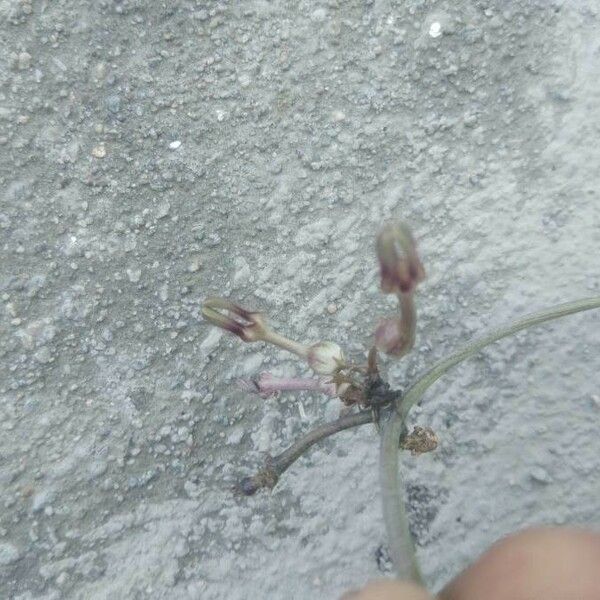
- 🏮 Lantern Blooms: It produces strange, tubular flowers that look like tiny lanterns or cages. These are usually greenish-white with purple spots and a fringed, hairy "canopy" at the top.
- 🥔 The Tuber: The most distinct feature is the underground caudex—a rounded, woody bulb that stores water and nutrients, allowing the plant to survive harsh droughts.
🏡 In Your Garden
- 🧗 The Twining Habit: While it looks beautiful in a hanging basket, this plant is a natural climber. Giving it a small trellis or a bamboo hoop allows it to scramble upward, which often triggers faster growth and more frequent flowering.
- 🏜️ The "Bulb" Rule: Because of its fleshy tuber, this plant is highly sensitive to overwatering. It prefers "neglect" over pampering; if the soil stays damp for too long, the tuber can rot silently beneath the surface. Use a very gritty, cactus-leaning soil mix to keep it happy.
⚠️ Safety & Toxicity
- ✅ Generally Safe: Ceropegia bulbosa is not known to be toxic to humans. In fact, in its native regions, parts of the plant are occasionally used in traditional medicine or even as a food source.
- 🐾 Pet Precaution: While not considered poisonous, it is always wise to keep succulent vines out of reach of curious cats and dogs. Ingesting any plant material can cause mild stomach upset for pets who aren't used to it.
✨ Fun Fact
In many parts of rural India, the tubers of this plant are actually eaten raw as a snack! They are said to have a starchy, slightly sweet taste, similar to a crisp potato or a water chestnut.

Detailed Care Instructions
To grow Ceropegia Bulbosa, also known as the "String of Fingers" plant, follow these steps:
- Purchase or obtain a healthy Ceropegia Bulbosa plant. You can find it at plant nurseries or order it online.
- Choose a suitable container. The pot should have drainage holes at the bottom to prevent waterlogging. Use a potting mix with good drainage, such as a mix of potting soil, perlite, and sand.
- Place the plant in a bright location with indirect sunlight. Ceropegia Bulbosa prefers bright, but not harsh, light conditions. Avoid placing it in direct sunlight, as it can scorch the leaves.
- Water the plant sparingly. Allow the top inch of soil to dry out between watering to prevent overwatering. The Ceropegia Bulbosa is a succulent, and too much water can cause root rot. During the winter months when the plant is dormant, reduce watering further.
- Provide appropriate humidity. Ceropegia Bulbosa prefers moderate humidity levels, but it can tolerate average household levels. You can mist the leaves occasionally or place a tray of water near the plant to increase humidity.
- Maintain a moderate temperature. Ceropegia Bulbosa prefers temperatures between 65-75°F (18-24°C). Avoid exposing it to extreme temperatures or drafts, as it can damage the plant.
- Fertilize sparingly. Use a balanced houseplant fertilizer diluted to half strength once a month during the growing season (spring and summer). Avoid overfertilizing, as it can cause damage to the plant.
- Propagate the plant if desired. Ceropegia Bulbosa can be propagated through stem cuttings. Simply take a healthy cutting, let it dry for a day or two to allow the cut end to callous, and then place it in a well-draining medium. Keep the soil slightly moist until roots develop, usually within a few weeks.
- Monitor for pests and diseases. Ceropegia Bulbosa can be susceptible to common houseplant pests like spider mites or mealybugs. Regularly inspect the plant and take appropriate measures, such as using insecticidal soap or neem oil, if pest infestation occurs.
By following these care tips, you can successfully grow and maintain a Ceropegia Bulbosa plant.
Ceropegia Bulbosa plant requires regular watering, but it is essential to prevent waterlogging as it may lead to root rot. The watering schedule depends on the environment and season. In winter, it needs less water, while in summer, it requires frequent watering. It is best to water the plant when the topsoil feels slightly dry to the touch. Use room temperature water and pour it evenly on the soil surface, allowing it to soak in. Avoid getting water on the leaves and stems.
To ensure proper drainage, use a well-draining soil mix and a pot with drainage holes. If the plant is overwatered or left in soggy conditions, wait until the soil dries out before watering again. In case of underwatering, the plant may wilt and dry out, and the leaves may turn yellow. Overwatering may cause the leaves to droop and fall off.
It is also recommended to mist the plant occasionally, especially during dry and hot weather. This will increase the humidity around the plant, keeping its leaves healthy and shiny. Overall, Ceropegia Bulbosa plant prefers moderate watering and humidity, making it an ideal houseplant.
To fertilize a Ceropegia Bulbosa plant, follow these instructions:
- Choose a balanced liquid fertilizer specifically formulated for indoor plants or succulents.
- Dilute the fertilizer according to the package instructions. Generally, a dilution ratio of 1:2 (fertilizer:water) is recommended.
- Begin fertilizing in the spring and continue approximately once every month during the growing season (spring and summer months).
- Water the plant thoroughly before fertilizing to ensure the soil is moist and the nutrients can be absorbed properly.
- Pour the diluted fertilizer solution around the base of the plant, avoiding direct contact with the leaves or stems.
- Be careful not to over-fertilize, as this can lead to salt build-up in the soil, causing damage to the plant. If in doubt, dilute the fertilizer more or fertilize less frequently.
- During the fall and winter months, reduce or suspend fertilization to correspond with the plant's dormant period.
- Monitor the plant's response to the fertilizer and adjust the frequency or strength of fertilization if necessary. Lush green growth and overall healthy appearance indicate proper fertilization.
Note: It is always advisable to read and follow the specific instructions provided with the chosen fertilizer product, as some variations may exist.
Ceropegia Bulbosa plant requires well-draining soil that is rich in nutrients. The soil should be about 50% coarse sand or perlite, 30% peat moss or coconut coir, and 20% organic matter such as garden soil. Avoid using heavy soils that retain water and can cause root rot. It is important to maintain good drainage and avoid overwatering the plant. Adding a small amount of slow-release fertilizer can help promote healthy growth. Additionally, the plant prefers a slightly acidic soil with a pH range of 6.0-6.5.
- Identify a healthy Ceropegia Bulbosa plant with mature growth.
- Select a suitable stem cutting for propagation. Look for a stem that is approximately 3-4 inches long and has at least one set of leaves.
- Using a sharp, sterilized knife or pair of scissors, make a clean cut just below a leaf node. A leaf node is the point on the stem where a leaf emerges.
- Remove the lower leaves from the cutting, leaving only a few pairs of leaves at the top. This will help reduce water loss and aid in rooting.
- Optional: Apply a rooting hormone to the cut end of the stem. This can help stimulate root development and increase the chances of successful propagation.
- Prepare a well-draining propagation medium. This can be a mix of equal parts perlite and peat moss, or a commercial succulent mix.
- Plant the cutting into the prepared propagation medium. Make a small hole using your finger or a pencil and gently insert the stem into the hole. Firmly press the medium around the base of the cutting to secure it in place.
- Water the cutting lightly to settle the medium around the stem and provide initial moisture. Be careful not to overwater, as excessive moisture can cause rotting.
- Place the cutting in a warm, bright location, but avoid direct sunlight. A temperature range of 70-80°F (21-27°C) is ideal for root development.
- Maintain a slightly humid environment around the cutting to prevent excessive moisture loss. You can cover the cutting with a clear plastic bag or place it inside a propagator to create a mini greenhouse effect.
- Mist the cutting with water occasionally to keep the leaves hydrated without overwatering the medium.
- After a few weeks, check for root development by gently tugging on the stem. If you feel resistance, it indicates that roots have formed.
- Once roots have established, gradually acclimate the young plant to its final growing environment. Increase the amount of light it receives, and gradually reduce humidity by removing the plastic covering for longer periods each day.
- Transplant the rooted cutting into a well-draining potting mix suitable for Ceropegia Bulbosa. Water the plant regularly, allowing the soil to dry out slightly between waterings.
- Monitor the newly propagated plant for any signs of stress or disease. Maintain appropriate care and provide necessary support, such as a trellis or bamboo stakes, as the plant grows taller.








