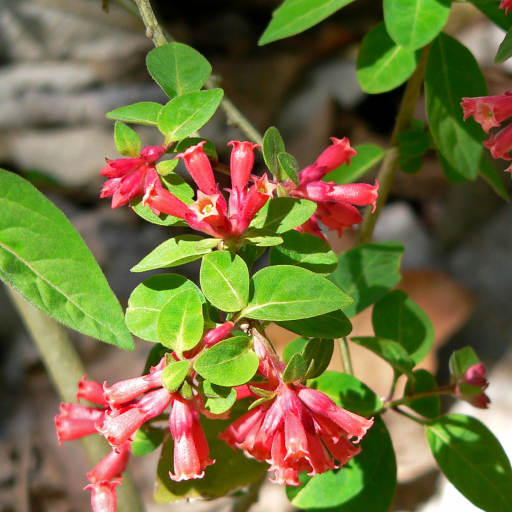
Plant Overview
Hailing from the lush mountains of Mexico, Cestrum fasciculatum—commonly known as Early Jessamine—is a vibrant evergreen shrub that looks like it belongs in a tropical fairytale. Known for its arching branches laden with clusters of "red lanterns," this plant is a favorite for gardeners looking to add a dramatic splash of color and a banquet for local pollinators. While it shares the "Jessamine" name with fragrant jasmines, its beauty is purely visual, as its unscented flowers prioritize bold color over perfume.
🔍 How to Identify
- 🏮 The Flowers: Deep red to purplish-pink tubular blossoms that grow in dense, fuzzy clusters (fascicles) at the ends of the branches.
- 🍃 The Foliage: Large, ovate, dark green leaves that feel slightly velvety to the touch due to a fine layer of soft hairs.
- 🌿 The Stems: Young stems often have a distinctive purplish hue and are covered in fine downy hairs, giving the plant a soft, textured appearance.
🏡 In Your Garden
- ✂️ Growth Management: This is a fast-growing, sprawling shrub that can quickly become "leggy." To keep it looking like a lush centerpiece rather than a messy thicket, prune it back hard after the main flowering flush to encourage new, bushy growth.
- 💧 Thirsty but Picky: While it loves consistent moisture to keep its heavy foliage lush, it is prone to root rot if left in standing water. It thrives best in rich, organic soil that drains quickly—think "forest floor" conditions.
- ☀️ Light Nuance: In cooler climates, it craves full sun to produce the best blooms, but in scorching regions, it appreciates "dappled shade" during the afternoon to prevent its soft leaves from wilting.
⚠️ Safety & Toxicity
- 🚫 Toxic Status: Highly Toxic. Like many members of the Solanaceae (Nightshade) family, all parts of the Early Jessamine are poisonous if ingested.
- 🐾 Risk Group: Keep this plant away from curious pets and young children. The berries, though attractive, contain alkaloids that can cause severe digestive distress and respiratory issues if eaten.
✨ Fun Fact
Despite its lack of fragrance, the Early Jessamine is a high-energy "refueling station" for hummingbirds. Its tubular shape is perfectly evolved for their long beaks, making it one of the best plants for attracting these tiny, hovering acrobats to your backyard.

Detailed Care Instructions

Place in a bright room that is sun drenched almost all day. Or directly in a south-facing window.

The presence of a dry surface layer of soil does not indicate that the plant requires water. Instead, stick your finger 1-2" (3-5 cm) deep in the soil to feel dampness or moisture content. If the soil seems dry, it's time to water your greens. If the soil is still moist, however, it is better not to water your plant and instead wait a day or two. Overwatering or waterlogging raises the risk of root rot. So if the soil takes longer than a week to dry, check the light conditions because it's likely that the plant isn't getting enough light. It's fine if the upper layer of soil is dry between waterings, but the deeper soil layer should always have some moisture.








