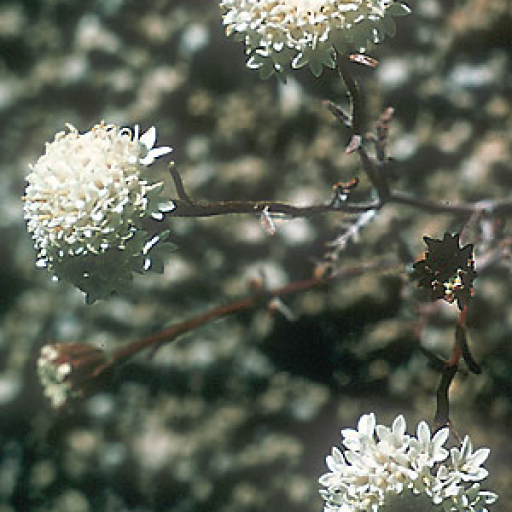
Plant Overview
Commonly known as the Xantus' Pincushion, this desert wildflower is a tribute to the rugged beauty of the American Southwest. Named after the eccentric 19th-century naturalist John Xantus, it thrives where most plants wither, turning parched sandy flats into a delicate sea of pale, airy blooms. It is a master of efficiency, acting as a "spring ephemeral" that completes its life cycle quickly while the desert soil still holds the memory of winter rains.
🔍 How to Identify
- 🌸 The "Pincushion" Head: The flower heads are composed entirely of disc florets, lacking the long "petals" (ray florets) seen on daisies. This gives the bloom a fuzzy, rounded look, similar to a cushion filled with pins.
- 🌿 Lacy Foliage: The leaves are grayish-green and deeply divided into narrow, fleshy lobes. This delicate structure helps the plant minimize water loss in harsh sun.
- ☁️ Woolly Stems: The stems often feature a fine, cobweb-like coating of white hairs, which provides a layer of sun protection and helps trap a tiny amount of moisture against the plant's skin.
🏡 In Your Garden
- 🏜️ The Sand Lover: Unlike garden-variety flowers, Xantus' Pincushion requires exceptionally fast-draining, sandy, or gravelly soil. It is prone to root rot if kept in standard potting mix or heavy clay, as it has evolved specifically for arid "wash" environments.
- ☀️ Sun Worshiper: This plant requires full, intense sunlight to thrive and will become leggy and weak if grown in even partial shade. It is a perfect candidate for a "Xeriscape" or a dedicated native desert garden where supplemental watering is kept to an absolute minimum.
⚠️ Safety & Toxicity
- ✅ Low Risk: Chaenactis xantiana is generally considered non-toxic to humans and common household pets.
- 🧤 Skin Sensitivity: While not poisonous, the fine hairs on the stems and the sticky resins found in many desert Asteraceae (sunflower family) members can occasionally cause mild skin irritation for sensitive individuals. It’s best to wear gloves if you are handling them extensively.
✨ Fun Fact
The man this plant is named after, John Xantus, was a colorful Hungarian exile who worked for the U.S. Coastal Survey. He was known for his "creative" storytelling—claiming to be a Baron and a veteran of multiple wars—but his scientific contributions were real, as he discovered hundreds of new species across the American West!

Detailed Care Instructions

Place in a bright room that is sun drenched almost all day. Or directly in a south-facing window.

Water-loving plants flourish in wet or sloppy soil and near ponds. The extensive root system enables these plants to absorb plenty of water. The surface of the soil should be kept moist at all times. Place your pot in a container filled with water to guarantee that plants get enough water. If the ground becomes dry, it is recommended that you water it well. Plants in smaller pots will need to be watered more frequently. Water the soil in which the plant is standing thoroughly using a watering can.








