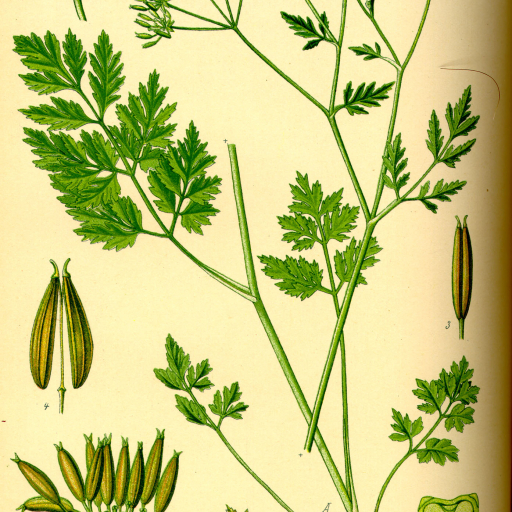
Plant Overview
Often called Rough Chervil, this biennial wildflower is a master of disguise within the carrot family. While it may look like a delicate addition to a woodland edge, its purple-blotched stems and hairy texture carry a more sinister reputation. Historically, it was noted for causing a "staggering" or "drunken" gait in livestock that grazed upon it, leading to its Latin name temulum, which translates to "tipsy."
🔍 How to Identify
- 💜 The Stem: Look for distinct purple spots or blotches and a dense covering of short, downward-pointing hairs. The stem is notably swollen just below the leaf joints (nodes).
- 🌿 The Leaves: The foliage is fern-like and bipinnate, but unlike its lookalikes, it has a dull, dark green color and a soft, hairy texture on both sides.
- 🌸 The Flowers: Small, white, five-petaled flowers grow in flat-topped clusters called umbels. A key giveaway is that the flower buds often droop downward before they fully open.
🏡 In Your Garden & Nature
- 🌳 The Habitat: Rough Chervil thrives in dappled shade. You will most often spot it lining the edges of forests, tucked into hedgerows, or popping up along rural roadsides where the soil remains slightly damp.
- 🌱 Growth Habit: As a biennial, it spends its first year forming a low-growing rosette of leaves. In its second year, it rapidly shoots upward to reach heights of up to three feet to disperse its seeds before dying back.
⚠️ Safety & Toxicity
- 🚫 Status: TOXIC. While not as deadly as its cousin, Poison Hemlock, Rough Chervil contains volatile alkaloids that should never be ingested.
- 🧤 Skin Sensitivity: The sap can cause skin irritation or "phytophototoxicity" in some people, where the skin becomes sensitive to sunlight after contact. It is highly recommended to wear gloves if you are clearing it from a garden.
- 🐾 Pet Warning: Keep curious dogs and livestock away, as ingestion can lead to digestive distress and coordination issues.
✨ Fun Fact
The "Rough" in its common name isn't just for show—if you run your fingers (carefully!) along the stem, it feels notably sandpaper-like compared to the smooth, hollow stems of the edible Cow Parsley it is frequently confused with.

Detailed Care Instructions
To grow a Chaerophyllum temulum plant (also known as rough chervil or cow parsley), follow these steps:
- Choose the right location: Chaerophyllum temulum plants prefer partial shade to full sun. Select a spot in your garden that receives at least a few hours of direct sunlight each day.
- Prepare the soil: The plant prefers well-draining soil, so ensure that the soil is fertile and has good drainage. Add organic matter such as compost or aged manure to improve the soil's quality and fertility.
- Sow the seeds: Chaerophyllum temulum is typically grown from seeds. Sow the seeds directly into the garden bed in early spring or early fall. You can scatter the seeds across the soil surface, lightly pressing them into the soil, or plant them in rows about 1/4 inch deep.
- Water regularly: Keep the soil consistently moist but not waterlogged. Water the plant regularly, especially during dry spells. Be careful not to overwater, as it can cause root rot.
- Thin the seedlings: Once the seedlings emerge, they will likely be crowded together. Thin the plants by removing weaker seedlings, leaving about 6-12 inches of space between each plant. This will provide enough room for them to grow and reduce competition for nutrients.
- Mulch around the plants: Apply a layer of organic mulch, such as straw or wood chips, around the base of the plants. Mulch helps retain moisture in the soil and suppresses the growth of weeds, which can compete with the Chaerophyllum temulum plant.
- Harvest and care: Chaerophyllum temulum is a biennial plant, meaning it takes two years to complete its lifecycle. Harvest the leaves and stems when the plant is established and mature, usually during the first or second year. Regularly remove any dead or damaged foliage to promote healthier growth.
Remember to check your local regulations before growing Chaerophyllum temulum, as it can behave invasively in some regions.

Place in a bright room that is sun drenched almost all day. Or directly in a south-facing window.

To water this plant, you should begin by checking the moisture level of the soil using a moisture meter or by feeling the soil with your fingers. The soil should be moderately moist, but not completely saturated or bone dry. When watering, use room temperature water and apply it evenly around the root area, making sure not to pour water on the leaves or stem. You can water this plant once a week, or more frequently in hot and dry conditions. Avoid overwatering as this can lead to root rot and damage the plant.
To fertilize this plant, you should use a balanced fertilizer, which means that the three main nutrients (nitrogen, phosphorus, and potassium) are present in equal amounts. You should apply the fertilizer once a month during the growing season, which typically runs from spring through summer. Be sure to water the plant thoroughly after each application of fertilizer to ensure that the nutrients are absorbed by the roots. Avoid over-fertilizing, as this can lead to excessive growth and weak plants that are more susceptible to disease and pests.
Chaerophyllum temulum plant prefer a well-draining soil that is rich in organic matter. They grow best in moist soil with a pH range between 5.5 and 7.5. For optimal growth, it is recommended to use a nutrient-rich soil that is slightly acidic. A good soil mix for this plant may include a combination of peat moss, perlite, and vermiculite. It is also important to ensure that the soil is not too compacted or dense, as this can hinder root growth and lead to waterlogged soil. Adequate drainage is essential to prevent root rot and other soil-borne diseases. Therefore, it is recommended to use a potting mix specifically designed for indoor gardening or a high-quality garden soil that is well-aerated. Regular fertilization and soil amendments can also help promote healthy growth and development.
To propagate this plant, you can start by collecting its seeds from mature flowers. The seeds should be ripe and brown in color. Once collected, you can sow them thinly in seed trays filled with seed compost. Cover the seeds with a thin layer of compost and water lightly.
Place the tray in a warm, bright location but avoid direct sunlight. Water the seeds regularly to keep the soil moist, but be careful not to overwater. In about 2-3 weeks, the seeds should germinate and small seedlings will appear.
Once the seedlings have grown to a few inches tall, you can transfer them into small individual pots. Fill the pots with a good-quality potting mix and make sure there are drainage holes in the bottom.
Water the seedlings regularly, but let the soil dry out slightly between watering. You can fertilize the seedlings once they have established roots by applying a balanced fertilizer at half-strength.
As the seedlings grow, you can gradually move them to larger pots or transplant them to their final outdoor location. Make sure to harden off the seedlings before planting them outdoors by gradually exposing them to outdoor conditions over a week or two.
Overall, propagating this plant from seeds is a relatively easy process that can yield many new plants for your garden.








