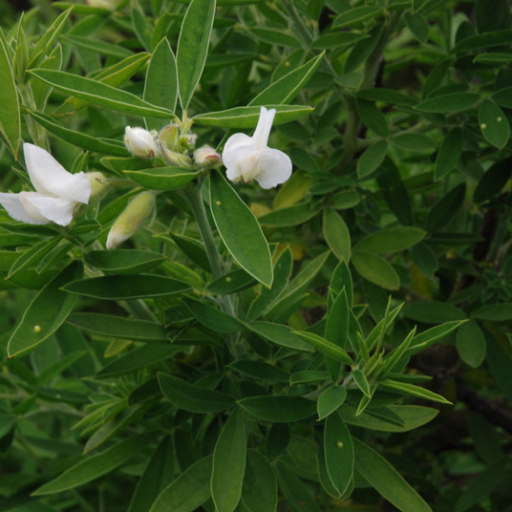
Plant Overview
Often called Tagasaste or Tree Lucerne, this elegant evergreen is a multi-purpose wonder from the volcanic slopes of the Canary Islands. It is beloved by permaculture enthusiasts for its ability to "fix" nitrogen in the soil and provide a fountain of creamy white blossoms when most other plants are still dormant. Whether used as a leafy windbreak or a nutritious snack for livestock, it’s a resilient survivor that brings a soft, weeping aesthetic to any landscape.
🔍 How to Identify
- 🌼 The Flowers: Clusters of creamy-white, pea-like blossoms that emit a subtle, sweet fragrance. They typically appear in late winter to early spring, covering the branches in a snowy display.
- 🍃 The Foliage: Distinctive trifoliate leaves (groups of three) that are a soft, dull green on top and often have a velvety, silvery underside due to fine hairs.
- 🌿 The Habit: A fast-growing, weeping shrub or small tree that can reach up to 5-6 meters. Its branches are long and flexible, often arching gracefully toward the ground.
🏡 In Your Garden
- 🌱 Soil Architect: As a member of the legume family, it has a symbiotic relationship with soil bacteria that allows it to pull nitrogen from the air and store it in its roots. This makes it a "pioneer plant" that actually improves the soil quality for its neighbors.
- 🌬️ Living Shelter: Because it grows so rapidly and stays green year-round, it is frequently used as a "nurse tree" or a windbreak to protect more delicate plants from harsh gusts and erosion.
- ✂️ Pruning Needs: To keep it from becoming too "leggy" or top-heavy, it benefits from regular pruning. In fact, cutting it back encourages more of the lush, leafy growth that makes it such a popular ornamental and fodder plant.
⚠️ Safety & Toxicity
- 🟢 Status: Generally non-toxic and highly beneficial.
- 🐾 Animal Friendly: It is famously used as high-protein fodder for sheep, cattle, and goats. Unlike many other garden shrubs, it is safe if your livestock or pets decide to take a nibble.
- 🚫 Invasive Potential: Because it produces a large amount of seeds that remain viable for years, it can become "weedy" in certain climates (like parts of Australia or New Zealand). Always check local regulations before planting it near wild bushland.
✨ Fun Fact
Tagasaste is a lifeline for honeybees! Because it blooms so early in the year when very few other flowers are awake, it provides a critical source of high-quality pollen and nectar to help beehives survive the final stretch of winter.

Detailed Care Instructions
To grow Chamaecytisus proliferus, also known as Canary Island Broom or Tree Broom, you can follow these steps:
- Seed Collection: Obtain fresh, mature seeds from a reliable source. Seeds can be collected from seed pods that have turned brown and partially opened naturally.
- Seed Stratification: Some sources recommend soaking the seeds in water for 24 hours, followed by a cold stratification period by refrigerating the seeds in a moist paper towel kept in a plastic bag for about 4-6 weeks. This mimics winter conditions and breaks the seed dormancy.
- Seed Sowing: Fill a seed tray or pot with a well-draining seed starting mix. Sow the seeds approximately ¼ inch deep into the soil and cover lightly with more soil. Mist the soil surface with water to keep it moist.
- Germination: Place the seed tray in a warm and bright location but out of direct sunlight. A consistent temperature of 60-70°F (15-21°C) is ideal for germination. It can take anywhere from a few weeks to a few months for the seeds to germinate.
- Transplantation: Once the seedlings have developed a few sets of true leaves, they can be transplanted into individual pots. Use a well-draining potting mix, and handle the seedlings carefully to avoid damaging the roots. Provide adequate water and maintain a moderate level of humidity.
- Growth Conditions: Place potted seedlings in a sunny location with at least 6-8 hours of direct sunlight each day. Chamaecytisus proliferus prefers well-drained soil and can tolerate some drought once established. Water the plants regularly, especially during dry periods, but avoid overwatering to prevent root rot.
- Pruning and Maintenance: Canary Island Broom can grow into a small tree, so periodic pruning is necessary to maintain a desired shape and size. Prune back any dead or damaged branches and shape the plant as desired. This can be done in late winter or early spring before new growth emerges.
- Protection: While the plant is young and establishing itself, protect it from frost and extreme weather conditions. Covering the plant with a frost cloth or bringing it indoors during harsh winters can help prevent damage.
Remember to check your local regulations regarding invasive plant species, as Chamaecytisus proliferus can sometimes be considered invasive in certain regions.
To water this plant, make sure the soil is dry to the touch before giving it a thorough watering. Avoid letting the plant sit in standing water as it is prone to root rot. Water from the base of the plant, pouring directly onto the soil rather than over the leaves. During the hot summer months, increase the frequency of watering to keep the soil consistently moist but not waterlogged. In the winter, reduce watering to once every two weeks or when the soil feels dry.
For optimal growth and flowering, apply a balanced fertilizer in early spring just before new growth appears. Apply a second round of fertilizer in early summer to promote continued growth and blooming. Make sure to water the plant well before and after fertilizing to prevent any potential damage to the roots. Avoid over-fertilizing as this can lead to weak, leggy growth and reduced flowering.
Chamaecytisus Prolifer plant prefers well-draining soil with good fertility and a slightly acidic pH level. It thrives in soil with a mixture of sand, loam, and peat, which provides both good drainage and moisture retention. The soil should also have good air circulation to promote healthy root growth. Adding organic matter to the soil can help improve its fertility and nutrient content. Avoid using heavy soils that retain moisture, as this can lead to root rot and other plant diseases. It's recommended to avoid using soil mixes that contain vermiculite or perlite, as these materials may interfere with the plant's growth. Overall, a well-draining soil with a slightly acidic pH is ideal for Chamaecytisus Prolifer plant.
To propagate this plant, you will need to take softwood cuttings in the spring or summer. Choose healthy stems that are neither too young nor too old. Make a clean, angled cut with a sharp, sterilized knife or pruners. Remove any lower leaves and make a clean cut just below a node or leaf joint. Dip the cut end in rooting hormone powder or liquid and tap off any excess. Insert the cutting into a moistened potting mix or a half-and-half mix of perlite and peat, burying about half of the stem. Water the cuttings well and cover them with a clear plastic bag or a plastic bottle with the bottom cut off to create a humid environment. Place the cuttings in a warm, bright spot out of direct sunlight. Check the moisture level regularly and mist if needed. After a few weeks, when the cuttings have rooted and started to sprout new growth, you can gradually acclimate them to normal conditions by removing the covering and increasing exposure to light and air. Once the cuttings have formed a good root system, you can transplant them into individual pots or into the ground.








