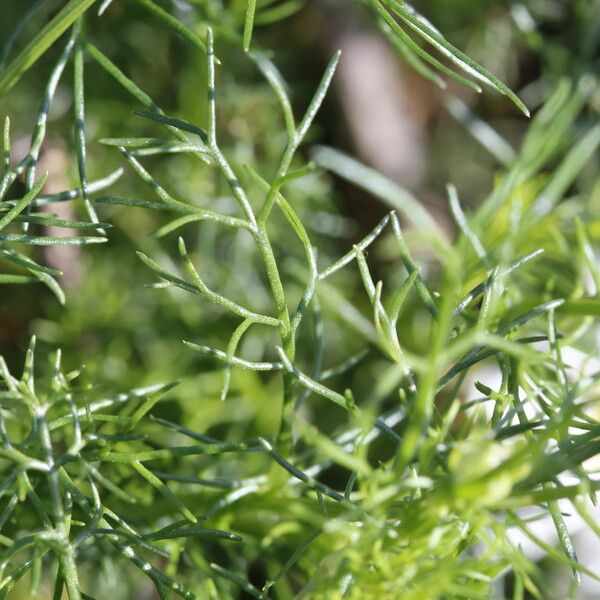
Plant Overview
Often called the Dusky Chamomile, this Mediterranean native is the shy, winter-loving relative of the famous herbal chamomile. While most daisies wait for the peak of summer to shine, this resilient little plant prefers the cooler, damp days of late autumn and early spring to show off its delicate blooms. It is a master of the "off-season," providing a carpet of green when most of the garden has gone dormant.
🔍 How to Identify
- 🌿 Feathery Foliage: The leaves are finely dissected and lace-like, creating a soft, ferny mat that stays low to the ground.
- 🌼 Dusky Flowers: At first glance, it looks like a standard daisy, but look closer at the "scales" underneath the yellow center; they are often tinged with a dark, brownish-purple hue (giving it the name fuscatum).
- 👃 The Apple Scent: If you gently brush against the leaves, they release a light, sweet fragrance reminiscent of green apples, a classic trait of the Chamaemelum family.
🏡 In Your Garden
- 🌱 Winter Interest: Because this plant thrives in cooler temperatures, it is perfect for filling gaps in rock gardens or Mediterranean-style landscapes during the winter months.
- 💦 Well-Drained Soil: It hates "wet feet." In its natural habitat, it grows in sandy or rocky soils where water drains away quickly, so avoid heavy clay spots that stay soggy.
⚠️ Safety & Toxicity
- 🤧 Allergy Alert: Like many members of the Asteraceae (daisy) family, this plant can trigger reactions in people sensitive to ragweed or marigolds. Handling it might cause a mild skin rash for some.
- 🐾 Pet Safety: It is generally considered non-toxic in small amounts, but frequent grazing by cats or dogs can lead to stomach upset or skin irritation. It is best kept as an ornamental rather than a snack for pets.
✨ Fun Fact
The genus name Chamaemelum comes from the Greek words chamai (on the ground) and melon (apple), perfectly describing its low-growing habit and its surprisingly fruity scent!

Detailed Care Instructions

Place in a bright room that is sun drenched almost all day. Or directly in a south-facing window.

Some plants require more regular watering than others, which should be done every few days. It's critical to maintain the soil moist all of the time. The water requirements of the same plant placed in pots with varying sizes will differ. Because the water in the smaller pot evaporates faster than the water in the larger pot, it will require more watering. Regardless of pot size, the surface should constantly be maintained moist.








