Plant Overview
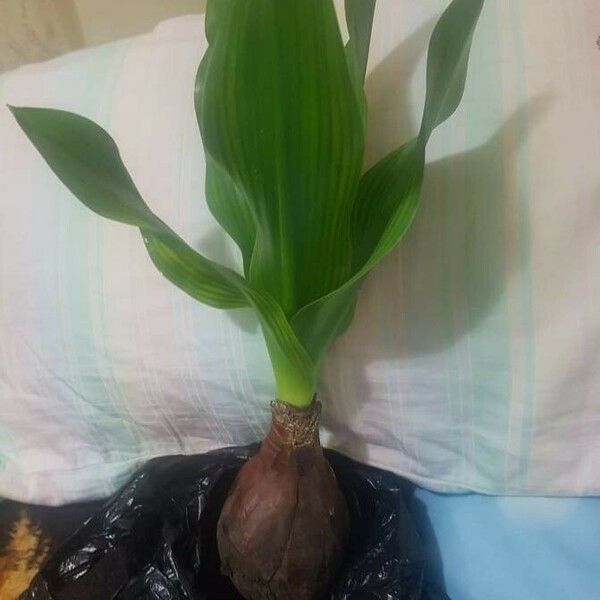
Often called the Sea Onion or Giant Squill, Charybdis maritima is a botanical marvel of the Mediterranean. It is famous for its colossal bulbs that sit defiantly above the soil, looking like giant, oversized onions. Historically, it has been revered as both a protective talisman and a potent (though dangerous) medicinal herb since the time of Ancient Greece.
🔍 How to Identify
- 🧅 The Massive Bulb: Features a huge, papery bulb that can reach the size of a human head, often sitting partially exposed on the soil surface.
- 🕯️ The "Naked" Flower Spike: In late summer, a dramatic, leafless stalk shoots up to 5 feet tall, crowded with hundreds of tiny, starry white blossoms.
- 🍃 Winter Foliage: Broad, leathery, sword-shaped leaves that appear only after the flowers fade, staying green through winter before dying back in the summer heat.
🏡 In Your Garden
- 🌊 Coastal Specialist: This plant is a true survivor, thriving in rocky, sandy soil and salty sea breezes where other plants might wither.
- ⏳ Summer Dormancy: It follows an unusual lifecycle; do not panic when the leaves wither and disappear in July. The bulb is simply resting and storing energy for its spectacular autumn "candle" of flowers.
- ☀️ Sun Worshipper: To get the best blooms, it needs a "baking" period in the summer sun with very little to no supplemental water.
⚠️ Safety & Toxicity
- 🚫 Highly Toxic: Every part of the Sea Squill contains cardiac glycosides (similar to those found in Foxglove). Ingestion can cause severe heart distress, vomiting, and even death.
- 🐾 Pet Warning: Keep away from curious dogs and cats, as the massive bulb is particularly concentrated with toxins.
- 🧤 Skin Irritant: The sap contains microscopic "needles" (calcium oxalate crystals) that can cause intense itching or a burning rash. Always wear gloves when dividing or handling damaged bulbs.
✨ Fun Fact
In Greek folklore, the Sea Squill is considered a symbol of regeneration because it blooms even in the driest, harshest conditions. It is still a tradition in some Mediterranean regions to hang a bulb over the front door on New Year’s Eve to bring health and good luck to the household!

Detailed Care Instructions
To grow Charybdis Maritima (also known as sea squill or maritime squill), you can follow these steps:
- Planting: Start by planting the bulbs of Charybdis Maritima in well-draining soil. Dig a hole that is about two to three times the height of the bulb, and place the bulb with the pointed tip facing upwards.
- Location: Choose a location that receives full sun or partial shade. Charybdis Maritima prefers a warm and sunny spot.
- Soil: The soil should be well-draining and sandy or loamy. You can improve the drainage by adding organic matter like compost to the soil.
- Watering: While Charybdis Maritima can tolerate drought-like conditions, it is better to keep the soil slightly moist during its active growth period. Water sparingly during the dormant phase.
- Fertilization: Use a balanced, all-purpose fertilizer during the growing season to promote healthy growth. Follow the manufacturer's instructions for the appropriate dosage.
- Mulching: Apply a layer of organic mulch, such as compost or bark chips, around the plant to conserve moisture and suppress weed growth.
- Division and Propagation: Charybdis Maritima can be divided and propagated by bulbs once it has become established. This can be done during the dormant phase in late summer or early autumn.
- Care: Remove any dead or decaying foliage to maintain the plant's appearance and prevent pest or disease issues. Additionally, protect the plant from extreme temperatures and frost.
- Pests and Diseases: Charybdis Maritima is generally resistant to most pests and diseases. However, keep an eye out for snails and slugs, as they may feed on the foliage.
With proper care and the right growing conditions, your Charybdis Maritima plant should thrive and produce beautiful flowers in its blooming season.

Place in a bright room that is sun drenched almost all day. Or directly in a south-facing window.

In order to water this plant, you should first ensure it is potted in well-draining soil. When watering, only water when the top inch of soil feels dry to the touch. Water slowly and evenly, being careful not to let water pool on top of the soil or sit in a saucer beneath the pot. It is important to avoid overwatering, as this can lead to root rot and damage. The plant should also be placed in a spot with bright, indirect sunlight to help it thrive.
To fertilize this plant, use a balanced liquid fertilizer diluted to half strength and apply every two weeks during the growing season. Avoid fertilizing during the dormant period. Make sure to water the plant well before and after fertilizing to avoid root burn.
Charybdis Maritima plant prefers a well-draining soil that is rich in organic matter. It grows best in soil that has a slightly acidic pH between 5.5 and 6.5. The soil should be light and sandy, with good aeration to ensure optimal growth and development. However, it can also tolerate heavy soils if they are well-draining.
To prepare the soil for planting, it is recommended to add compost or well-rotted manure to the soil to improve its organic content and structure. Vermiculite or perlite can also be added to improve drainage and aeration. It is important to avoid using heavy clay soils or soils that are prone to waterlogging as these can cause root rot.
When planting Charybdis Maritima, the soil should be moist but not waterlogged, as overwatering can also lead to root rot. Watering should be done regularly, but the plant should be allowed to dry out slightly between waterings to encourage healthy root growth. Mulching around the base of the plant can help to retain moisture and suppress weeds.
Overall, choosing the right soil for Charybdis Maritima is essential for ensuring healthy growth and a long lifespan for this unique and fascinating plant.
To propagate this plant, start by collecting mature seeds from a healthy plant. Sow the seeds in a well-draining soil mix, keeping the soil moist but not waterlogged. The seeds should germinate within a few weeks.
Alternatively, you can propagate Charybdis Maritima through stem cuttings. Take a cutting from a healthy plant, making sure it has at least one node. Remove the leaves from the bottom few inches of the stem and dip the cut end in rooting hormone. Plant the cutting in a well-draining soil mix and keep the soil moist but not waterlogged. The cutting should root within a few weeks.
Once the seedlings or cuttings have rooted and are established, transplant them to larger pots or into the garden. Charybdis Maritima prefers full sun and well-draining soil. Water regularly, but allow the soil to dry out slightly between waterings. Fertilize once a month during the growing season with a balanced fertilizer.
Common pests of the sea squill complex include Scale insect, mealybugs, spider mites, fungus gnats, aphids, thrips, whiteflies. Make a habit of checking your sea squill complex frequently for pests so that any infestations can be caught and managed early.








