Plant Overview
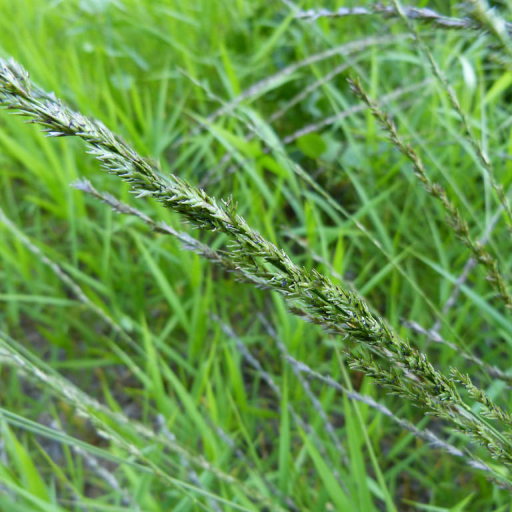
Often called "Slender Woodoats," this native North American grass is the refined, understated cousin of the more common Northern Sea Oats. While many ornamental grasses demand scorching sun, this woodland beauty thrives in the dappled shadows of tall trees and forest edges. It adds a soft, hazy texture to the landscape, swaying gracefully with the slightest breeze like a living fountain of green.
🔍 How to Identify
- 🌾 The Seed Heads: Look for delicate, flattened spikelets that hang from wiry, arching stems. They are much smaller and more "lax" (drooping) than other Chasmanthium species.
- 🍃 The Foliage: Features narrow, bright green leaf blades that form neat, upright clumps, typically reaching 2 to 3 feet in height.
- 🎨 Seasonal Color: The vibrant green foliage transitions into a warm tan or soft copper hue in late autumn, providing beautiful structural interest throughout the winter.
🏡 In Your Garden
- ☁️ The Shade Solution: This is one of the few ornamental grasses that genuinely prefers partial shade. It is a perfect choice for bringing movement and life to those "difficult" darker corners of the yard.
- 💧 Moisture Management: While it is surprisingly drought-tolerant once established, it performs best in soil that retains some moisture. It is a fantastic candidate for rain gardens or the banks of a backyard pond.
- 🌱 Slow and Steady: Unlike some aggressive ornamental grasses, Slender Woodoats is a well-behaved clump-former that won’t take over your entire garden bed, making it ideal for mixed borders.
⚠️ Safety & Toxicity
- 🛡️ Safe Status: Chasmanthium laxum is non-toxic and generally considered safe for households with curious pets and children.
- 🧤 Leaf Edges: While not as sharp as "sawgrass," the edges of the blades can be slightly abrasive. It is always a good idea to wear light gardening gloves when cutting the plant back in the spring.
✨ Fun Fact
The name Chasmanthium is derived from the Greek words for "gaping" and "flower," referring to the way the spikelet scales open. In the wild, its seeds are a vital food source for several species of skipper butterflies!

Detailed Care Instructions
To grow Chasmanthium laxum, also known as river oats, follow these steps:
- Choosing a location: Select a spot in your garden that receives partial shade to full sun throughout the day. River oats prefer moist, well-drained soil but can tolerate a variety of soil types.
- Planting time: The best time to plant river oats is in spring or early fall. Avoid planting during extreme temperatures.
- Preparing the soil: Prepare the soil by removing any weeds or grasses from the area. Loosen the soil and mix in organic matter, such as compost, to improve drainage and provide nutrients.
- Planting the seeds: River oats can be started from seeds. Sow the seeds directly on the soil surface, as they require light to germinate. Rake the seeds gently into the soil, ensuring good seed-to-soil contact. Alternatively, you can start the seeds indoors 6-8 weeks before the last frost and transplant them later.
- Watering: Keep the soil evenly moist after planting. Water regularly, especially during dry periods, to ensure the plants do not dry out. Avoid overwatering, as it can lead to root rot.
- Maintenance: River oats are relatively low maintenance plants. Mulch around the plants to help retain moisture and suppress weeds. Water during dry spells and remove any weeds that may compete with the Chasmanthium laxum.
- Pruning: In late winter or early spring, cut back the foliage to the ground to encourage fresh growth for the coming season. This will help maintain the plant's vigor and prevent any old or damaged foliage from becoming unsightly.
- Division: Over time, river oats can form clumps. You can divide the plants every 2-3 years in early spring to maintain their health and prevent overcrowding.
By following these steps, you should be able to successfully grow Chasmanthium laxum in your garden.

Chasmanthium Laxum is a type of ornamental grass that requires consistent watering to thrive. When watering this plant, it is important to do so slowly and deeply to ensure that the soil is thoroughly moistened. Avoid getting water on the leaves and instead water directly at the base of the plant.
It is recommended to water Chasmanthium Laxum at least once a week, but more frequent watering may be necessary during particularly dry periods. It is also important to monitor the moisture level of the soil, as overwatering can lead to root rot and other issues.
One way to check the moisture level of the soil is to insert a finger about two inches into the soil. If the soil feels dry at this depth, it is time to water the plant. In hot and windy conditions, Chasmanthium Laxum may require additional watering to prevent the soil from drying out too quickly.
Overall, consistent and moderate watering is key to keeping Chasmanthium Laxum healthy and thriving.
To fertilize the Chasmanthium Laxum plant, follow these instructions:
- Start fertilizing in early spring when new growth appears.
- Choose a balanced, slow-release granular fertilizer with an N-P-K ratio of 10-10-10 or similar.
- Sprinkle the fertilizer evenly around the base of the plant, avoiding direct contact with the leaves or stems.
- Use approximately one tablespoon of fertilizer per square foot of plant area.
- Gently work the fertilizer into the top inch of soil using a hand rake or cultivator.
- Water the plant thoroughly after fertilizing to ensure the nutrients penetrate the soil and reach the plant's roots.
- Repeat the fertilization process every 4-6 weeks during the growing season.
- Monitor the plant's response to the fertilizer and adjust the frequency or amount as needed. Avoid over-fertilization, as it may cause the plant to become leggy or flop over.
- Cease fertilization in late summer or early fall to allow the plant to prepare for its dormant period.
- Resume fertilizing the following spring when new growth emerges.
For successfully growing the plant with the scientific name Chasmanthium Laxum, it is best to use a specific type of soil. The most suitable soil for this plant is a well-draining soil that is rich in organic matter. The soil pH should be neutral to slightly acidic, ideally between 6.0 and 7.0. It is important to avoid using heavy soils or soil that becomes waterlogged, as this can lead to root rot and other issues.
A good soil mix for Chasmanthium Laxum should include equal parts of garden soil, peat moss or compost, and coarse sand or perlite. Mixing these components together will enhance the soil’s drainage capacity, fertility and also improve soil structure. Adding a slow-release fertilizer to the soil mix will also boost nutrients in the soil for the Chasmanthium Laxum plant.
Overall, the perfect soil mix for this plant should be well-draining, fertile, and free of heavy soil. By providing this type of soil, the Chasmanthium Laxum plant will have everything it needs to grow healthily and thrive in your garden.
Chasmanthium laxum is a perennial grass native to North America. It is commonly referred to by several different names, such as inland sea oats or wild oats. This grass is known for its attractive appearance and is often cultivated for ornamental purposes.
To propagate Chasmanthium laxum, you can follow these steps:
- Division: One of the easiest methods of propagation is through division. In early spring or late fall, dig up an established clump of the grass using a shovel or garden fork. Carefully separate the clump into smaller sections, ensuring each division has a good amount of roots and foliage. Replant the divisions in prepared soil, making sure to water them adequately.
- Seed collection: Another way to propagate Chasmanthium laxum is through seed collection. In late summer or early fall, when the grasses turn a golden color, gather the seed heads. Cut the seed heads and place them in a paper bag. Allow the seeds to dry completely for a few weeks. Then, separate the seeds from the chaff by gently rubbing them or using a sieve. Store the cleaned seeds in a cool, dry place until you are ready to sow them.
- Sowing seeds: Chasmanthium laxum seeds need a period of stratification, which mimics the natural winter conditions the plant would normally experience. To achieve this, place the cleaned seeds in a plastic bag with some slightly moistened peat moss or vermiculite. Seal the bag and refrigerate for about 4-6 weeks. After the stratification period, sow the seeds in containers or directly in the ground. Press the seeds gently into the soil surface without covering them completely. Keep the soil consistently moist until germination, which usually takes around 2-3 weeks.
- Transplanting seedlings: Once the seedlings are large enough to handle, you can carefully transplant them into their permanent location. Choose a site with well-draining soil and adequate sunlight. Space the seedlings at least 12-18 inches apart to give them room to grow. Water the transplanted seedlings regularly until they become established.
- Care and maintenance: To ensure healthy growth, provide regular watering, especially during dry spells. However, Chasmanthium laxum is quite adaptable to various moisture levels once established. It prefers partial shade to full shade but can tolerate some sun if the soil remains moist. If grown in containers, make sure to choose a container with good drainage. Regularly remove any dead or damaged foliage to maintain the plant's appearance.
By following these propagation methods and giving Chasmanthium laxum suitable growing conditions, you can easily propagate this ornamental grass and enjoy its beauty in your garden.







