Plant Overview
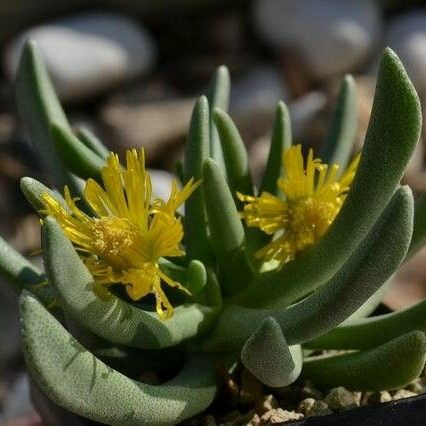
Often called the Sleeve-Leaf Succulent, Cheiridopsis acuminata is a charming "stone plant" hailing from the arid landscapes of South Africa’s Namaqualand. It earns its genus name from the Greek words for "hand-like appearance," referring to the way its pairs of leaves resemble hands or sleeves emerging from one another. This little desert survivor is prized by collectors for its geometric symmetry and its brilliant, sun-loving golden blooms.
🔍 How to Identify
- 🧤 The "Sleeve" Habit: The most striking feature is how new leaf pairs emerge through the dried, papery remains of the previous year’s growth, which acts as a protective "sleeve" against the sun.
- 📐 Leaf Structure: The leaves are fleshy, triangular in cross-section, and usually a soft glaucous green or powdery blue-grey, often tapering to a sharp point (hence acuminata).
- 🌼 Golden Blooms: During its growing season, it produces large, daisy-like flowers that are a vibrant yellow, often appearing much larger than the plant body itself.
🏡 In Your Garden
- 💤 Seasonal Rhythm: Unlike many common houseplants, this is a winter-grower. It thrives when the weather cools down and goes into a deep sleep during the height of summer. Resist the urge to water it when it looks "dried out" in July—that papery skin is its natural sunblock!
- ☀️ Light & Grit: To keep its compact, pebble-like shape, it requires very bright, direct light. If kept in the shade, it will stretch and lose its "sleeve" charm. Use a soil mix that is almost entirely gravel or pumice to mimic its rocky native home.
⚠️ Safety & Toxicity
- ✅ Safe for the Home: Cheiridopsis acuminata is generally considered non-toxic to humans and common household pets.
- 🌵 Handle with Care: While not prickly like a cactus, the leaves are brittle. Over-handling can bruise the powdery "bloom" (the waxy coating) on the leaves, which the plant uses to reflect harsh UV rays.
✨ Fun Fact
In the wild, these plants are masters of disguise! Their blue-grey coloration allows them to blend in perfectly with the quartz fields and limestone pebbles of the Northern Cape, a survival tactic known as "crypsis" to avoid being eaten by thirsty desert animals.

Detailed Care Instructions
Cheiridopsis acuminata is a succulent plant from the Aizoaceae family, native to South Africa. It is known for its attractive, fleshy leaves and sometimes for its showy flowers. Growing this plant can be a rewarding experience if you follow some basic guidelines. Here are steps to ensure successful growth:
1. Soil Requirements
- Well-Draining Soil: Use a cactus or succulent mix. You can also create your own by mixing regular potting soil with sand, perlite, or pumice to enhance drainage.
- pH Level: Slightly acidic to neutral soil (pH 6.0-7.0) is ideal.
2. Lighting
- Sunlight: Cheiridopsis acuminata requires plenty of bright, indirect sunlight. Exposure to direct sunlight for a few hours a day, especially in the morning, is beneficial. However, too much direct afternoon sun can scorch its leaves.
- Indoor Growing: If grown indoors, place the plant near a south or east-facing window where it can receive ample light.
3. Watering
- Frequency: During its active growing season (typically in the cooler months), water the plant sparingly but deeply. Allow the soil to dry out completely between waterings.
- Dormant Period: Reduce watering during the plant’s dormant period (usually in the hot summer months). Overwatering during dormancy can lead to root rot.
- Water Quality: Use water that is low in minerals, such as rainwater or distilled water, to prevent salt buildup in the soil.
4. Temperature and Humidity
- Temperature: Cheiridopsis acuminata prefers cooler temperatures during its growing season, around 50-70°F (10-21°C). During dormancy, it can tolerate warmer temperatures.
- Humidity: This plant prefers dry conditions, similar to its native habitat. Avoid placing it in areas with high humidity.
5. Fertilizing
- Type: Use a balanced, diluted cactus or succulent fertilizer.
- Frequency: Fertilize sparingly, once during the active growing season (fall through spring). Avoid fertilizing during the dormant period.
6. Potting and Repotting
- Containers: Use pots with drainage holes to prevent water accumulation at the bottom.
- Repotting: Repot the plant every 2-3 years, or when it outgrows its current container. Repot during the dormant period to reduce stress on the plant.
7. Propagation
- Seeds: Sow seeds in a well-draining mix, keeping the soil lightly moist until germination.
- Cuttings: Leaf cuttings can also be used for propagation. Allow the cuttings to callous over for a few days before planting in a well-draining soil mix.
8. Pest Management
- Common Pests: Watch out for mealybugs and aphids. Use insecticidal soap or neem oil to treat infestations.
- General Care: Keep the plant healthy by ensuring proper light, water, and soil conditions to reduce susceptibility to pests and diseases.
9. Maintenance
- Pruning: Remove any dead or shriveled leaves to maintain the plant’s appearance and health.
- Observation: Regularly check for signs of overwatering, such as wilting or mushy leaves. Adjust care routines accordingly.
By adhering to these guidelines, you can grow a healthy and vibrant Cheiridopsis acuminata plant. Enjoy the beautiful textures and forms that this unique succulent offers!

Place in a bright room that is sun drenched almost all day. Or directly in a south-facing window.

Cheiridopsis Acuminata, a member of the Aizoaceae family, is a succulent plant that thrives in arid environments. To water this plant correctly and promote healthy growth, follow these steps:
1. Watering Schedule: This plant thrives on a deep but infrequent watering routine. During its active growing season, typically fall to early spring, water the plant thoroughly about every 2-3 weeks. In its dormant period, which is usually summer, reduce watering significantly or stop altogether.
2. Soil and Drainage: Ensure the plant is in well-draining soil, such as a cactus or succulent mix. This prevents water from sitting around the roots and causing rot. A pot with drainage holes is essential to allow excess water to escape.
3. Watering Method: When you water, do so by completely soaking the soil until water comes out of the drainage holes. Allow the top inch of soil to dry out completely before the next watering. Avoid watering the leaves directly to prevent rot.
4. Water Quality: Use room temperature water to avoid shocking the roots. If possible, use rainwater or distilled water, as tap water may contain minerals and chemicals that can build up in the soil over time.
5. Environmental Humidity: This plant prefers low humidity environments, close to its native habitat conditions. Avoid placing it in areas with high humidity or frequent misting.
6. Monitoring: Regularly check the plant for signs of over- or under-watering. Wrinkled, soft, and discolored leaves can indicate water-related stress. Adjust the watering schedule accordingly if you notice such symptoms.
By carefully managing the watering process, you can help ensure that this plant remains vibrant and healthy.
Cheiridopsis acuminata requires careful fertilization to thrive. Here are some instructions for fertilizing this particular plant:
- Timing: Fertilize during the growing season, which typically spans from late fall to early spring. Avoid fertilizing during the summer when the plant may go dormant.
- Type of Fertilizer: Use a balanced, diluted, water-soluble fertilizer with equal proportions of nitrogen, phosphorus, and potassium (e.g., 10-10-10 or 20-20-20) or a cactus-specific fertilizer which often has a lower nitrogen content.
- Dilution: Dilute the fertilizer to half the recommended strength on the package to prevent over-fertilization, which can damage the plant.
- Frequency: Fertilize once a month during the active growing period. Skip fertilizing during the dormant period to prevent nutrient build-up and potential root burn.
- Application:
- First, water the plant thoroughly to ensure the soil is moist.
- Then, apply the diluted fertilizer solution.
- Avoid getting fertilizer directly on the leaves or stems to prevent potential burns.
- First, water the plant thoroughly to ensure the soil is moist.
- Monitoring: Watch the plant’s response to fertilization. Signs of over-fertilization include leaf yellowing or blackening and root rot. If these signs appear, reduce the frequency or dilution of fertilization.
Remember to always follow specific instructions on the fertilizer package and adjust based on the plant’s reaction to find the optimal feeding regime.
Cheiridopsis acuminata thrives best in a well-draining soil mix. The ideal composition includes a blend of coarse sand, perlite, and a small amount of organic matter such as cactus potting soil. This mixture ensures excellent drainage while providing enough nutrients for the plant. It's vital to avoid heavy soils that retain water, as excessive moisture can lead to root rot. The pH level of the soil should be slightly acidic to neutral, around 6.0 to 7.0. Additionally, adding some grit or small pebbles on the surface can help prevent soil compaction and maintain good air circulation around the roots.
Propagating Cheiridopsis acuminata can be done through seeds or cuttings. Here's a detailed guide for both methods:
Seed Propagation
- Seed Collection:
- Wait until the plant has finished flowering and the seed pods have dried on the plant.
- Carefully collect the seeds from the dried pods.
- Wait until the plant has finished flowering and the seed pods have dried on the plant.
- Seed Preparation:
- Clean the seeds by removing any remaining plant material.
- Store them in a cool, dry place if you are not planting them immediately.
- Clean the seeds by removing any remaining plant material.
- Sowing Seeds:
- Fill a seed tray or small pots with a well-draining succulent or cactus mix.
- Moisten the soil lightly.
- Sprinkle the seeds evenly on the soil surface.
- Lightly cover the seeds with a thin layer of soil or sand (not more than a few millimeters).
- Fill a seed tray or small pots with a well-draining succulent or cactus mix.
- Germination Conditions:
- Place the seed tray or pots in a location with bright, indirect light.
- Maintain a consistent temperature around 70-75°F (21-24°C).
- Keep the soil surface moist but not waterlogged. You can use a spray bottle to mist the surface lightly.
- Place the seed tray or pots in a location with bright, indirect light.
- Germination Time:
- Seeds should germinate within 2-3 weeks, although it can sometimes take longer.
- Once seedlings are large enough to handle, they can be transplanted into individual pots.
Cuttings Propagation
- Seeds should germinate within 2-3 weeks, although it can sometimes take longer.
- Selecting Cuttings:
- Choose healthy, mature stems from an established plant.
- Use a sterile, sharp knife or scissors to take cuttings. Cut just below a leaf node.
- Choose healthy, mature stems from an established plant.
- Preparing Cuttings:
- Remove a few leaves from the bottom of the cutting to expose the nodes.
- Allow the cuttings to air dry for a few days to form a callus over the cut ends. This helps prevent rot when they are planted.
- Remove a few leaves from the bottom of the cutting to expose the nodes.
- Planting Cuttings:
- Fill small pots with a well-draining succulent or cactus mix.
- Plant the callused cuttings in the soil, inserting them deep enough to stand upright but not burying them too deeply.
- Firm the soil around the cuttings to ensure they are well-supported.
- Fill small pots with a well-draining succulent or cactus mix.
- Rooting Conditions:
- Place the pots in a bright location with indirect sunlight.
- Water sparingly. Initially, keep the soil just barely moist until roots develop, then reduce watering to let the soil dry out between waterings.
- Place the pots in a bright location with indirect sunlight.
- Rooting Time:
- Root development can take several weeks to a few months.
- Lightly tug on the cuttings after a few weeks to check for resistance, which indicates root formation.
- Root development can take several weeks to a few months.
- Transplanting:
- Once the cuttings have established a good root system, they can be transplanted to their final growing locations, either in the ground or in larger pots.
By following these steps, you can successfully propagate Cheiridopsis acuminata and enjoy new plants in your collection.
- Once the cuttings have established a good root system, they can be transplanted to their final growing locations, either in the ground or in larger pots.







