Plant Overview
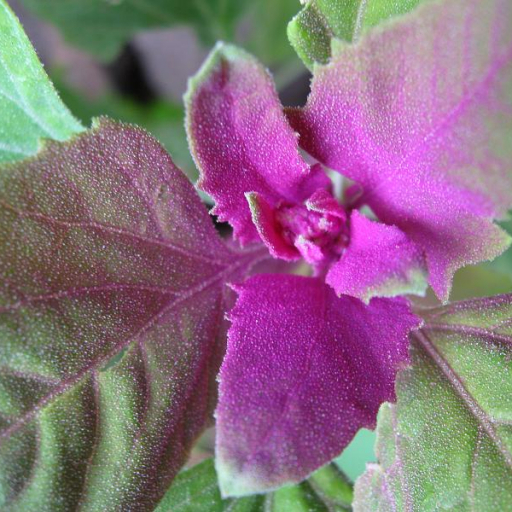
Known as "Magenta Spreen" or "Tree Spinach," this towering annual is a showstopper for both the vegetable patch and the ornamental border. Originating from the Himalayas, it looks as though someone accidentally spilled neon pink glitter over the new growth. It is a hardy, fast-growing giant that provides a continuous harvest of edible greens while adding a psychedelic pop of color to the landscape.
🔍 How to Identify
- ✨ The Neon Dust: The most striking feature is the vibrant, iridescent magenta-purple "meal" or powder that covers the young central leaves and growing tips.
- 📐 Leaf Shape: The leaves are shaped like a goose’s foot (hence the name "Goosefoot"), featuring a triangular, lobed appearance with slightly wavy or serrated edges.
- 📏 Stature: Unlike common garden spinach, this plant is a skyscraper; it can easily reach heights of 6 to 9 feet in a single season, sporting a sturdy, ribbed central stalk.
🏡 In Your Garden
- 🌱 Growth Habit: This is a "plant it and stand back" species. It thrives in well-drained soil with plenty of sun, and because it develops a deep taproot, it is surprisingly drought-tolerant once established.
- 🌬️ Self-Seeding Master: Be aware that a single plant produces thousands of tiny seeds. If you don't prune the flower heads before they dry, you will have a "forest" of Magenta Spreen next year! It is perfect for "wild" or permaculture-style gardens where you want naturalized fillers.
⚠️ Safety & Toxicity
- 🥗 Edible for Humans: The leaves are highly nutritious and taste like a cross between spinach and asparagus. However, like its cousin spinach, it contains oxalates.
- 🍳 Preparation: People with a history of kidney stones should consume it in moderation. Cooking or steaming the leaves significantly reduces the oxalate content.
- 🐾 Pet Caution: While not considered highly toxic, the saponins and oxalates in the plant can cause mild digestive upset or drooling in cats and dogs if consumed in large quantities.
✨ Fun Fact
The beautiful magenta "powder" on the leaves isn't just for show! It is actually composed of microscopic, water-filled hairs called vesicular hairs. These act as tiny shields, reflecting intense sunlight and helping the plant stay hydrated in hot weather.

Detailed Care Instructions
| Humidity | Normal |
| Lighting | Full Sun |
| Toxicity | Poisonous |
| Difficulty | Easy |
| Hibernation | Cold Period |
| Hardiness Zones | 4 - 8 |
To grow Chenopodium giganteum (magenta spreen) plant, follow these steps:
- Climate: Determine if the climate in your area is suitable for growing Chenopodium giganteum. It thrives in areas with cool summers and mild winters. Ideally, the temperature should be around 60-70°F (15-20°C) during the day and slightly cooler at night.
- Soil: Choose a well-draining soil with a pH level between 6.0 and 7.0. The soil should be rich in organic matter and amended with compost to improve fertility. Avoid heavy or compacted soil, as it can hinder root growth.
- Location: Select a location that receives full sun to partial shade. Chenopodium giganteum can tolerate some shade, but it performs best in areas with ample sunlight.
- Planting: Start by preparing the soil by removing any weeds or grass. Sow the seeds directly into the soil, about 1/4 inch (6mm) deep and 12-15 inches (30-38 cm) apart. Alternatively, you can start the seeds indoors in pots and then transplant them once they have grown a few inches tall.
- Watering: Keep the soil moist but not waterlogged, especially during the germination period. Once the plant becomes established, it becomes more drought-tolerant, but regular watering is still necessary during dry spells.
- Fertilization: Apply a balanced fertilizer once every two to three weeks during the growing season to promote healthy growth. Follow the instructions on the fertilizer package for appropriate dosage.
- Mulching: Apply a layer of organic mulch, such as straw or compost, around the base of the plants. This helps conserve moisture, suppress weeds, and improve soil fertility.
- Harvesting: Chenopodium giganteum is an annual plant that can be harvested when the leaves are young and tender, usually within 30-45 days after sowing. Harvesting the leaves regularly will promote continuous growth.
- Pests and diseases: While Chenopodium giganteum is generally resistant to pests and diseases, it may occasionally be affected by caterpillars, aphids, or leaf miners. Monitor the plant regularly and take appropriate measures if you notice any infestations.
- Saving seeds: If you wish to save seeds for future planting, allow some of the plants to flower and go to seed. The seeds can be collected when they have dried on the plant and stored in a cool, dry place for future use.
Remember to always consult local gardening resources or experts for specific tips and advice tailored to your region's conditions.

Place in a bright room that is sun drenched almost all day. Or directly in a south-facing window.

1. Determine the water needs: Before watering the plant, you need to determine its water needs. This will depend on various factors such as the temperature, humidity levels, and soil moisture content. If the soil feels dry to the touch, then it's time to water the plant.
2. Use the right watering technique: When watering Chenopodium Giganteum, you need to use the right technique. Avoid overhead watering as it can lead to fungal diseases. Instead, apply water at the base of the plant, close to the soil surface. This will ensure the roots take up the water effectively.
3. Water deeply: When you water the plant, make sure you apply enough water to reach the roots. Watering deeply will encourage the plant's roots to grow deep into the soil, making the plant more resilient to drought conditions.
4. Avoid waterlogging: Chenopodium Giganteum does not like waterlogged soils. Overwatering can lead to root rot, which can kill the plant. Therefore, make sure you do not apply too much water at once, and ensure the soil drains well.
5. Water regularly: Chenopodium Giganteum is a thirsty plant, so it needs regular watering. However, be careful not to overwater the plant. A good rule of thumb is to water the plant once a week or whenever the soil feels dry to the touch.
6. Mulch the soil: Adding a layer of mulch on the soil surface can help retain moisture, reduce soil erosion, and suppress weed growth. Mulching will also help regulate soil temperature and improve soil structure.
7. Monitor the plant: Finally, make sure you monitor the plant regularly. If you notice any signs of water stress such as wilting, yellowing leaves, or stunted growth, adjust your watering routine accordingly.
To promote optimal growth and development of this plant, it is recommended to provide it with a balanced fertilizer that has equal amounts of nitrogen, phosphorus, and potassium. Fertilize the soil before planting or during the growing period, ensuring adequate nutrient availability throughout the season. Follow the fertilizer label instructions for dosage and frequency of application. Avoid applying excessive fertilizers as it can lead to the accumulation of salts in the soil, which can harm the plant. Water the plant well after each fertilization to help the nutrients reach the roots.
Chenopodium Giganteum thrives best in loamy soil that is well-draining and has a neutral pH between 6.0 and 7.0. The soil should be rich in organic matter and should not be compacted. Sandy or clay soils may be amended to create a looser, more fertile soil structure, and a layer of mulch may be added to help retain moisture. Fertilizer should be applied sparingly, as Chenopodium Giganteum does not require heavy feeding. It is best to avoid using soil that is contaminated with heavy metals, pollutants, or pathogens, as these can be harmful to the plant's health.
To propagate this plant, you will need to prepare a good quality soil mixture with good drainage. Seeds can be collected during the flowering season and then soaked in warm water for a few hours. Sow the seeds in the soil mixture and cover them lightly with soil. Ensure the soil is moist and keep it in a warm, bright spot. Water regularly but do not overwater. Once the seedlings have sprouted and reached a good size, you can transplant them to individual pots with fresh soil or outdoors in a suitable location. You can also propagate this plant by taking stem cuttings in the summertime and rooting them in water or soil.
Common pests of the tree spinach include Aphids, larvae, snails. Make a habit of checking your tree spinach frequently for pests so that any infestations can be caught and managed early.








