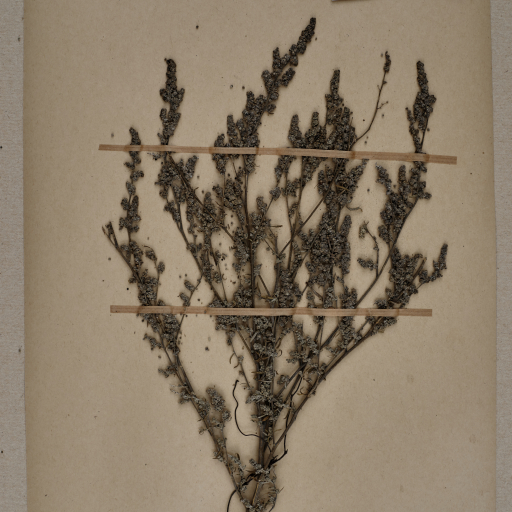
Plant Overview
Often overlooked as a simple roadside weed, Chenopodium pratericola, commonly known as Meadow Goosefoot, is a resilient North American native with a surprising lineage. It is a wild cousin to the world-famous "superfood" quinoa and the common Lamb’s Quarters. Found stretching across sun-drenched prairies and sandy plains, this plant is a master of survival in dry, disturbed soils where other plants might wither.
🔍 How to Identify
- 🌿 Narrow Foliage: Unlike its wider "goosefoot" relatives, its leaves are notably narrow and lance-shaped, often with a single tooth or smooth edges.
- 🧂 Mealy Texture: The stems and the undersides of the leaves are covered in tiny, white, grain-like hairs called "farinose," giving the plant a dusty or flour-dusted appearance.
- 🟢 Inconspicuous Blooms: It produces tiny, petal-less green flower clusters (called glomerules) that sit tightly along the upper stems, eventually turning into small, dark seeds.
🏡 In Your Garden
- 🌱 The Pioneer Spirit: This plant is a "pioneer species," meaning it is often the first to arrive after soil has been disturbed by construction or tilling. It thrives in poor, sandy, or gravelly soil where competition is low.
- ☀️ Sun Seeker: It requires full sun to develop its characteristic silvery sheen. In a garden setting, it can be quite aggressive; if you don't want it spreading, it’s best to remove the flower heads before they drop their thousands of tiny seeds.
⚠️ Safety & Toxicity
- 🐾 Moderate Caution: While many Chenopodium species are technically edible, they contain naturally occurring oxalates (similar to spinach) and saponins.
- 🧪 Nitrate Accumulator: In fertilized soils, the plant can accumulate high levels of nitrates. It is generally best to keep curious pets and livestock from grazing on large quantities, as it can cause digestive upset or more serious issues in high volumes.
✨ Fun Fact
The "dust" on the leaves isn't dirt—it’s actually a sophisticated biological defense! Those tiny white spheres are water-filled hairs that help the plant reflect intense sunlight and reduce water loss, allowing it to stay cool in the heat of the desert or open meadow.

Detailed Care Instructions
To grow Chenopodium pratericola, follow these steps:
- Obtain seeds: Purchase Chenopodium pratericola seeds from a reputable seed supplier or nursery. Make sure to choose fresh and viable seeds for better germination rates.
- Prepare the soil: Chenopodium pratericola prefers well-draining soil with a slightly acidic to neutral pH level. Till the soil to a depth of about 6-8 inches and remove any rocks, weeds, or debris.
- Sow the seeds: Scatter the Chenopodium pratericola seeds evenly over the prepared soil surface. Make sure not to bury them too deep, as they require light to germinate. Gently press the seeds into the soil to ensure good seed-to-soil contact.
- Watering: Water the soil thoroughly after sowing the seeds to provide enough moisture for germination. Keep the soil consistently moist, but not waterlogged. Water whenever the top inch of soil feels dry.
- Light and temperature: Place the container or plant bed in a location that receives full sun or partial shade. Chenopodium pratericola can tolerate a wide range of temperatures, but it generally prefers a warm climate. Maintain temperatures between 60°F to 85°F (15°C to 29°C) during the growing season.
- Thin the seedlings: As the seedlings emerge and grow, thin them out to provide enough space for each plant to develop properly. Space seedlings about 8-12 inches apart, depending on the specific variety and growth habit.
- Fertilization: Chenopodium pratericola is a low-maintenance plant and does not require heavy fertilization. However, you can apply a balanced fertilizer with a ratio of 10-10-10 once or twice during the growing season to provide adequate nutrients.
- Weed control: Regularly inspect the growing area and remove any weeds that compete with Chenopodium pratericola for nutrients and space. Hand-pull or use mulch to suppress weed growth.
- Harvesting: Chenopodium pratericola typically reaches maturity in 60-90 days. Harvest the leaves and young shoots as needed for cooking or medicinal purposes. Avoid over-harvesting, as it can stress the plant and reduce future yields.
- Pests and diseases: Monitor the plants for any signs of pests or diseases. Common pests that may affect Chenopodium pratericola include aphids, caterpillars, and flea beetles. Treat infestations with organic pest control methods or insecticidal soaps if necessary.
By following these steps, you can successfully grow Chenopodium pratericola and enjoy its culinary or medicinal benefits.

Place in a bright room that is sun drenched almost all day. Or directly in a south-facing window.

Chenopodium Pratericola plant should be watered regularly, but not excessively. Overwatering can lead to root rot and other problems. It is important to monitor the soil moisture levels and water the plant when the top inch of soil feels dry to the touch.
When watering, it is best to use a watering can or hose with a gentle flow to avoid damaging the plant. Be sure to water the soil directly around the plant's base rather than getting the leaves or stem wet.
If the plant is grown in a container, be sure to allow the excess water to drain out of the bottom of the pot. This will prevent the roots from sitting in water, which can also cause issues.
In general, Chenopodium Pratericola plant prefers moist but well-drained soil. It is also important to note that different types of soil will hold water differently, so it is important to adjust watering frequency accordingly.
To fertilize this plant, wait until it has established roots and is actively growing. Begin with a balanced fertilizer and apply it every two to three weeks according to the package instructions, being careful not to over-fertilize. During the late summer or early fall, you can switch to a low-nitrogen fertilizer to encourage flower and seed production. Water the plant thoroughly before and after fertilizing.
Chenopodium Pratericola is a plant that grows best in well-drained soil that is fertile, loamy, and has a neutral pH. The soil should not be too acidic since this plant does not tolerate it well. It is recommended that the soil be amended with organic matter such as compost or peat moss to improve its texture and water-holding capacity. Sandy or clay soils should also be amended to improve their drainage and aeration. Mulching around the base of the plant can help retain moisture and control weeds. It is also important to ensure that the soil is free from any debris, rocks, or other foreign materials that could hinder its growth. Proper soil preparation will help ensure healthy growth and optimal yield for Chenopodium Pratericola.
To propagate this plant, you can take stem cuttings from a healthy mother plant. Cut a healthy stem that is about 4-6 inches long, making a clean cut just below a node. Remove any leaves from the bottom half of the stem. Dip the cut end of the stem in rooting hormone, if desired, and then plant it in a container filled with a well-draining potting mix. Water the cutting thoroughly and cover it with a plastic bag to create a humid environment. Keep the cutting in bright, indirect light and make sure the soil stays moist. After a few weeks, you should see roots developing. Once the cutting has a strong root system, you can move it to a larger container or plant it in the ground.








