Plant Overview
Known as the "Square Bamboo," this architectural marvel feels like a plant pulled straight from an ancient scroll. While almost every other bamboo on Earth is cylindrical, this species defies the norm by developing distinct four-sided stems as it matures. Originating from the misty forests of China and Taiwan, it has been a prized ornamental in temple gardens for centuries, often used to create one-of-a-kind walking sticks and furniture.
🔍 How to Identify
- 🔲 The Culm Shape: While young shoots start out relatively round, mature stems (culms) develop a noticeably square cross-section with slightly rounded corners.
- 🎋 Armored Nodes: The rings along the stem (nodes) feature a unique circle of short, blunt root-thorns, giving the plant a textured, "spiny" look near the base.
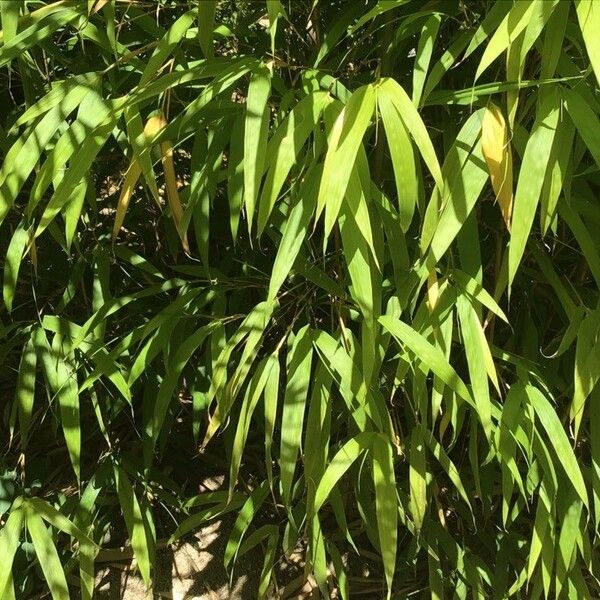
- 🍃 Weeping Foliage: The leaves are long, narrow, and grow in dense, graceful clusters that hang downward, creating a lush, feathery screen.
🏡 In Your Garden
- 🏃 The "Runner" Warning: This is a monopodial (running) bamboo, meaning it spreads via underground rhizomes. To keep it from wandering into your neighbor's yard, it is best grown in large containers or within a dedicated area protected by a deep root barrier.
- ☁️ Shadow Seeker: Unlike many sun-loving bamboos, the Square Bamboo actually prefers dappled shade or partial light. Intense afternoon sun can bleach or scorch its delicate leaves, so find a spot that mimics a forest understory.
- 💧 Humidity Lover: It thrives in moist, well-draining soil and high humidity. If you live in a dry climate, frequent misting or a sheltered spot away from drying winds will help it stay vibrant.
⚠️ Safety & Toxicity
- ✅ Pet Friendly: Square Bamboo is generally considered non-toxic to dogs, cats, and horses, making it a safe choice for a lush, pet-filled backyard.
- 🌵 Mechanical Irritation: While not poisonous, the "thorns" around the nodes can be quite sharp. Use caution and wear sturdy gardening gloves when pruning or thinning out older culms to avoid scratches.
✨ Fun Fact
In traditional Chinese culture, the Square Bamboo was a symbol of "uprightness" and high moral character. Because the square shape is so rare in nature, it was historically reserved for the walking sticks of high-ranking scholars and monks.

Detailed Care Instructions
To grow Chimonobambusa Quadrangularis (also known as square-stem bamboo or square bamboo), follow these steps:
- Choose the right location: Chimonobambusa Quadrangularis prefers partial shade to full sun. Select an area in your garden or an outdoor space that receives at least 4-6 hours of direct sunlight daily.
- Prepare the soil: The soil should be well-draining and fertile. Before planting, amend the soil with organic matter like compost or well-rotted manure to improve its quality.
- Planting: Dig a hole that is slightly wider and deeper than the plant's root ball. Gently remove the plant from its container and place it in the hole. Make sure the top of the root ball is level with the soil surface. Backfill the hole with soil, firming it gently around the plant.
- Watering: Water the plant thoroughly immediately after planting to settle the soil. Afterward, provide regular watering to keep the soil consistently moist. Avoid overwatering or allowing the plant to sit in standing water.
- Mulching: Apply a layer of organic mulch around the plant to help retain moisture and suppress weed growth. Keep the mulch a few inches away from the base of the plant to prevent rotting.
- Pruning: Once established, Chimonobambusa Quadrangularis may require occasional pruning to control its growth. Remove dead, damaged, or crowded canes to maintain its shape and appearance.
- Fertilization: Feed your Chimonobambusa Quadrangularis with a balanced slow-release fertilizer in the spring or early summer. Follow the manufacturer's instructions for the recommended amount and application method.
- Protection: Protect the plant from extreme temperatures, especially in regions with harsh winters. Mulch around the base of the plant in winter to insulate the roots.
- Propagation: Chimonobambusa Quadrangularis can be propagated through division. Dig up an established clump and carefully divide it into smaller sections, ensuring that each section has several stems and roots. Replant the divisions in well-prepared soil.
By following these guidelines, you can successfully grow Chimonobambusa Quadrangularis and enjoy the unique beauty of this bamboo species.

Place in a window with dappled sun or a spot in the middle of a room. Or directly in a window facing west or east.

To water this plant, it is important to consider the moisture level of the soil. Check the soil regularly to ensure that it is moist but not waterlogged. Use a watering can or hose to water the base of the plant, avoiding getting water on the leaves as this can lead to fungal diseases. During hot and dry periods, the plant may need to be watered more frequently to prevent dehydration. It is also important to ensure good drainage to prevent waterlogging.
To fertilize the plant, use a balanced liquid or granular fertilizer during the growing season, which is usually in the spring and summer months. Apply the fertilizer according to the instructions on the package and avoid over-fertilizing as it can cause damage to the plant. It is also recommended to water the plant before fertilizing to prevent burning the roots.
Chimonobambusa Quadrangularis is a plant that requires well-draining soil, which is rich in organic matter. The ideal pH range of soil for this plant is 5.5 to 7.5. It should not be planted in heavy clay soil as it can lead to root rot. The soil needs to be able to retain moisture, but not be waterlogged, as it can lead to fungal diseases.
A recommended soil mix for this plant is a combination of potting soil, perlite, and peat moss. This mix allows for good drainage while retaining moisture and nutrients. Before planting, it is also recommended to amend the soil with compost to increase its fertility.
It is important to note that Chimonobambusa Quadrangularis is a fast-growing plant, and may require frequent repotting or the addition of fresh soil to its container to ensure it has enough nutrients.
Chimonobambusa Quadrangularis plant can be propagated through division of rhizomes or stem cuttings. To propagate through rhizomes, select a healthy parent plant and carefully dig out a portion of the root system. Cut the rhizome into smaller pieces with a sharp, sterile knife, ensuring each piece has at least one healthy shoot and some roots attached. Plant the sections in a well-draining soil mix, keeping them moist until they establish themselves.
For stem cutting propagation, select a healthy stem and cut a section approximately 6 inches long. Remove any leaves from the bottom half of the stem, leaving only a few at the top. Dip the cut end into a rooting hormone and plant the stem in a pot filled with a moistened soil mix, making sure it is securely anchored. Cover the pot with a clear plastic bag to create a mini greenhouse. Keep the cutting in a bright, warm location and water when the soil becomes dry. The cutting should develop roots in a few weeks, at which point the plastic bag can be removed and the plant can be gradually acclimated to its new environment.








