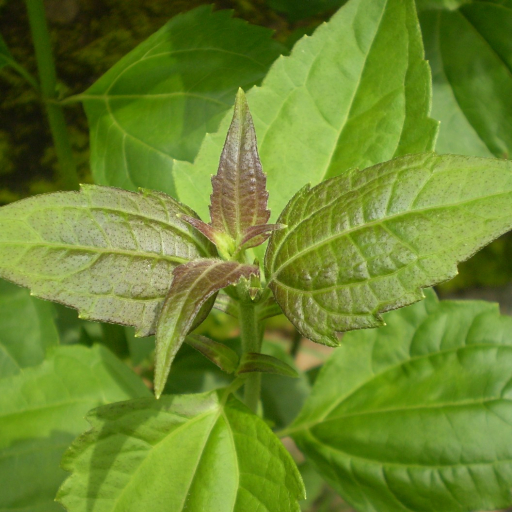
Plant Overview
Often called "Siam Weed" or the more ominous "Devil Weed," Chromolaena odorata is a master of survival and colonization. Originally from the tropical Americas, this fast-growing shrub has traveled across the globe, earning a reputation for its ability to quickly take over disturbed landscapes. While it produces soft, cloud-like lavender flowers, it is known to gardeners and ecologists alike as a fierce competitor that thrives where other plants struggle.
🔍 How to Identify
- 🍃 The Triple Vein: The most iconic feature is the leaf pattern; each triangular or egg-shaped leaf has three very distinct veins branching out from the base.
- 🌸 Fuzzy Flower Heads: It produces dense clusters of small, tubular flowers that look like tiny, pale lilac or white brushes at the ends of the branches.
- 🎋 Scrambling Habit: The plant doesn't always stand tall on its own; it often "scrambles" over other vegetation, using its woody base and soft upper stems to reach for the sunlight.
🏡 In Your Garden
- ☀️ Disturbed Soil Specialist: You will rarely find this in a deep, dark forest. It loves "edge" habitats—roadsides, cleared garden beds, and areas where the soil has been recently moved and the sun is bright.
- 💨 Wind-Borne Travelers: If you have one in your yard, you will soon have many. A single plant can produce thousands of tiny, feathered seeds that use the wind to parachute into neighboring flower beds.
⚠️ Safety & Toxicity
- 🐾 Livestock Risk: The plant is considered toxic to cattle and horses. It contains high levels of nitrates and alkaloids that can cause respiratory distress or liver issues if grazed upon heavily.
- 🧴 Skin Sensitivity: Handling the foliage with bare skin can cause "contact dermatitis" (red, itchy rashes) in sensitive individuals. It is always best to wear gloves when weeding this species.
✨ Fun Fact
Despite its "weed" status, many cultures call it the "First Aid Plant." In traditional medicine, the leaves are crushed into a paste and applied to minor wounds; it contains unique compounds that help blood clot almost instantly and prevent infection.

Detailed Care Instructions
To grow Chromolaena odorata, also known as Siam weed or Christmas bush, follow these steps:
- Obtain seeds or stem cuttings: Chromolaena odorata can be propagated from seeds or stem cuttings. If using seeds, collect mature seeds from existing plants or purchase them from a reputable source. For stem cuttings, take 6-8 inch cuttings from a mature plant, making sure they have at least two sets of leaves.
- Prepare the growing medium: Prepare a well-draining potting mix using equal parts of peat moss, perlite, and vermiculite. This will provide a suitable environment for the plant's growth.
- Plant the seeds/stem cuttings: If using seeds, sow them on the surface of the potting mix and lightly press them in. Water the soil lightly. For stem cuttings, dip the cut end in a rooting hormone (optional) and insert it into the potting mix. Gently firm the soil around the cutting.
- Provide suitable conditions: Place the pot in an area that receives bright, indirect sunlight. Chromolaena odorata thrives in warm temperatures between 70-85°F (21-29°C). Provide consistent moisture, but avoid overwatering as it can lead to root rot. Allow the top inch of soil to dry between waterings.
- Maintain humidity: Chromolaena odorata prefers high humidity levels. You can increase humidity by placing a humidity tray filled with water near the plant or by using a room humidifier.
- Fertilize regularly: During the growing season, which typically occurs from spring to fall, fertilize the plant every 4-6 weeks using a balanced liquid fertilizer. Follow the instructions on the fertilizer packaging for the correct dosage.
- Prune and shape: To maintain a compact and bushy appearance, regularly prune the plant by pinching off the tips of the branches. This will encourage branching and create a denser plant.
- Repot if necessary: If your Chromolaena odorata outgrows its current pot, you can repot it into a larger container using fresh potting mix. Repotting should be done in spring when the plant is actively growing.
- Protect from pests: Watch out for common pests like whiteflies, aphids, and mealybugs. If you notice any infestation, treat with a suitable insecticidal soap or neem oil according to the instructions on the product.
- Enjoy your plant: Chromolaena odorata is known for its attractive foliage and small white, fluffy flowers. Once established, it requires minimal maintenance and can add beauty to your garden or indoor space.

Place in a window with dappled sun or a spot in the middle of a room. Or directly in a window facing west or east.

1. Check the soil moisture: Before watering the plant, always check the moisture level of the soil. Insert your finger into the soil up to the second knuckle. If the soil feels dry, it's time to water.
2. Water from the base: Pour water at the base of the plant, avoiding getting the leaves wet. Watering from the base ensures that the water reaches the roots and is absorbed properly.
3. Avoid overwatering: Chromolaena Odorata plants prefer slightly moist soil, so make sure not to overwater it. Overwatering can lead to root rot and other problems. Water the plant only when the soil is dry to the touch.
4. Water in the morning: It's best to water the plant in the morning as the sun helps to dry the excess moisture from the leaves. Watering in the evening can lead to fungus and other diseases.
5. Use room temperature water: Use room temperature water to water the plant. Avoid using cold water, as it can shock the roots.
6. Consider using a drip system: If you have several Chromolaena Odorata plants, consider using a drip system. This provides a slow, steady supply of water to the plants, ensuring that they are not overwatered or underwatered.
7. Mulch the soil: Mulching the soil around the plant helps to retain moisture and reduces the need for frequent watering.
Remember, proper watering of Chromolaena Odorata is crucial for its healthy growth and overall well-being.
To fertilize this plant, begin by selecting an appropriate fertilizer that is balanced in its nutrient levels. Dilute the fertilizer according to the package instructions, then apply it to the soil around the plant, taking care not to get any on the leaves or stems. Repeat this process once every four to six weeks during the growing season, which typically runs from spring through fall. It is important to monitor the plant for any signs of over-fertilization, such as burnt or yellowed foliage, and adjust the timing and amount of fertilizer accordingly. In general, it is better to err on the side of under-fertilization, as too much fertilizer can harm the plant or even kill it.
The best type of soil to use for the Chromolaena Odorata plant would be a well-draining soil that has a slightly acidic pH level. The soil should be rich in organic matter and nutrients to facilitate healthy growth and development. Adding compost or other organic matter to the soil is recommended, as it helps to improve soil structure, retain moisture, and promote healthy root development. The plant prefers moist soil, therefore, regular watering is required, and it is crucial to avoid waterlogging the soil. Keeping the soil slightly moist is ideal, and it should be well-draining to prevent root rot. Using a slow-release fertiliser can provide the necessary nutrients required by the Chromolaena Odorata plant. Additionally, mulching with organic matter can help to retain moisture in the soil and reduce weed growth around the plant.
Chromolaena Odorata plant can be propagated through several methods such as stem cuttings, division, and layering.
To propagate Chromolaena Odorata plant using stem cuttings, select a healthy stem that has no signs of disease or damage. Cut the stem using a sharp, sterilized pruning shear at a 45-degree angle, just below a leaf node. Remove the lower leaves from the cutting, leaving just one or two at the top. Dip the cut end of the stem into rooting hormone powder and plant it into a well-draining soil mix. Water the cutting lightly, cover it with a clear plastic bag, and place it in indirect light. Keep the soil moist and monitor the cutting for any signs of new growth, such as new leaves or roots.
To propagate Chromolaena Odorata plant using division, carefully dig up the main plant and separate the clumps into smaller sections with roots attached. Plant each section in a well-draining soil mix and water it lightly. Place the newly divided plants in a shaded area for a few days and gradually move them to a brighter location over time.
To propagate Chromolaena Odorata plant using layering, select a healthy stem that is close to the ground. Bend the stem and secure it into the soil using a wire or a small stake. Make a small wound on the bent section of the stem, dust it with rooting hormone powder, and cover it with soil. After a few weeks, new roots should emerge from the wound. Once the newly rooted stem has developed a strong root system, cut it off from the main plant and transplant it into a well-draining soil mix.








