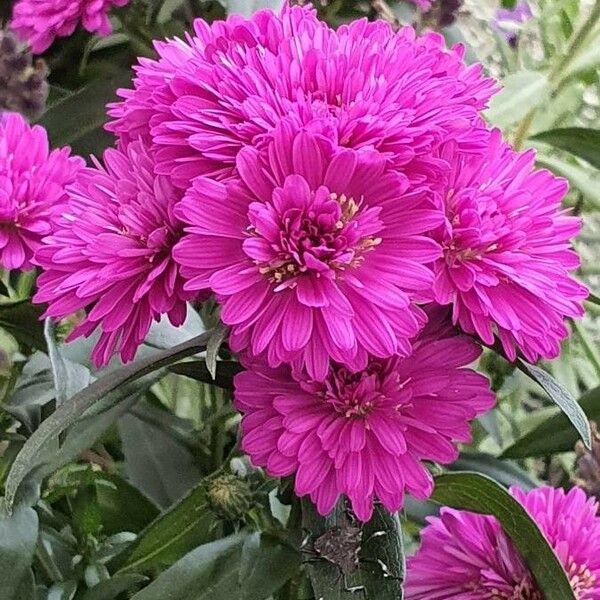
Plant Overview
Often called "Mums" or the "Queen of Fall Flowers," the Chrysanthemum × Grandiflorum is the crowning jewel of the autumn landscape. Originally cultivated in China as a medicinal herb over 2,500 years ago, it has evolved into a symbol of longevity and royalty across East Asia. Today, these bushy beauties are beloved for their ability to burst into a firework display of color just as other garden plants are fading for the winter.
🔍 How to Identify
- 🌸 Flower Forms: These plants are master shape-shifters; blooms can appear as tight "pompons," feathery "spiders," or classic daisy-like discs with layers of dense, overlapping petals.
- 🍃 Lobed Foliage: The leaves are distinctively dark green and deeply lobed or "toothed," often emitting a strong, herbal, and slightly spicy scent when crushed.
- 🌿 Growth Habit: They typically grow in a tidy, rounded mound, creating a "cushion" effect that is perfect for borders and decorative porch pots.
🏡 In Your Garden
- ✂️ The Art of Pinching: To get that iconic ball-shaped explosion of flowers, "pinching" is key. By snapping off the growing tips in early summer, you force the plant to branch out rather than grow tall and leggy.
- 💧 Winter Drainage: While they love consistent moisture, Mums often fail to return in the spring because of "wet feet." If their roots sit in heavy, soggy soil during a winter freeze, the ice crystals can jump-start root rot.
- 🌘 Short-Day Sensitivities: These are "photoperiodic" plants, meaning they only start budding when the nights get longer. Avoid planting them near bright streetlights or porch lamps, as the artificial light can "trick" them into never blooming.
⚠️ Safety & Toxicity
- 🐾 Pet Warning: Chrysanthemums are considered toxic to dogs, cats, and horses. They contain pyrethrins, which are natural insecticides.
- 🤢 Symptoms: If ingested, pets may experience drooling, vomiting, or a lack of coordination. Gardeners with sensitive skin should also wear gloves, as the sap can cause mild contact dermatitis (skin rash).
✨ Fun Fact
The Chrysanthemum is the official symbol of the Emperor of Japan. The Japanese monarchy is even referred to as the "Chrysanthemum Throne," and the flower appears on the national seal and passports to this day!

Detailed Care Instructions
To grow Chrysanthemum × Grandiflorum, also known as garden chrysanthemums or florist's chrysanthemums, you can follow these steps:
- Choose a suitable location: Chrysanthemums require full sunlight for at least six hours a day, so select a spot in your garden that receives ample direct sunlight. The soil should be well-draining to prevent root rot.
- Prepare the soil: Before planting, prepare the soil by removing any weeds, rocks, or debris. Loosen the soil using a garden fork or tiller to ensure good drainage. Incorporate organic matter like compost or well-rotted manure to improve soil fertility.
- Obtain young plants or seeds: You can grow chrysanthemums by either purchasing young plants from a nursery or starting them from seeds. If using seeds, start them indoors 6-8 weeks before the last frost date in your area.
- Planting: Dig a hole slightly wider and deeper than the pot or root ball of your chrysanthemum plant. Carefully remove the plant from its container, gently loosen the roots, and place it in the hole. Backfill the hole with soil, firming it gently to eliminate air pockets. Space the plants 12-24 inches apart, depending on the variety.
- Watering: After planting, water the chrysanthemum thoroughly and keep the soil consistently moist but not waterlogged. Deep watering once or twice a week, depending on weather conditions, will promote healthy root growth.
- Fertilizing: Chrysanthemums benefit from regular feeding. Apply a balanced, slow-release fertilizer according to package instructions, usually in spring and mid-summer. Avoid excessive nitrogen fertilizers, as they can promote leafy growth at the expense of blooms.
- Pinching and Disbudding: To encourage bushy growth and more flowers, pinch or prune the top 1-2 inches of the plant when it reaches a height of 6-8 inches. Regularly remove any side buds, leaving only the terminal buds, as this will result in larger flowers.
- Pest and Disease Control: Monitor your plants for pests such as aphids, spider mites, or fungal diseases like powdery mildew. Promptly treat any infestations or diseases using organic or chemical products recommended for chrysanthemums.
- Support: Depending on the variety and size of the flowers, you may need to provide support using stakes or a cage to prevent the plants from drooping or breaking.
- Overwintering: Chrysanthemum × Grandiflorum plants are generally hardy, but their ability to survive winter depends on your climate. In colder regions, mulch around the plants to insulate the roots and protect them from freezing temperatures. In warmer regions, trim back the foliage after the first frost and cover the plants with a layer of mulch to promote dormancy.
By following these steps and providing proper care, you can successfully grow Chrysanthemum × Grandiflorum plants and enjoy their beautiful flowers.
To water this particular plant, it is important to first check the soil moisture level by inserting a finger about an inch deep into the soil to see if it feels dry to the touch. If the soil is dry, water the plant thoroughly and allow excess water to drain out of the bottom of the pot.
It is best to water this plant in the morning or early evening to avoid evaporation due to the heat of the day. Make sure to water at the base of the plant and avoid getting water on the leaves, as this can lead to fungal growth.
During periods of hot and dry weather, it may be necessary to water this plant more frequently to prevent the soil from drying out completely. However, it is important not to overwater the plant as this can lead to root rot.
In general, this plant prefers evenly moist soil, but it can also tolerate short periods of drought. With proper watering and care, this plant should thrive and produce beautiful blooms.
For best results, fertilize this plant with a balanced fertilizer (such as a 10-10-10 or 20-20-20) once a month during the growing season (spring and summer). Be sure to follow the instructions on the fertilizer package and water well after application. Avoid fertilizing in the fall and winter when the plant is not actively growing. Over-fertilization can lead to excessive foliage growth and reduced flower production.
The ideal soil type for Chrysanthemum × Grandiflorum is loose, well-draining, and fertile. It is recommended to use a soil mix that contains a combination of organic matter, such as compost, peat, and aged manure, and mineral materials like sand and perlite in order to ensure proper drainage and aeration. The soil pH should be neutral to slightly acidic, with a range between 6.0 and 7.0.
The soil should be carefully prepared before planting, by removing any debris or weeds and adding any necessary fertilizers or amendments to improve soil structure and fertility. It is also important to ensure that the soil is well-watered prior to planting, and that the plants are given regular watering and fertilization throughout the growing season to promote healthy growth and vibrant blooms.
Overall, the right soil mix will provide the necessary nutrients and drainage for Chrysanthemum × Grandiflorum to grow and thrive, producing beautiful flowers that will make a stunning addition to any garden or landscape.
There are a few ways to propagate this plant. One method is to take stem cuttings during the spring or early summer. Cut a section of stem that includes two to three pairs of leaves and remove the lower set of leaves. Dip the cut end into rooting hormone and plant the cutting in a pot filled with moist soil mix. Keep the soil evenly moist and place the pot in a warm, bright area. The cutting should root in about four to six weeks.
Another method is to divide the plant in the spring or fall. Dig up the plant and gently pull the roots apart into smaller sections. Replant each section in a new pot or in the ground, making sure to keep the soil moist.
A third way to propagate this plant is by layering. Bury a stem of the plant underground and weight it down with a rock or other heavy object. The buried section of the stem should develop roots within a few weeks. Once roots have formed, cut the new plant away from the main stem and replant it.








