Plant Overview
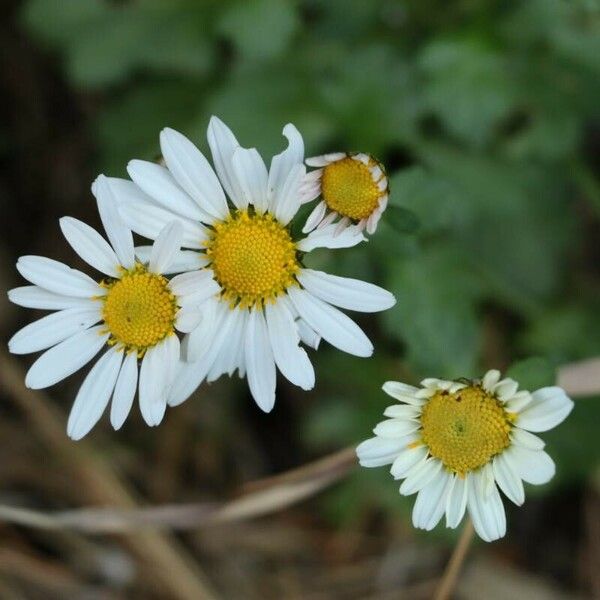
Known as the "Dragon's Wild Chrysanthemum" (Ryuno-kiku) in its native Japan, Chrysanthemum makinoi is a resilient wild daisy that brings a burst of snowy white to the landscape just as other flowers begin to fade. It is cherished for its elegant simplicity and its ability to thrive on rocky slopes and hillsides where more delicate flowers would fail. In traditional Japanese gardening, it is celebrated as a symbol of the late autumn season.
🔍 How to Identify
- 🌼 Petal Structure: Features 15 to 20 crisp white "ray" petals surrounding a bright golden-yellow central disc, resembling a classic woodland daisy.
- 🍃 Lobed Foliage: The leaves are deeply lobed (usually into 3 or 5 sections) with a grayish-green tint and a soft, felt-like texture on the underside.
- 👃 Spicy Fragrance: Unlike many scentless modern hybrids, both the leaves and flowers of this species release a sharp, spicy herbal aroma when touched or crushed.
🏡 In Your Garden
- ⛰️ Wild Resilience: Because this is a true wild species rather than a fragile greenhouse hybrid, it is exceptionally hardy and actually prefers "lean" soil that isn't overly saturated with fertilizers.
- 💧 Drainage Focus: In nature, this plant clings to steep inclines; in a garden setting, it will quickly suffer from root rot if the soil remains soggy during the winter. It is best suited for rock gardens or raised beds.
- ✂️ Late Season Bloom: It is a "short-day" plant, meaning it only begins to bud when the days get shorter, providing essential late-season nectar for pollinators when most other food sources are gone.
⚠️ Safety & Toxicity
- 🐾 Toxic to Pets: This plant contains pyrethrins and sesquiterpene lactones, which are toxic to dogs, cats, and horses. Ingestion can cause vomiting, diarrhea, and a lack of coordination.
- 🧤 Skin Sensitivity: Contact with the sap or crushed leaves can cause "mums dermatitis" (an itchy red rash) in sensitive individuals. It is wise to wear gloves when pruning or dividing the clumps.
✨ Fun Fact
This plant was named in honor of Tomitaro Makino, known as the "Father of Japanese Botany." He was a self-taught scientist who identified and named over 2,500 plants during his lifetime, often traveling to remote mountains to find them.

Detailed Care Instructions







