Plant Overview
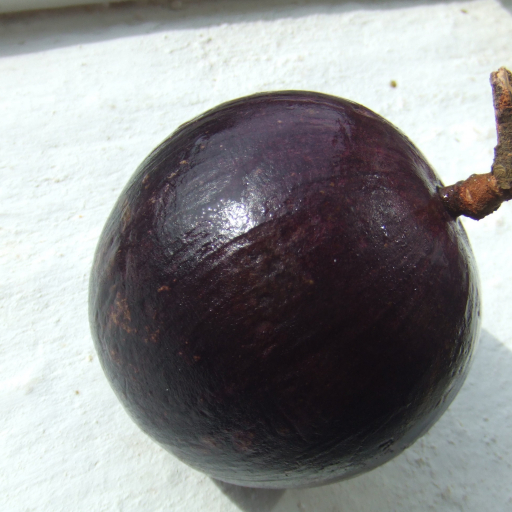
Known affectionately as the "Star Apple" or "Caimito," this tropical beauty is as much an ornamental masterpiece as it is an orchard favorite. Its most striking feature is its foliage—shimmering with a golden-bronze hue that seems to glow when caught by the wind. When the fruit is sliced crosswise, it reveals a perfect, milky-white star embedded in the pulp, giving the plant its celestial nickname.
🔍 How to Identify
- 🍃 Two-Toned Foliage: The leaves are a deep, glossy emerald on top, but the undersides are covered in a silky, golden-brown "felt" that creates a bi-color shimmering effect.
- ⭐ The Celestial Fruit: The round, leathery fruit (either purple or green) contains a sweet, jelly-like pulp that forms a distinct 8-point star pattern when cut horizontally.
- 🥛 Milky Latex: If you snap a leaf or a stem, the plant exudes a thick, white, gummy sap—the reason it is often called "Milk Fruit" in many cultures.
🏡 In Your Garden
- 🌬️ Wind Sensitivity: While it grows into a large, sturdy shade tree, the wood can be somewhat brittle. It is best to plant it in a location protected from heavy gusts to avoid losing branches during storms.
- ⏳ Patience is Key: This isn't a "fast-food" fruit tree. It takes several years to mature and produce its first harvest, but once it starts, it becomes a prolific producer that requires very little maintenance other than consistent tropical warmth.
⚠️ Safety & Toxicity
- 🍎 Safe for Consumption: The ripe fruit pulp is perfectly safe and delicious for humans, though the skin is bitter and filled with sticky latex, so it should be scooped out rather than bitten into.
- 🐾 Pet & Child Safety: The seeds are hard, glossy, and contain a small hook-like point; they should be kept away from small children and pets to avoid choking or internal irritation. The milky sap may cause mild skin irritation for those with sensitive skin.
✨ Fun Fact
The genus name Chrysophyllum literally translates from Greek as "Gold Leaf," a tribute to the tree's stunning metallic-looking leaves that can be seen from far away when the breeze flips them over.

Detailed Care Instructions
To grow a Chrysophyllum cainito plant, also known as the star apple or caimito, follow these steps:
- Location: Select a suitable location for your plant. Chrysophyllum cainito prefers a sunny spot in your garden or a place with partial shade.
- Soil: Choose a well-draining soil that is rich in organic matter. The pH level should be slightly acidic, around 6.0 to 7.0.
- Planting: If you have seeds, you can germinate them before planting by placing them in moist paper towels for a week. Once germinated, plant the seeds about an inch deep in the soil. If you have access to a young sapling, you can also start with that.
- Watering: While the plant is establishing its roots, water it regularly to keep the soil moist but not waterlogged. Once established, it is relatively drought-tolerant, but regular watering during dry periods is beneficial.
- Fertilizer: Apply a balanced slow-release fertilizer during the growing season to promote healthy growth and fruit production. Follow the instructions on the fertilizer package for specific guidance.
- Pruning: Pruning the Chrysophyllum cainito plant will help shape it and encourage new growth. Remove any dead, damaged, or diseased branches. Prune regularly to remove overcrowded or crossing branches, which can improve airflow and minimize disease risk.
- Mulching: Apply a layer of organic mulch around the base of the plant to help retain moisture, suppress weeds, and regulate soil temperature.
- Pests and diseases: Monitor the plant regularly for pests such as mealybugs, scale insects, or aphids. If infestations occur, treat with appropriate insecticides or use organic pest control methods. Preventive measures like maintaining good hygiene and proper watering practices can also help minimize diseases.
- Pollination: Chrysophyllum cainito trees are generally self-fertile, but cross-pollination can enhance fruit production. If possible, plant more than one tree to increase the chances of pollination.
- Harvesting: The fruits of Chrysophyllum cainito typically take around 3-5 years to start producing. Harvest the fruits when they have fully ripened and developed their characteristic purple or green coloration. The fruit should be slightly soft when gently squeezed.
Remember to consult local gardening guides or experts to ensure you are following the specific needs and recommendations for your region.

Place in a bright room that is sun drenched almost all day. Or directly in a south-facing window.

To water this plant, one should ensure that the soil is moist but not waterlogged. This can be achieved through regular watering, but it is important to allow the top layer of soil to dry out slightly before watering again. It is also essential to avoid getting water on the leaves, as this can lead to fungal diseases. One can water this plant from the base rather than from above to prevent water from spilling over the leaves. Additionally, it is recommendable to provide drainage holes in the pot or planting area to help prevent root rot.
To fertilize this plant, use a balanced fertilizer with equal amounts of nitrogen, phosphorus, and potassium. Apply the fertilizer during the growing season, which is typically in the spring and summer, every four to six weeks. You can also create a natural fertilizer using compost or well-rotted manure. Apply the natural fertilizer once a year in the spring. When fertilizing, be careful not to over-fertilize, as this can lead to leaf burn or damage to the plant. Always follow the instructions on the fertilizer package or consult with a gardening professional for specific recommendations.
When planting this particular plant, it is recommended to use a well-draining soil that is rich in organic matter. The pH level of the soil should be slightly acidic, ranging from 5.5 to 6.5. A mixture of sandy loam soil, peat moss, and perlite is often used for optimal growth and health of the plant. It is important to avoid using heavy clay soil or soils that are prone to water-logging, as this can lead to root rot and other issues. Additionally, it is important to ensure that the soil is kept consistently moist but not waterlogged, as this can also cause problems for the plant. Regular fertilization with a balanced, slow-release fertilizer can help promote healthy growth and flowering.
To propagate this plant, start by taking a cutting from a healthy and mature plant. The cutting should be about 6 inches long and taken from a stem that is not too woody or too soft. Make a clean cut just below a node with a sharp, sterile tool.
Next, remove the leaves from the bottom half of the cutting, leaving only a few leaves at the top. This will allow the plant to focus its energy on growing roots rather than maintaining leaves.
Dip the bottom of the cutting in rooting hormone and plant it in a well-draining soil mix. Water the soil well and cover the cutting with a plastic bag or dome to create a humid environment.
Place the cutting in a warm and bright spot, but avoid direct sunlight. Keep the soil moist but not soggy, and mist the leaves periodically to maintain humidity.
After a few weeks, the cutting should start to develop roots. Keep an eye on the soil moisture and remove the plastic covering once the plant starts to establish itself.
Once the roots have grown sufficiently, the new plant can be potted into its own container with fresh soil and treated as a mature plant.








