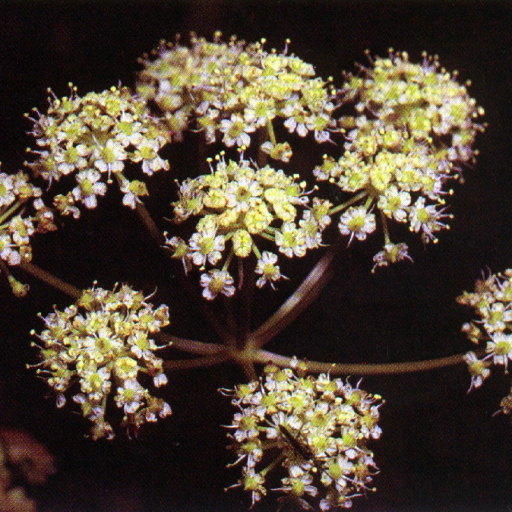
Plant Overview
Often called the Western Water Hemlock, this tall, elegant member of the carrot family hides a dark secret: it is widely considered the most violently toxic plant in North America. Found in the damp wetlands of the West, its lacy, white flower crowns often tempt hikers and foragers, but even a tiny taste can be fatal.
🔍 How to Identify
- 🌿 The Leaf Veins: A key botanical giveaway—the veins on the serrated leaves run to the notches between the leaf teeth, rather than to the tips of the teeth themselves.
- 🌸 Umbrella Blooms: It produces large, flat-topped clusters of tiny white flowers, known as "umbels," which give it a delicate, lace-like appearance.
- 🌱 Chambered Base: If the base of the stem or the root is cut vertically, it reveals distinct horizontal chambers that often ooze a yellowish, oily sap.
🌲 Habitat & Ecology
- 💧 Wetland Specialist: You won’t find this plant in dry soil; it thrives in "wet feet" environments like marshes, muddy stream banks, and irrigation ditches.
- 🦆 Ecological Role: While deadly to mammals, some birds and insects are unaffected; certain butterfly larvae even use the plant as a host, though it remains a major hazard for grazing livestock.
⚠️ Safety & Toxicity
- 🚫 DEADLY TOXIC: Warning: This plant contains cicutoxin, a potent neurotoxin. Ingestion of any part—especially the root—causes violent seizures and can lead to death within hours.
- 🐾 Pets & Livestock: It is exceptionally dangerous for dogs that like to dig and cattle that graze near water. Even skin contact with the sap can cause irritation in sensitive individuals, though the primary danger is internal.
✨ Fun Fact
Western Water Hemlock is so potent that historical records suggest North American indigenous groups sometimes used the concentrated root sap on the tips of arrows for hunting or in tribal warfare.

Detailed Care Instructions
To grow Cicuta douglasii, also known as western water hemlock, follow these steps:
- Choose a suitable location: Cicuta douglasii thrives in moist habitats like meadows, wetlands, and streambanks. Select a spot with full to partial sun and a constantly moist or wet soil.
- Collect seeds or seedlings: Look for Cicuta douglasii seeds in reputable nurseries or order them online. Alternatively, you can collect seeds or seedlings from existing plants, but exercise caution as this plant is highly toxic and dangerous if ingested.
- Prepare the soil: Cicuta douglasii prefers rich, loamy soil with good drainage. Remove any weeds or grass from the planting area and loosen the soil using a garden fork or tiller. Incorporate organic matter like compost or well-rotted manure to improve soil fertility and moisture retention.
- Sow seeds or transplant seedlings: If using seeds, sow them directly into the prepared soil according to the packet instructions. If using seedlings, dig holes that are slightly larger than the root balls and place the plants into the holes, gently firming the soil around them.
- Water regularly: Ensure that the soil remains consistently moist. Water your Cicuta douglasii plant regularly, especially during dry periods, to mimic its natural wetland or streambank habitat. Use a soaker hose or drip irrigation system to keep the root zone consistently hydrated.
- Mulch around the plants: Apply a layer of organic mulch, such as wood chips or straw, around the base of the plants to help retain soil moisture and suppress weed growth. Keep the mulch a few inches away from the stems to prevent rotting.
- Provide adequate space: Cicuta douglasii plants can grow up to 6 feet tall and spread about 3 feet wide. Make sure to provide enough space between plants to allow for proper air circulation and prevent overcrowding.
- Monitor for pests and diseases: Keep an eye out for common garden pests like aphids, leaf miners, or caterpillars, and take appropriate measures to control them if necessary. Watch for signs of diseases like powdery mildew or leaf spot and address them promptly with organic treatments.
It's important to note that Cicuta douglasii contains highly poisonous compounds, so exercise extreme caution when handling or working around these plants. It's advisable to plant them in areas inaccessible to children, pets, or livestock.

Place in a bright room that is sun drenched almost all day. Or directly in a south-facing window.

Cicuta Douglasii is a perennial plant species that requires specific watering techniques to ensure its healthy growth. Here is a detailed explanation of how to water this plant:
1. Observe the soil: Before watering, monitor the moisture level of the soil around the Cicuta Douglasii plant. Insert your finger about one inch deep into the soil near the root system to check for moisture. If the soil feels dry, it is an indication that watering is needed.
2. Watering frequency: Cicuta Douglasii plants should be watered regularly during the first few weeks after planting to establish strong roots. After this initial period, the frequency of watering can be reduced. It is generally recommended to water once every seven to ten days, depending on the climate and the moisture needs of the plant.
3. Watering depth: When watering, it is crucial to provide enough moisture to reach the plant's root system. Water the soil around the base of the plant rather than directly on the leaves or flowers. The water should penetrate at least six to eight inches deep into the soil to ensure proper hydration.
4. Time of day: Watering the Cicuta Douglasii plant in the early morning or late afternoon is ideal. This allows the plant to absorb the moisture before the heat of the day, preventing excess evaporation. Avoid watering during the hottest part of the day, as this may cause the water to evaporate too quickly, depriving the plant of necessary hydration.
5. Slow and deep watering: To ensure thorough hydration, use a slow and gentle watering technique. This prevents runoff and allows the water to permeate the soil evenly, reaching the root zone effectively. Use a watering can or a soaker hose for a controlled water flow, rather than a high-pressure spray.
6. Mulching: Applying a layer of organic mulch around the base of the plant helps retain moisture and regulate soil temperature. This layer also prevents weed growth, which can compete with the Cicuta Douglasii plant for water and nutrients.
7. Monitor for overwatering: While it is essential to provide adequate hydration, overwatering can be detrimental to the Cicuta Douglasii plant. Excessive water can lead to root rot and other diseases. Therefore, it is vital to ensure that the soil is not constantly waterlogged, and there is proper drainage to prevent standing water.
Remember to always consider the specific needs and characteristics of your Cicuta Douglasii plant, as watering requirements may slightly differ based on various factors such as climate, soil composition, and plant maturity.
To fertilize the Cicuta Douglasii plant, follow these instructions:
- Begin fertilizing in spring when new growth appears.
- Use a balanced, slow-release fertilizer specifically formulated for perennial plants.
- Dilute the fertilizer according to the instructions on the package.
- Apply the diluted fertilizer evenly around the base of the plant.
- Be careful not to let the fertilizer touch the leaves or stems.
- Water the plant thoroughly after fertilizing to help the nutrients reach the roots.
- Repeat the fertilization process every 4-6 weeks throughout the growing season.
- Avoid over-fertilizing, as it can lead to excessive leaf growth or damage the plant.
- Monitor the plant's overall health and adjust the fertilizer schedule as needed.
- Stop fertilizing in late summer or early fall to allow the plant to harden off for winter dormancy.
Remember to read and follow the instructions provided by the specific fertilizer product you choose for best results.
Cicuta Douglasii plant thrives in a specific type of soil that complements its growth requirements. The ideal soil for this plant is well-draining, loamy soil with a slightly acidic to neutral pH level. The soil should have good moisture-retaining capacity without being waterlogged.
It is important to ensure that the soil is rich in organic matter and nutrients to support the plant's vigorous growth. Incorporating compost or well-rotted manure into the soil during planting or as a topdressing can help enhance soil fertility and provide a steady supply of nutrients.
Furthermore, the soil should have a good structure that allows for root penetration and aeration. This is beneficial for the plant's establishment and overall health. Adding perlite or coarse sand to the soil can improve its drainage and prevent compaction.
While it is important to provide optimal soil conditions for the plant, it is also essential to consider the natural habitat of Cicuta Douglasii. Researching the native soil conditions in the plant's original range can provide valuable insights into its preferences and adaptability to specific soil types.
By selecting the appropriate soil for Cicuta Douglasii, you can create an optimal growing environment and provide the plant with the best chance of thriving and reaching its full potential.
Cicuta Douglasii can be propagated through various methods such as seed cultivation and division. Here are the details on how to propagate this plant:
Seed Propagation:
- Collect seeds from mature Cicuta Douglasii plants. Look for seedheads that have turned brown and are partially open.
- Gently remove the seedheads from the plant, taking care to not drop any seeds.
- Place the seedheads in a dry paper bag and store them in a cool, dry location for a few weeks. This will allow the seeds to fully dry and mature.
- After the drying period, carefully shake the seedheads to release the seeds into the bag.
- Clean the seeds by separating them from any debris or plant material. Discard any damaged or unhealthy-looking seeds.
- Fill small pots or seed trays with a well-draining potting mix.
- Sow the cleaned seeds on the surface of the soil and lightly press them in.
- Mist the soil gently to moisten it without causing waterlogging.
- Cover the pots or trays with a plastic dome or place them in a plastic bag to create a humid environment.
- Keep the seeds in a warm location with indirect sunlight.
- Ensure the soil remains consistently moist but not overly wet.
- Germination can take anywhere from a few weeks to a few months. Be patient and continue to care for the seedlings.
- Once the seedlings have grown a few inches tall and have developed a few sets of true leaves, they can be transferred to individual pots or a designated garden area.
Division: - Identify a well-established, healthy Cicuta Douglasii plant in early spring or late summer when the plant is dormant.
- Prepare the new planting location by loosening the soil and adding organic matter if needed.
- Carefully dig around the base of the plant, creating a wide and deep enough hole to expose the root system.
- Gently lift the entire plant out of the ground, taking care to minimize root disturbance.
- Shake off excess soil and carefully separate the root mass into smaller sections or clumps. Each section should have its own set of roots and a portion of the crown.
- Trim any damaged or rotted roots with sterilized shears.
- Replant the divided sections at the same depth they were previously growing. Space them adequately, considering the mature size of the plants.
- Gently firm the soil around the divisions to ensure good root-to-soil contact.
- Water the newly planted divisions thoroughly and keep the soil consistently moist until they establish themselves.
By following these propagation methods, you can successfully propagate Cicuta Douglasii and expand your collection of this species.








