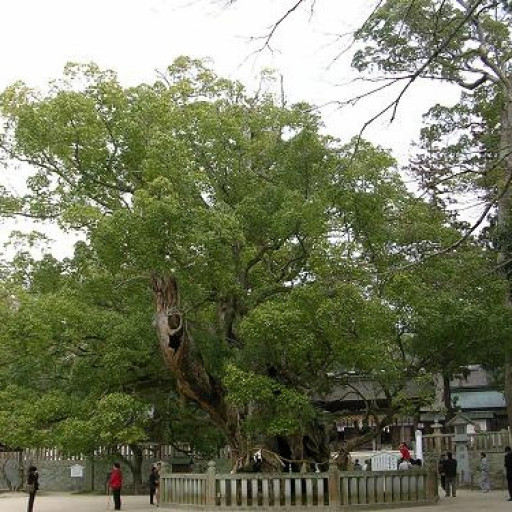
Plant Overview
Known as the "Camphor Laurel," this evergreen giant is a sensory delight characterized by its glossy foliage and sharp, refreshing scent. Native to East Asia, it has been revered for centuries in religious ceremonies and traditional medicine for its aromatic oils. While it offers a stately, cooling canopy, it is a vigorous grower that demands plenty of space to spread its ancient-looking limbs.
🔍 How to Identify
- 🍃 Aromatic Leaves: Oval-shaped, glossy, and bright green with distinct waxy undersides. When crushed, they release a powerful, cooling medicinal aroma unmistakable to the senses.
- 🪵 Fissured Bark: The trunk is wrapped in pale, rough bark that develops deep vertical cracks as the tree ages, giving it a rugged and weathered character.
- 🫐 Dark Berries: In the autumn, the tree produces small, pea-sized fruits that transition from a light green to a polished, waxy black.
🏡 In Your Garden
- 🌳 Space Requirements: This is not a tree for small spaces. Because of its massive crown and aggressive, spreading root system, it should be planted far away from home foundations, pipes, and pavements to prevent structural damage.
- 🌱 Ecology & Soil: It is incredibly hardy and adapts to various soil types, though it thrives in well-drained, slightly acidic earth. Be aware that in certain subtropical regions, it is considered "invasive" because birds spread the seeds rapidly, allowing it to overtake native habitats.
⚠️ Safety & Toxicity
- 🚫 Toxic Status: Potentially dangerous if ingested.
- 🐾 Pets & Children: All parts of the plant contain camphor oil. While the scent is pleasant, eating the leaves or berries can cause nausea, vomiting, or even neurological symptoms in pets and small children. It is best to keep a watchful eye on curious nibblers.
✨ Fun Fact
- 🦋 The Original Mothball: Long before synthetic chemicals were invented, the wood of the Camphor tree was the primary material used to build "Camphor Chests." These trunks were highly prized by sailors and travelers because the natural oils in the wood acted as a permanent repellent against moths and wood-boring insects.

Detailed Care Instructions
| Color | Inconspicuous |
| Soil Ph | Slightly Acidic To Very Basic |
| Invasive | Weed |
| Lighting | Full Sun |
| Toxicity | Non-Toxic |
| Soil Type | Moist, Fertile, Sandy Soil |
| Bloom Time | April |
| Plant Type | Evergreen |
| Mature Size | 50-65 Ft. Tall, 50-60 Ft. Wide |
| Native Area | China And Japan |
| Sun Exposure | Full Sun |
| Hardiness Zones | 9-11 |
To grow a Cinnamomum Camphora plant, also known as camphor tree, you can follow these steps:
- Climate and location: Make sure you live in a suitable climate for camphor tree growth. It thrives in tropical and subtropical regions. Choose a location with full sun exposure and well-draining soil.
- Starting from seeds: Collect fresh camphor tree seeds from existing plants or purchase them from reputable nurseries. Soak the seeds in water overnight to soften their hard shell. Sow the seeds in a pot filled with well-draining potting mix, burying them 1 inch deep. Keep the soil consistently moist.
- Germination and young plant care: Place the pot in a warm spot with temperatures around 77°F (25°C). Germination usually takes between 3-6 weeks. Once the seedlings emerge, provide them with bright light but avoid direct sunlight. Keep the soil lightly moist and provide regular misting to increase humidity.
- Transplanting: When the seedlings have grown several sets of true leaves and are around 6-8 inches tall, they can be transplanted into individual pots or directly into the ground. Use a well-draining soil mixture and ensure the new location meets the plant's sunlight and climate requirements.
- Watering and fertilizing: Camphor trees prefer regular, deep waterings to keep the soil consistently moist but not waterlogged. Water deeply when the top inch of soil feels dry. Fertilize the plants with a balanced, slow-release fertilizer in spring and midsummer, following the product instructions.
- Pruning: Perform light pruning to shape the tree and remove dead or damaged branches. It's recommended to prune in late winter or early spring before new growth begins.
- Pests and diseases: Cinnamomum Camphora plants are generally resistant to pests and diseases. However, keep an eye out for common issues like scale insects or leaf spot diseases. If necessary, address the problem promptly using appropriate pest control measures or treatments.
Remember, growing a camphor tree may not be suitable for all regions due to its size and strength, which can make it invasive in some areas. Always check local regulations before planting.

Place in a bright room that is sun drenched almost all day. Or directly in a south-facing window.

The plant in question requires regular watering, but it is important to avoid overwatering as this can lead to root rot. When watering, it is important to make sure that the soil is completely soaked, but that excess water is allowed to drain away. It is also important to avoid getting water on the foliage, as this can lead to fungal growth. Additionally, the plant prefers slightly acidic soil, so it may be beneficial to use rainwater or filtered water to avoid adding excess minerals to the soil. Finally, during the cooler winter months, the plant may require less frequent watering as it enters a dormant period.
To fertilize this plant, you will need a balanced fertilizer with equal proportions of nitrogen, phosphorus, and potassium. Apply the fertilizer once every month during the growing season, which is from spring to summer.
Before fertilizing, make sure the soil is moist to prevent burning the roots. You can water the plant a few hours before applying the fertilizer. Apply the fertilizer around the base of the plant, making sure not to get it on the leaves or stems.
After applying the fertilizer, water the plant thoroughly to help the nutrients penetrate the soil. You should see new growth and improved health in the plant within a few weeks of fertilization.
For optimal growth and health of this plant, it is recommended to use a well-draining soil that is rich in organic matter. The soil should have a pH between 5.5 and 7.5. It is important to avoid soils that are compacted or heavy, as this may lead to poor drainage and soil oxygenation. A mixture of peat moss, perlite, and sand works well for this plant. It is also recommended to incorporate compost or other organic matter into the soil to provide additional nutrients. During the growing season, this plant prefers to be kept evenly moist but not waterlogged.
To propagate this plant, you can take semi-hardwood cuttings in late summer or early fall. Take cuttings that are about 4-6 inches long and make a clean cut just below a node. Remove the leaves on the lower half of the cutting and dip the cut end in rooting hormone. Plant the cutting in well-draining soil and keep it consistently moist. Place the cutting in a location with bright, indirect light and keep it out of direct sunlight. In a few weeks, the cutting should begin to grow roots and new foliage. Once the plant has established roots, it can be transplanted into a larger pot or into the ground.
Common pests of the camphor-laurel include Scale insect, spider mites, larvae. Make a habit of checking your camphor-laurel frequently for pests so that any infestations can be caught and managed early.








