Plant Overview
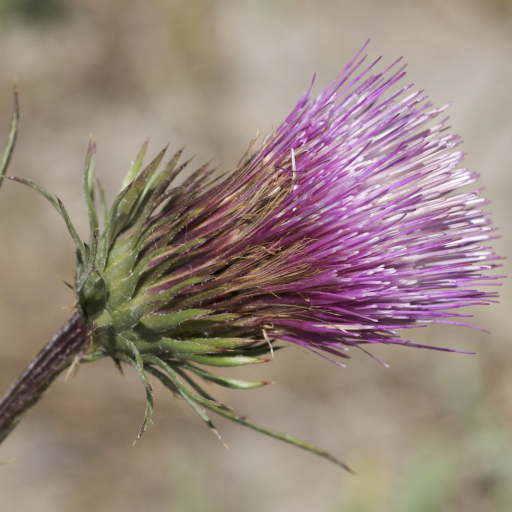
Known fondly as the Rose Thistle, Cirsium andersonii is a striking mountain dweller native to the rugged landscapes of the Sierra Nevada and the Great Basin. Unlike the common, invasive thistles often found in urban lots, this native beauty is a vital member of the high-altitude ecosystem. With its brilliant crimson-to-rose-pink flower heads and silver-green foliage, it adds a touch of wild elegance to rocky slopes and pine forests.
🔍 How to Identify
- 🌸 The Bloom: Look for deep carmine or rose-red flower heads that are narrow and cylindrical, rather than the wide "pincushion" shape of other thistles.
- 🗡️ The Spines: The leaves are long, narrow, and deeply lobed, tipped with sharp, pale yellow spines that act as a natural fortress.
- 🌿 The Stems: Its stalks are slender, often reddish in color, and can grow quite tall, reaching up to 3 or 4 feet in ideal conditions.
🏡 In Your Garden
- ⛰️ Natural Habitat: This plant thrives in well-draining, gritty soil and is perfectly adapted to the dry, rocky conditions of mountainous regions.
- 🦋 Pollinator Magnet: If you are lucky enough to have it in a native garden, it is an absolute favorite for hummingbirds and large butterflies like the Western Tiger Swallowtail.
- 💧 Low Maintenance: Because it is a mountain native, it is incredibly drought-tolerant once established and dislikes being overwatered or kept in heavy, soggy clay.
⚠️ Safety & Toxicity
- 🌵 Physical Hazard: While not chemically toxic, the Rose Thistle is heavily armed. The spines can easily pierce skin or paws, causing sharp pain and irritation.
- 🐾 Pet Safety: It is generally considered non-toxic to dogs and cats, but its "prickly personality" makes it a plant best kept at the back of a border where pets won't run into it.
✨ Fun Fact
The Rose Thistle was named in honor of Charles Lewis Anderson, a 19th-century physician and botanist who braved the wild terrains of Nevada to document the unique flora of the American West!

Detailed Care Instructions

Some plants require more regular watering than others, which should be done every few days. It's critical to maintain the soil moist all of the time. The water requirements of the same plant placed in pots with varying sizes will differ. Because the water in the smaller pot evaporates faster than the water in the larger pot, it will require more watering. Regardless of pot size, the surface should constantly be maintained moist.








