Plant Overview
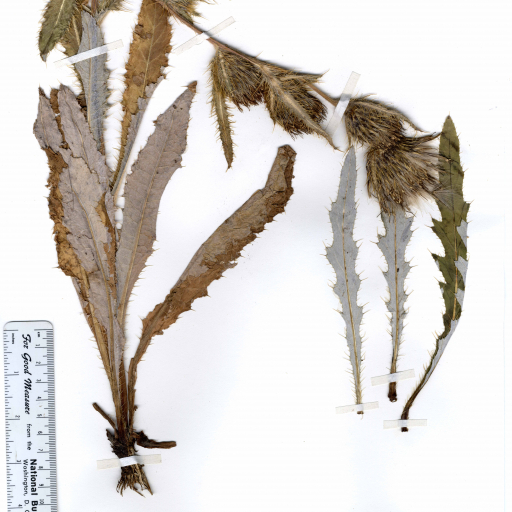
Often called the Hooker's Thistle or White Thistle, this mountain-dwelling beauty looks like it’s dressed for a blizzard even in mid-summer. Native to the rugged slopes of the Rocky Mountains and the Pacific Northwest, it is easily distinguished from its purple cousins by its ghostly, pale appearance. In high-altitude folklore, its dense "wool" is seen as a protective coat against the harsh alpine winds.
🔍 How to Identify
- ☁️ The Bloom: Unlike common thistles, these flower heads are creamy-white or pale greenish-yellow. They often grow in tight, nodding clusters at the very top of the plant.
- 🕸️ Woolly Texture: The stems and flower bases are covered in thick, white, cobweb-like hairs (known as arachnoid hairs) that give the plant a silvery, frosted look.
- ⚔️ Spiny Foliage: The leaves are long, deeply lobed, and armed with sharp yellowish spines at the tips. They start as a low rosette before the tall flowering stalk shoots upward.
🏡 In Your Garden & Nature
- 🐝 Pollinator Magnet: While many gardeners view thistles as weeds, this native species is a vital "superfood" for bumblebees and butterflies in high-elevation ecosystems where food is scarce.
- ⛰️ The Taproot Rule: This plant is extremely difficult to transplant because it develops a massive, deep taproot early in life. This root allows it to find water deep underground and survive in rocky, well-draining soil where other plants would wither.
- 🌦️ Climatic Survival: Its "fuzzy" exterior isn't just for show; the white hairs reflect intense UV rays at high altitudes and trap a layer of still air to prevent moisture loss.
⚠️ Safety & Toxicity
- 🌵 Physical Hazard: While not chemically toxic, the spines are incredibly sharp and can easily pierce garden gloves or thin clothing.
- 🐾 Pet & Child Safety: It is generally considered non-toxic to dogs, cats, and humans if accidentally nibbled, but the mechanical injury from the thorns can cause mouth irritation or skin rashes.
✨ Fun Fact
Bumblebees are so fond of Hooker's Thistle that they have been observed "sleeping" inside the white flower clusters during cold mountain nights, using the plant's woolly texture as a cozy, insulated sleeping bag!

Detailed Care Instructions
To grow Cirsium hookerianum, also known as Hooker's thistle, you can follow these steps:
- Obtain seeds or seedlings: You can purchase Cirsium hookerianum seeds from local nurseries, online seed vendors, or wildflower organizations. Alternatively, you can search for established plants at native plant sales or nurseries specializing in native plants.
- Choose a suitable location: Cirsium hookerianum prefers full sun to partial shade. It thrives in well-drained soils with average fertility. It's important to note that this plant is native to specific regions, such as the western United States, so make sure the climate and soil conditions in your area are suitable for its growth.
- Prepare the soil: Before planting, prepare the planting area by removing weeds, rocks, and debris. Loosen the soil to improve drainage and add organic matter like compost to enhance soil fertility.
- Sow the seeds or transplant the seedlings: If using seeds, scatter them on the soil surface and lightly press them into the soil, ensuring good seed-to-soil contact. Alternatively, you can start the seeds indoors 8-12 weeks before the last frost date and transplant them outside when they are around 3-4 inches tall. If using seedlings, simply transplant them into the prepared soil.
- Water and mulch: Keep the soil consistently moist but not saturated until the plants become established. After that, Cirsium hookerianum generally tolerates drought but benefits from occasional deep watering during dry periods. Mulching with organic material helps retain moisture and suppresses weed growth.
- Provide support if necessary: As Cirsium hookerianum grows, it may require staking or support to keep the tall stems upright, especially in windy areas. Use stakes or a ring support to prevent the plants from bending or breaking.
- Prune or deadhead: To prevent self-seeding and manage the plant's growth habit, you may choose to deadhead the flowers after they fade or prune back the whole plant after it finishes blooming. This can help maintain a tidy and compact form.
- Protect from pests: Observe the plant regularly for any signs of pests such as aphids, caterpillars, or weevils. If necessary, take appropriate measures like handpicking, using organic pest control methods, or seeking professional advice.
- Maintain soil health: Occasionally, you can apply a balanced organic fertilizer or compost around the base of the plant to maintain soil fertility and support vigorous growth.
- Enjoy the blooms: Cirsium hookerianum usually produces attractive thistle-like flowers in varying shades of purple, pink, or lavender. Enjoy their unique beauty and provide support for pollinators like butterflies and bees.

Place in a bright room that is sun drenched almost all day. Or directly in a south-facing window.

Cirsium Hookerianum plant requires consistent moisture in the soil, especially during the growing season. You should water the plant once a week if there is no rain. Water the soil at the base of the plant, avoiding wetting the leaves as this can encourage diseases. Ensure that the soil is appropriately drained to prevent waterlogging and root rot. In winter, reduce watering when the plant goes dormant.
The plant requires a balanced fertilizer, with equal parts nitrogen, phosphorous, and potassium. Apply the fertilizer once a month during the growing season, taking care not to over-fertilize. Water the plant before and after fertilizing to prevent root burn. Avoid using high-nitrogen fertilizers, which can lead to lush foliage but fewer flowers.
Cirsium Hookerianum prefers well-draining soil that is nutrient-rich and slightly acidic, with a pH between 5.5 and 7.0. It does best in soil that is moist but not waterlogged, with good air circulation to prevent root rot. A mix of compost, peat moss, and coarse sand or perlite is recommended to provide the necessary drainage. Additionally, Cirsium Hookerianum prefers full sun to partial shade, and regular watering to keep the soil moist but not overly wet.
To propagate this plant, you will need to follow these steps:
- Obtain a healthy parent plant that is at least 2 years old, which has established roots.
- Do this during the plant's active growth phase, ideally in the spring or early summer.
- Prepare a mix of soil composed of 50% peat moss and 50% perlite or coarse sand.
- Take a 6-inch long cutting from the parent plant, making sure it has at least two sets of leaves.
- Remove the lower set of leaves from the cutting, leaving the top set and any remaining growth.
- Dip the cut end of the cutting into rooting hormone powder.
- Plant the cutting in the mixture of soil and gently firm down the soil.
- Water the cutting lightly and place it in a bright, warm location, avoiding direct sunlight.
- Keep the soil moist but not waterlogged, and make sure to mist the cutting regularly.
- Once the cutting has established roots and new growth appears, it can be transplanted into an appropriate growing medium.
- Provide regular care, such as proper watering and fertilization, to ensure the healthy growth of the new plant.








