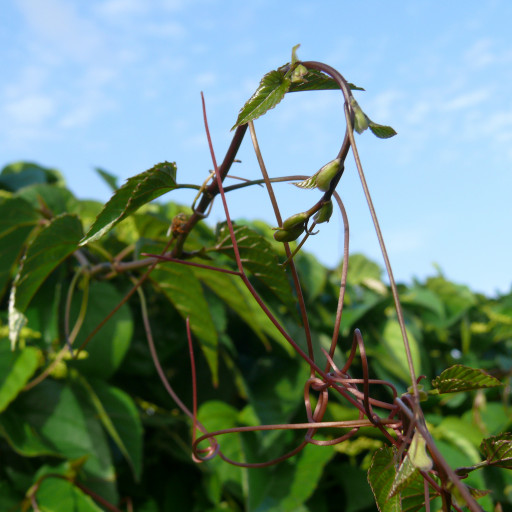
Plant Overview
Often called the Kangaroo Vine, this resilient Australian native is a classic "throwback" houseplant that rose to fame in the 1970s. Hailing from the cool rainforests of New South Wales and Queensland, it is prized for its ability to thrive in those awkward, dimly lit corners where other plants might struggle. It is a vigorous climber that brings a lush, woodland aesthetic to any indoor space.
🔍 How to Identify
- 🍃 The Foliage: Look for glossy, leathery leaves that are ovate (heart-shaped) with distinctively serrated or "toothed" edges. They are a deep, forest green.
- 🎋 The Stems: Young stems often have a subtle reddish-brown tint and are covered in fine hairs, giving the plant a textured, rustic look.
- 🧶 The Tendrils: As a natural climber, it produces thin, wiry tendrils that wrap tightly around anything they touch—trellises, moss poles, or even nearby lamp cords.
🏡 In Your Garden
- 🌥️ The Shade Specialist: Unlike many tropical plants that crave intense heat, the Kangaroo Vine prefers cooler temperatures and can tolerate significantly lower light. It is the perfect candidate for a north-facing window or a cool hallway.
- 💧 Thirst Quencher: It prefers to stay consistently moist but hates "wet feet." Because it grows quite fast during the spring and summer, it appreciates a bit of extra humidity to prevent its leaf tips from turning brown and crispy.
- ✂️ Pruning Habits: This plant can become quite "leggy" if left to its own devices. Don't be afraid to pinch back the growing tips; this encourages the plant to branch out and become a bushier, fuller specimen.
⚠️ Safety & Toxicity
- ✅ Safe Status: The Kangaroo Vine is generally considered non-toxic to humans and common household pets like cats and dogs.
- 🌱 Mild Irritation: While not poisonous, consuming large amounts of any plant material can cause mild stomach upset or vomiting in pets. It is always best to keep trailing vines out of reach of curious nibblers.
✨ Fun Fact
Even though it doesn't produce edible fruit, Cissus antarctica belongs to the Vitaceae family, which is the same botanical family as the common grapevine! If you look closely at its climbing tendrils, you’ll see the family resemblance to a vineyard grape.

Detailed Care Instructions
| Humidity | Normal |
| Lighting | Part Sun |
| Toxicity | Poisonous |
| Difficulty | Medium |
| Temperature | 18°C - 25°C |
| Hardiness Zones | 10A - 11B |
To grow Cissus Antarctica, also known as Kangaroo Vine, you can follow these steps:
- Choose a suitable location: Cissus Antarctica prefers a sunny spot but can also tolerate partial shade. Make sure the location has well-draining soil.
- Prepare the soil: Prepare the soil by loosening it with a garden fork or shovel. Remove any weeds or rocks from the area.
- Planting method: You can propagate Cissus Antarctica using stem cuttings or by planting seeds.
- Stem cuttings: Take a stem cutting that has at least 2-3 nodes. Remove the lower leaves from the cutting, leaving only a few leaves at the top. Dip the lower end of the cutting in rooting hormone (optional). Plant the cutting in a small pot filled with a well-draining potting mix. Water the cutting thoroughly and place it in a warm, bright location. Keep the soil slightly moist but not soggy. After a few weeks, the cutting should develop roots and can be transplanted to a larger pot or directly into the ground.
- Seeds: Soak the seeds in warm water overnight to improve germination. Sow the seeds in a pot or directly in the ground, covering them lightly with soil. Keep the soil moist until germination occurs, which usually takes a few weeks. Once the seedlings are large enough, they can be transplanted to their final location.
- Stem cuttings: Take a stem cutting that has at least 2-3 nodes. Remove the lower leaves from the cutting, leaving only a few leaves at the top. Dip the lower end of the cutting in rooting hormone (optional). Plant the cutting in a small pot filled with a well-draining potting mix. Water the cutting thoroughly and place it in a warm, bright location. Keep the soil slightly moist but not soggy. After a few weeks, the cutting should develop roots and can be transplanted to a larger pot or directly into the ground.
- Watering: Cissus Antarctica prefers regular watering, but avoid overwatering as it can cause root rot. Water the plant when the top inch of soil feels dry. During hot and dry periods, you may need to water more frequently.
- Fertilizer: Fertilize the plant with a balanced, slow-release fertilizer during the growing season (spring and summer) to promote healthy growth. Follow the instructions on the fertilizer package for application rates.
- Pruning: Prune the plant to maintain its desired shape and size. Remove any dead, damaged, or overcrowded branches. Pruning can be done in late winter or early spring before new growth starts.
- Support: Cissus Antarctica is a climbing vine, so providing a trellis or support structure for it to grow on is beneficial. This will help the plant to climb and maximize its growth potential.
- Protection: Protect the plant from extreme cold or frost. If you live in an area with harsh winters, it is best to grow Cissus Antarctica in containers so you can move them indoors during the colder months.
Remember to regularly monitor your plant for pests such as aphids or mealybugs and take appropriate measures if needed, such as using organic insecticidal soap.

Place in a window with dappled sun or a spot in the middle of a room. Or directly in a window facing west or east.

To water this plant, you should first check the soil moisture level by sticking your finger about an inch or two into the soil. If the soil feels dry, it is time to water the plant. When watering, pour water evenly across the soil surface until you see water begin to trickle out of the bottom of the pot. Be careful not to overwater, as this plant is susceptible to root rot. It is recommended to let the soil dry out slightly between waterings. The plant prefers to be kept moist but not waterlogged. In the winter, water less frequently as the plant's growth slows down. Additionally, do not water the plant from above as it can lead to fungal infections.
To fertilize this plant, mix a liquid all-purpose fertilizer with equal parts water. Apply the fertilizer solution to the soil once every two weeks during the spring and summer growing season. Reduce the frequency to once a month during the fall and winter months. Be sure to dilute the fertilizer according to the instructions on the label, and avoid getting any on the leaves as it may cause damage.
For optimal growth and health of the Cissus Antarctica plant, it is recommended to use a well-draining, nutrient-rich soil. The soil should have good water retention capabilities and should not become too compacted over time. A mixture of high-quality potting soil, coarse sand, and perlite can be used to achieve the ideal balance of moisture and nutrients. The use of organic matter, such as compost or worm castings, can also help to enrich the soil and promote healthy root development. It is important to avoid using heavy, clay-based soils or soils that are prone to waterlogging, as this can lead to root rot and other fungal diseases. Additionally, it is recommended to fertilize the plant with a balanced, slow-release fertilizer once every few months to provide it with the necessary nutrients to support its growth and development.
To propagate this plant, you will need a stem cutting of at least 4-6 inches in length. Make sure the cutting has a minimum of 2-3 nodes on it. Remove the bottom leaves from the stem to expose the nodes. Dip the bottom end of the cutting in rooting hormone powder (optional). Plant the cutting in well-draining soil and water it generously. Keep the soil moist and place the cutting in a bright, indirect light location. Keep the cutting warm with a heat mat or by placing it on top of a refrigerator. After a few weeks, new growth should appear, indicating successful propagation.
Common pests of the kangaroo vine include Mealybugs, spider mites, thrips. Make a habit of checking your kangaroo vine frequently for pests so that any infestations can be caught and managed early.








