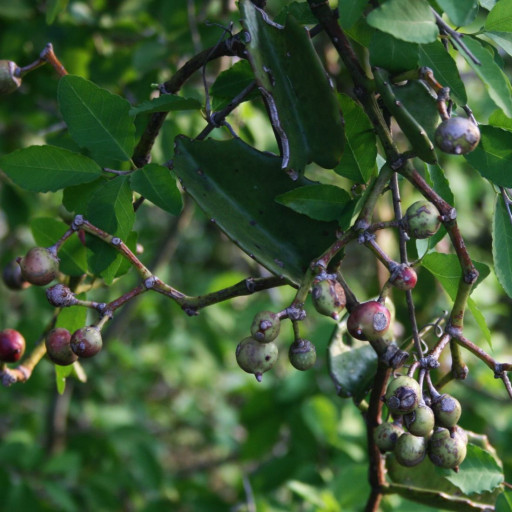
Plant Overview
The Cissus rotundifolia, commonly known as the Arabian Wax Cissus or Succulent Ivy, is a rugged yet elegant climber hailing from the arid regions of East Africa and the Arabian Peninsula. Often mistaken for a common ivy at a distance, a closer look reveals thick, waxy leaves that feel more like a desert succulent than a forest vine. It is a member of the grape family (Vitaceae), though you won’t be harvesting any wine from this resilient traveler.
🔍 How to Identify
- 🍃 The Leaves: Round, fleshy, and remarkably stiff with slightly serrated (toothed) edges. They have a high-gloss, waxy coating designed to trap moisture.
- 🌿 The Stems: Unlike many vines, the stems are distinctive—often appearing four-angled or "square" and becoming woody as the plant matures.
- 🧶 The Tendrils: Look for thin, wiry "arms" that emerge opposite the leaves; these are the plant’s climbing tools, which it uses to lock onto trellises or neighboring branches.
🏡 In Your Garden
- ☀️ Light & Resilience: Because of its desert origins, this plant thrives in bright, indirect light and can even handle some direct sun. It is the perfect choice for "black thumb" gardeners because its thick leaves store water, allowing it to survive a missed watering or two.
- 🪴 Growth Habit: While it loves to climb, it works beautifully in a hanging basket where its heavy, jade-like foliage can trail downward. However, be mindful of its weight—as the succulent leaves multiply, the plant can become quite heavy for a flimsy hook.
⚠️ Safety & Toxicity
- 🐾 Status: Generally considered non-toxic to humans and pets, making it a "safe" choice for households with curious cats or dogs.
- 🧪 Mild Irritant: While not poisonous, the sap contains calcium oxalate crystals (common in the grape family). If the stem is broken, the sap can cause mild skin irritation for sensitive individuals or an itchy mouth if chewed.
✨ Fun Fact
In its native habitat, the Cissus rotundifolia is a true survivor; it is often found growing in rocky crevices and semi-desert scrublands, proving that even the most delicate-looking "ivy" can be as tough as a cactus!

Detailed Care Instructions
| Humidity | Normal |
| Lighting | Part Sun |
| Difficulty | Medium |
| Temperature | 16°C - 32°C |
| Hardiness Zones | 9B - 11 |
To grow Cissus Rotundifolia, also known as Peruvian Grape Ivy or Arabian Wax Ivy, you can follow these steps:
- Choose a suitable location: Cissus Rotundifolia prefers bright, indirect sunlight. Place it near a window but avoid direct sunlight, as it can cause the leaves to burn. It can tolerate low light conditions but may grow slower.
- Select a pot: Use a well-draining pot with a size that matches the current size of the plant. It is best to choose a pot with a drainage hole to prevent waterlogging.
- Potting soil: Choose a well-draining potting mix that retains some moisture. You can mix regular potting soil with perlite or sand to improve drainage.
- Watering: Water the plant thoroughly when the top inch of soil feels dry to the touch. Avoid overwatering, as it can lead to root rot. Check the soil moisture regularly to determine the watering frequency, as it may vary depending on the indoor climate.
- Humidity: Cissus Rotundifolia prefers higher humidity levels. You can increase humidity around the plant by misting it with water or placing a tray of water near the plant.
- Fertilization: Feed the plant with a balanced, water-soluble fertilizer diluted to half the recommended strength once a month during the growing season (spring and summer). Reduce or stop fertilizing in winter when the plant goes through a period of dormancy.
- Pruning: Prune the plant to maintain its shape and encourage branching. You can trim back any leggy or overgrown stems. Pruning also helps to promote new growth.
- Training: Cissus Rotundifolia is a climbing plant. If desired, you can train it to climb up a trellis or support by gently tying the stems to it with plant ties.
- Propagation: You can propagate Cissus Rotundifolia through stem cuttings. Take a cutting from a healthy plant and place it in a container with water or moist potting soil. Keep the cutting in a warm, bright location until it develops roots.
- Troubleshooting: Watch out for signs of pests like aphids or mealybugs. Treat them with insecticidal soap or neem oil, following the manufacturer's instructions.
Remember to monitor the plant's growth and adjust care accordingly. With consistent care and suitable conditions, your Cissus Rotundifolia plant should thrive and grow beautifully.

Place in a dark room with little light, like a dark bedroom or a spot far away from a window or directly in a north-facing window.

To properly water this plant, fill a watering can with room temperature water and pour it slowly and evenly onto the soil around the base of the plant until the top few inches of soil feel moist. Do not allow water to sit in the saucer under the pot as this can lead to root rot. Water only when the top inch or so of soil feels dry to the touch. Additionally, make sure the pot has good drainage holes to prevent water from accumulating in the soil. It's important to not overwater this plant, as it prefers soil that is slightly drier than saturated.
When fertilizing the Cissus Rotundifolia plant, use a balanced fertilizer, such as a 10-10-10 or 15-15-15 formula, during the growing season. Apply the fertilizer every two weeks at half strength or every month at full strength. Be sure to water the plant thoroughly before and after fertilizing to avoid burning the roots. Limit fertilization during the winter months when the plant is dormant.
When it comes to growing Cissus Rotundifolia plants, it is important to use a specific type of soil to ensure proper growth and health. The ideal soil for this plant is well-draining and loamy, with a pH range of 6.0 to 7.0. This soil should be rich in organic matter and nutrients, such as compost or aged manure, which can provide the plant with the necessary nutrients for growth.
It is also important to avoid soil with high clay content, as this can cause waterlogging and root rot. Additionally, the soil should be kept consistently moist but not waterlogged, and it should be allowed to dry out slightly between waterings.
Furthermore, the planting container should have drainage holes, and a layer of gravel or sand should be added to the bottom to ensure proper drainage. It is also recommended to place the plant in a location with bright, indirect sunlight, as too much direct sunlight can scorch the leaves.
Overall, providing the appropriate soil conditions is essential for the successful growth and development of Cissus Rotundifolia plants.
To propagate this plant, you will need to take stem cuttings. Take a sharp, clean pair of scissors or pruning shears and select a healthy stem with several nodes. Cut just below a node, making sure the cutting is at least 4-6 inches long.
Remove any leaves from the lower 1-2 inches of the cutting, leaving just the stem. Dip the cut end of the stem in rooting hormone powder, if desired.
Fill a small pot with moist potting soil and make a hole in the center. Place the cutting in the hole and gently press the soil around it.
Cover the pot with a clear plastic bag or dome to create a humid environment. Place the pot in a bright, but indirect light and keep the soil moist.
After 2-3 weeks, check for roots by gently tugging on the cutting. If you feel resistance, roots have formed. Gradually remove the plastic covering and continue to care for the new plant as you would any other.
Common pests of the venezuelan treebine include Mealybugs, spider mites, thrips. Make a habit of checking your venezuelan treebine frequently for pests so that any infestations can be caught and managed early.








