Plant Overview
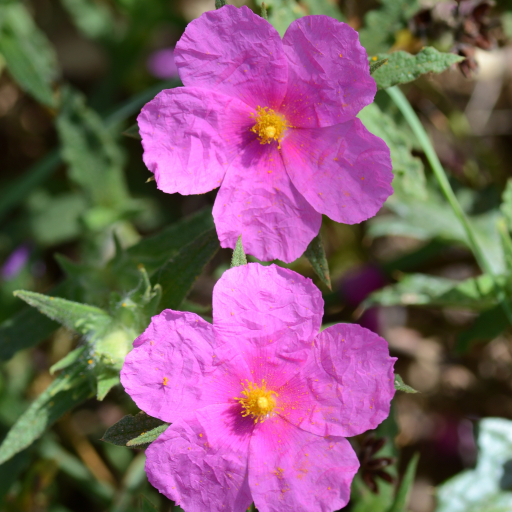
Often called the Wrinkle-leaved Rockrose, Cistus crispus is a resilient little shrub that brings the sun-drenched beauty of the Mediterranean to your doorstep. This plant is a survivor, thriving in rocky, poor soils where other plants might wither and fade. Its charming, crumpled pink flowers look like they are made of delicate crepe paper, dancing in the breeze during the height of summer.
🔍 How to Identify
- 🌿 Crinkled Foliage: The small, grey-green leaves have distinctively wavy or "crisped" margins, giving the plant a textured, ruffled appearance that sets it apart from other rockroses.
- 🌸 Papery Blooms: The five-petaled flowers are a vibrant magenta or deep pink. Each bloom features a bright golden-yellow cluster of stamens at the center, creating a striking color contrast.
- ☁️ Velvety Texture: Both the stems and leaves are covered in fine, soft hairs. This "fuzz" isn't just for show; it helps the plant retain moisture and gives the shrub a soft, silvery-green glow in the sunlight.
🏡 In Your Garden
- ☀️ The Sun-Worshipper: This plant evolved for intense heat and drought. It thrives in full sun and actually prefers "lean" or poor soil; adding too much fertilizer will make the plant leggy and significantly shorten its lifespan.
- ✂️ Sensitive Roots: Cistus crispus hates being moved once it is settled. Because it develops a sensitive root system and woody base, you should avoid hard pruning. Instead, lightly pinch back young growth to encourage a bushier shape.
⚠️ Safety & Toxicity
- 🐾 Non-Toxic: This plant is generally considered safe and non-toxic for dogs, cats, and horses. It is a "worry-free" addition to a pet-friendly landscape.
- 🛡️ Mild Irritation: While not poisonous, the fine hairs on the leaves and the sticky resin produced by the plant can occasionally cause mild skin redness or itching in gardeners with particularly sensitive skin.
✨ Fun Fact
🔥 Many Cistus species are "pyrophytes," meaning they have a fascinating relationship with fire. Their seeds have incredibly tough coats that often require the intense heat of a bushfire to crack open and germinate, allowing them to be the very first plants to reclaim and "green up" a scorched landscape!

Detailed Care Instructions
| Humidity | Dry |
| Lighting | Full Sun |
| Difficulty | Medium |
| Hibernation | Cold Period |
| Hardiness Zones | 8 - 10 |
To grow Cistus crispus, also known as the wrinkled rock rose, follow these steps:
- Start with healthy seeds or young plants obtained from a reputable nursery or seed supplier. Ensure they are suitable for your climate zone.
- Choose a location with full sun exposure and well-draining soil. This plant thrives in dry conditions and prefers sandy or gravelly soil.
- Prepare the soil by removing any weeds or grass and loosening it with a garden fork or tiller. Add organic matter such as compost or well-rotted manure to improve soil structure and drainage.
- Sow the seeds or plant the young Cistus crispus plants according to the package instructions or spacing recommendations. If planting from seeds, lightly cover them with a thin layer of soil.
- Water the newly planted seeds or plants thoroughly but avoid overwatering. The soil should be moist but not waterlogged. Once established, these plants are generally drought-tolerant and do not require much watering.
- Mulch around the base of the plants with a layer of organic mulch such as wood chips or straw. This helps to conserve moisture and suppress weed growth.
- Prune Cistus crispus sparingly. Only remove dead or damaged branches and shape the plant if necessary. Avoid heavy pruning, as these plants have a natural, attractive form.
- Fertilize sparingly, if needed, with a balanced slow-release fertilizer formulated for flowering shrubs or Mediterranean plants. Follow the manufacturer's instructions for application rates.
- Monitor the plants for pests and diseases, such as aphids or powdery mildew. If necessary, treat with appropriate organic or chemical controls.
- Enjoy the beautiful flowers of Cistus crispus from late spring to early summer. These plants are usually low-maintenance and provide a lovely addition to a sunny garden or rockery.

Place in a bright room that is sun drenched almost all day. Or directly in a south-facing window.

To water this plant, you should first examine the soil around the base of the plant. If the soil feels dry to the touch, it is time to water the plant. Use a watering can or hose to give the plant a thorough soaking, ensuring that the water reaches the roots. Be careful not to overwater the plant, as this can lead to root rot. Allow the soil to dry out slightly before watering again. In periods of drought, you may need to water the plant more frequently.
To fertilize the Cistus Crispus plant, it is recommended to follow these instructions:
- Choose a balanced, water-soluble fertilizer formulated for flowering plants.
- Dilute the fertilizer according to the package instructions. Typically, a dilution ratio of 1:2 or 1:4 with water is sufficient.
- Apply the diluted fertilizer around the base of the plant, avoiding direct contact with the leaves.
- Water the plant thoroughly after applying the fertilizer to help the nutrients penetrate the soil.
- Repeat the fertilization process every 4-6 weeks during the growing season, generally from spring to early fall.
- Monitor the plant's response to the fertilizer. If the foliage turns yellow or shows signs of nutrient deficiencies, adjust the fertilizer application or consult a horticulturist for further guidance.
Remember to always read and follow the specific instructions provided with the fertilizer you choose, as instructions may vary slightly based on the brand or formulation.
The Cistus Crispus plant grows best in well-draining soil with plenty of sand and gravel mixed in for drainage. The soil should also be slightly acidic with a pH of around 6.0-6.5. It's important to avoid soil that is too rich in nutrients or organic matter, as this can lead to root rot. A mix of sand, gravel, and perlite can be added to regular potting soil to create the ideal growing medium for this plant. Additionally, adding a layer of coarse gravel to the bottom of the pot can aid in drainage.
To propagate Cistus crispus, you can follow the steps below:
- Choose a healthy and mature Cistus crispus plant from which you would like to propagate.
- During the spring season, when the plant is actively growing, locate a stem that is semi-hard and not too soft or too woody.
- Using a sharp and sterilized garden knife or pruners, make a clean and angled cut at a 45-degree angle, about 4 to 6 inches below a node (where the leaf joins the stem).
- Remove any lower leaves from the cutting, leaving just a few leaves at the top.
- If necessary, dip the bottom end of the cutting in a rooting hormone powder to help stimulate root growth (optional).
- Fill a small pot or container with a well-draining potting mix, such as one containing perlite, vermiculite, or sand mixed with regular potting soil.
- Create a small hole in the potting mix using a pencil or your finger.
- Insert the bottom of the cutting into the hole in the potting mix, making sure that two or three nodes are below the soil line.
- Press the soil gently around the cutting to hold it in place and ensure good soil-to-cutting contact.
- Water the cutting thoroughly, ensuring the soil is evenly moist but not soggy. Allow any excess water to drain away.
- To provide a suitable environment for rooting, cover the pot with a clear plastic bag or a propagator dome, creating a mini greenhouse effect. This will help retain moisture and maintain humidity around the cutting.
- Place the pot in a warm and bright location, but out of direct sunlight to avoid excessive heat buildup.
- Check on the cutting regularly to ensure it remains moist, and mist the cutting if necessary to prevent it from drying out.
- After about 6-8 weeks, gently tug on the cutting to check if it has developed roots. If you feel resistance, it means roots have formed.
- Once there are well-developed roots, carefully transplant the rooted cutting into a larger pot or your desired planting location in the garden.
- Water the newly transplanted cutting thoroughly and continue to provide proper care, including regular watering and monitoring for pests or diseases.
By following these steps, you should be able to successfully propagate Cistus crispus and expand your collection of these lovely plants.








