Plant Overview
Known to many as the "Key Lime," the "Mexican Lime," or even the "Bartender’s Lime," Citrus aurantifolia is the zesty heart of tropical desserts and refreshing summer drinks. Unlike its larger, seedless cousin (the Persian Lime), this petite powerhouse is prized for its intense, floral aroma and high acidity. It traveled from Southeast Asia to the Florida Keys with early explorers, eventually becoming a staple of island life and a favorite for sunny home orchards.
🔍 How to Identify
- 🍃 Glossy Foliage: The leaves are relatively small, oval-shaped, and a vibrant, waxy green. When crushed, they release a potent, refreshing citrus scent.
- 🌸 Fragrant Blooms: It produces clusters of tiny, star-shaped white flowers. These blossoms are incredibly fragrant, often perfuming an entire garden or balcony during the blooming season.
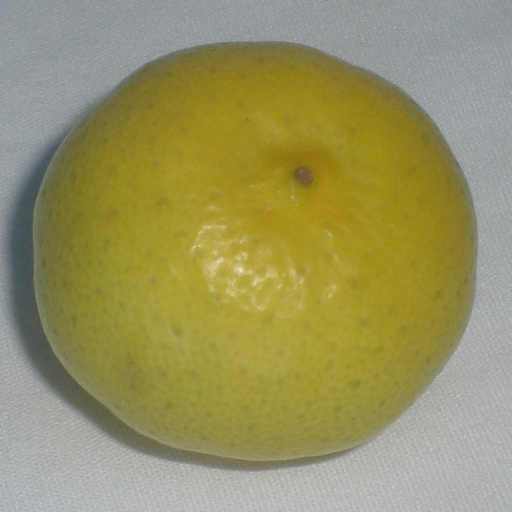
- 🍋 The Fruit: The limes are small and round—roughly the size of a golf ball. While we usually see them green, they actually turn a pale yellow when fully ripe and at their juiciest.
- ⚔️ Sharp Spines: Most varieties are armed with short, sharp thorns tucked along the branches, so handle with care during harvest!
🏡 In Your Garden
- ☀️ Sun Seeker: This plant is a true sun-worshipper. It requires at least 6–8 hours of direct light to produce fruit. Because it is more sensitive to cold than other citrus, it is often grown in large pots that can be moved indoors when temperatures dip.
- 💧 Drainage is Key: Like most citrus, the Key Lime hates "wet feet." It thrives in sandy, well-draining soil and prefers to dry out slightly between deep waterings to prevent root issues.
- 🌳 Compact Habit: It naturally grows as a bushy shrub or small tree, making it one of the best fruit trees for small spaces or patio gardening.
⚠️ Safety & Toxicity
- 🐱 Pet Warning: Citrus aurantifolia is considered toxic to dogs, cats, and horses. The essential oils (limonene and linalool) and psoralens found in the skin and leaves can cause digestive upset or skin irritation if ingested or rubbed against.
- ☀️ Margarita Burn: The juice contains compounds that cause "phytophotodermatitis." If you get the juice on your skin and then go into the sun, it can cause a painful, blistering rash. Always wash your hands after squeezing!
- 🌵 Physical Injury: The thorns are small but very sharp and can easily puncture skin or gardening gloves.
✨ Fun Fact
The term "Limey"—a nickname for British sailors—originated because the Royal Navy issued lime juice (often from Citrus aurantifolia) to its crew to prevent scurvy during long sea voyages. Also, a "true" Key Lime pie should always be pale yellow; if it's bright green, it’s likely full of food coloring!

Detailed Care Instructions
To grow Citrus Aurantifolia, also known as Key lime or Mexican lime, follow these steps:
- Choose the right location: Citrus Aurantifolia plants need full sun exposure, so select a spot in your garden that receives at least 6-8 hours of direct sunlight daily.
- Soil preparation: Prepare the planting area by loosening the soil to a depth of around 12-18 inches. Amend the soil with compost or well-rotted manure to improve drainage and fertility. Citrus Aurantifolia prefers slightly acidic soil with pH levels between 5.5 and 6.5.
- Planting: Dig a hole that is slightly wider and deeper than the root ball of your Citrus Aurantifolia plant. Place the plant in the hole, ensuring the top of the root ball is level with or slightly above the soil surface. Fill the hole with soil, gently firming it around the root ball, and water thoroughly.
- Watering: Citrus Aurantifolia plants need regular watering, especially during the first year. Water deeply but infrequently to promote deep root growth. Ensure the soil remains moist, but not waterlogged or overly saturated.
- Fertilizing: Feed your Citrus Aurantifolia plant with a balanced citrus fertilizer during the growing season, typically in spring and summer. Follow the package instructions for application rates. Avoid excessive fertilization, as it can lead to leaf burning or excessive vegetative growth.
- Pruning: Prune your Citrus Aurantifolia plant to shape it and remove dead or diseased branches. However, avoid excessive pruning, as it can reduce fruit production. Prune in late winter or early spring before new growth appears.
- Protection: If you live in a colder climate, Citrus Aurantifolia plants are not frost-tolerant. Consider planting them in large pots that can be moved indoors during the winter or protect them with frost covers during freezing temperatures.
- Pest and disease control: Monitor your plants regularly for signs of pest infestation, such as aphids or scale insects. Use organic or chemical insecticides as necessary. Watch out for common citrus diseases like citrus canker or root rot, and treat them promptly if detected.
- Harvesting: Citrus Aurantifolia plants usually bear fruit within 3-5 years. Harvest the limes when they reach a desirable size and color, typically when they are small, green, and fragrant. Twist or cut the fruit from the tree, being careful not to damage the branches.
By following these tips, you can successfully grow and cultivate your Citrus Aurantifolia plant.
Citrus Aurantifolia is a tropical fruit plant that requires careful watering to grow properly. To water this plant, first ensure that the soil is dry to the touch before watering. This will prevent overwatering, which can lead to root rot. When watering, use a watering can or hose with a gentle stream to avoid disturbing the soil or uprooting the plant. Slowly pour water onto the soil around the base of the plant until it is moist but not saturated. Allow the excess water to drain out of the drainage holes in the bottom of the pot. Water Citrus Aurantifolia plants regularly, but avoid watering too frequently, as this can also lead to root rot. In addition, adjust the watering schedule based on the climate and humidity of the plant's environment. In drier climates, the plant may require more frequent watering, while in more humid conditions, it may require less.
To fertilize the Citrus plant, use a balanced 10-10-10 fertilizer during the growing season. Apply the fertilizer around the root zone of the plant, avoiding the trunk and foliage. Water the plant thoroughly after fertilizing. Repeat this process every 4-6 weeks during the growing season, but avoid fertilizing during the dormant period. Additionally, apply organic mulch around the base of the plant to help retain moisture and provide nutrients to the soil.
Citrus Aurantifolia plants thrive in a well-draining and nutrient-rich soil that is slightly acidic with a pH range of 5.5 to 6.5. The ideal soil should be loamy or sandy and contain a mixture of organic matter, such as compost, and mineral components like perlite or vermiculite to ensure good drainage. It is important to avoid using heavy clay soils that tend to retain water and may cause root rot. Additionally, the soil should have good aeration and be fertile enough to support the plant's nutritional needs. Regular fertilization with a citrus-specific fertilizer is recommended to maintain healthy growth. Overall, the soil used for Citrus Aurantifolia should have a balance of water and air retention, nutrient availability and drainage capacity to support the plant's overall health and growth.
Citrus Aurantifolia is a plant that can be propagated by several methods, including seed propagation and stem cuttings. To propagate this plant using stem cuttings, first choose a healthy specimen with firm leaves and no signs of disease or damage. Using a sterilized pair of scissors, cut a stem from the plant that is at least 6 inches long and has several leaves attached.
Remove any leaves from the lower portion of the stem, leaving only a few leaves at the top. Dip the cut end of the stem into rooting hormone to promote the growth of roots, then plant the stem into a pot filled with moist, well-draining soil. Cover the pot with a plastic bag to create a humid environment, then place it in an area with bright, indirect sunlight.
Keep the soil moist and check for signs of growth after a few weeks. Once the stem has developed roots and new growth, it can be transplanted into a larger pot or into the ground. With proper care and maintenance, your propagated Citrus Aurantifolia plant will continue to grow and thrive.







