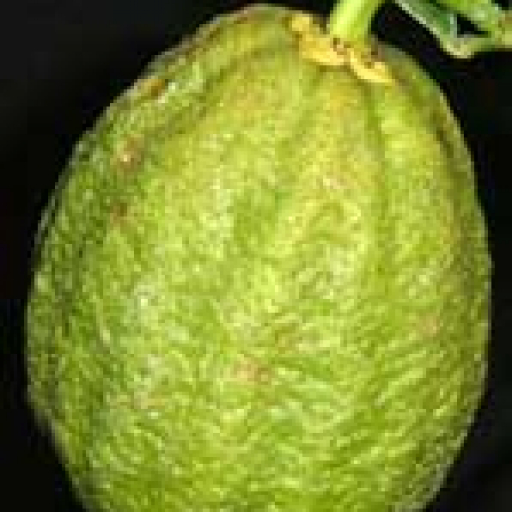
Plant Overview
Often hailed as the "hardiest of all citrus," the Ichang Papeda is a rugged mountain dweller originating from the high-altitude forests of Southwestern China. Unlike its pampered cousins, the lemon or the orange, this plant is a survivor that can withstand frost and even light snow with remarkable grace. It is primarily prized by collectors and breeders as a "super-parent" used to create cold-resistant hybrids like the famous Yuzu.
🔍 How to Identify
- 🍃 The "Double Leaf": The most striking feature is the wide, "winged" petiole (the leaf stem), which is often as large as the leaf blade itself, giving the foliage a unique hourglass or "double-leaf" appearance.
- 🌸 Purple-Tinted Blooms: In spring, it produces thick, waxy white flowers with a distinct purple tint at the base of the petals and a heavy, sweet perfume.
- 🍋 Lumpy, Seedy Fruit: The fruit is small, oval, and extremely bumpy. When cut open, you will find very little juice but plenty of large, marble-like seeds packed inside a thick, fragrant rind.
🏡 In Your Garden
- 🏔️ High-Altitude Resilience: Because it evolved in cool, damp mountain regions, it is far more tolerant of shade and "wet feet" than Mediterranean citrus, making it a great choice for temperate gardens.
- 🪴 Slow and Steady: This is a slow-growing evergreen that maintains a compact, shrub-like shape for many years. It is perfect for large pots or as a structural hedge in zones where other citrus would freeze.
⚠️ Safety & Toxicity
- 🐕 Pet Warning: Like most members of the Citrus genus, the leaves, peel, and fruit contain essential oils and psoralens that are toxic to dogs, cats, and horses if ingested in significant amounts.
- ⚔️ Thorny Protection: This plant is heavily armed with long, sharp thorns hidden among the leaves. Wear gloves when pruning and avoid planting it near high-traffic walkways where children might play.
✨ Fun Fact
The Ichang Papeda is one of the few "true" wild citrus species that hasn't been heavily altered by human breeding for thousands of years. It is the genetic "grandfather" of the Yuzu fruit, passing down its legendary ability to survive freezing temperatures!

Detailed Care Instructions
To grow a Citrus Cavaleriei plant, also known as Yunnan Ziyin, you will need to follow these steps:
- Climate: Citrus Cavaleriei plants thrive in warm, humid climates similar to its native habitat in Yunnan, China. Ideally, the plant should be grown in a greenhouse or indoors in a spot that receives plenty of indirect sunlight.
- Soil: Use well-draining, slightly acidic soil for your Citrus Cavaleriei plant. You can create a mix of peat moss, perlite, and sand to achieve the right soil composition.
- Watering: Keep the soil evenly moist but not waterlogged. Water the plant when the top inch of soil feels dry to the touch. Avoid letting the soil dry out completely or sitting in water.
- Fertilizing: Use a balanced fertilizer formulated for citrus plants during the growing season. Fertilize every 4-6 weeks from spring to fall.
- Temperature and Humidity: Citrus Cavaleriei plants prefer temperatures between 60-85°F (15-29°C) and high humidity levels. Mist the plant regularly with water to increase the humidity around the plant.
- Pruning: Citrus Cavaleriei plants may require occasional pruning to maintain a desired shape and size. Remove any dead or damaged branches and prune for shape in the spring.
- Pests and Diseases: Keep an eye out for common citrus pests such as aphids, spider mites, and scale insects. Treat any infestations promptly with insecticidal soap or neem oil. Watch out for signs of diseases such as citrus greening or citrus canker and take appropriate actions if detected.
By following these steps, you can successfully grow a healthy Citrus Cavaleriei plant in your home or garden.
Citrus Cavaleriei plants require regular watering to thrive, especially during the growing season. When watering, it is important to ensure that the soil is evenly moist but not waterlogged. This can be achieved by allowing the top inch of soil to dry out before watering again.
To water a Citrus Cavaleriei plant, thoroughly saturate the soil around the base of the plant, taking care to avoid getting the leaves wet. It is best to water in the morning to allow excess moisture to evaporate throughout the day and prevent the risk of fungal diseases.
In addition to regular watering, it is important to provide adequate drainage for the plant to prevent waterlogging. This can be achieved by planting the Citrus Cavaleriei in well-draining soil and using a pot with drainage holes if growing in a container.
Overall, consistent and mindful watering practices are essential for maintaining a healthy Citrus Cavaleriei plant.
To fertilize your Citrus Cavaleriei plant, use a balanced fertilizer with equal amounts of nitrogen, phosphorus, and potassium. Apply the fertilizer in the early spring before new growth starts, and then again in late spring or early summer. Follow the manufacturer's instructions for the correct amount to use based on the size of your plant. Water the plant thoroughly after fertilizing to help the nutrients penetrate the soil and reach the roots. Avoid over-fertilizing, as this can damage the plant.
Citrus Cavaleriei plants prefer a well-draining soil that is slightly acidic to neutral. A sandy loam or sandy clay loam soil is ideal for these plants, as it allows for good drainage while also retaining some moisture. It is important to avoid heavy clay soils, as they can lead to waterlogged conditions that are not suitable for Citrus Cavaleriei plants.
In terms of pH levels, a range of 5.5 to 7.5 is recommended for optimal growth. This can be achieved by adding organic matter such as compost or pine bark mulch to the soil. This will help to maintain a slightly acidic environment that is conducive to healthy root development and nutrient uptake.
It is also important to ensure that the soil is rich in nutrients, particularly nitrogen, phosphorus, and potassium. Fertilizing with a balanced fertilizer formulated for citrus trees can help to provide these essential nutrients. Additionally, regular watering and mulching can help to maintain soil moisture levels and prevent nutrient deficiencies.
Overall, choosing a well-draining, slightly acidic soil and providing adequate nutrients and moisture will help to ensure the health and vitality of Citrus Cavaleriei plants.
Citrus Cavaleriei plant can be propagated through various methods such as seed germination, grafting, and air layering.
- Seed germination: Collect seeds from a ripe fruit and remove any remaining pulp. Plant the seeds in a well-draining potting mix and keep the soil consistently moist. Place the pot in a warm, sunny location and expect germination within 2-4 weeks.
- Grafting: Select a healthy rootstock plant and a scion from a desired citrus cultivar. Make a diagonal cut on both the rootstock and scion and secure them together using grafting tape or rubber bands. Keep the graft union protected and moist until the graft has successfully taken.
- Air layering: Choose a healthy branch of the Citrus Cavaleriei plant and wound a small section of bark. Apply rooting hormone to the wound and wrap the wounded area with moist sphagnum moss. Secure the moss with plastic wrap or foil. After roots have formed, cut below the root formation and plant the new plant in a separate pot.
By using these propagation methods, you can easily propagate Citrus Cavaleriei plants to expand your collection or share with other gardening enthusiasts.








