Plant Overview
Known affectionately as the "Christmas Orange," the Clementine is the sweet, seedless darling of the citrus world. This accidental hybrid was discovered in an Algerian orphanage garden by Brother Clément Rodier, blending the sun-kissed sweetness of the Mandarin with the hardy structure of the Sweet Orange. Its petite size and "zipper skin" make it the ultimate natural snack for gardeners and hikers alike.
🔍 How to Identify
- 🍃 Lush Foliage: The leaves are a vibrant, deep green, lance-shaped, and possess a glossy sheen that catches the sunlight beautifully.
- 🌸 Fragrant Blooms: In the spring, the tree is draped in small, star-shaped white flowers that emit a heavy, intoxicating perfume capable of filling an entire garden.
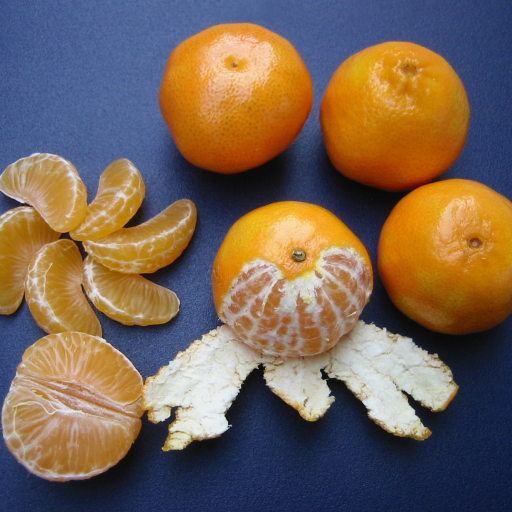
- 🍊 The "Zipper" Fruit: The fruit is smaller than a standard orange, boasting a bright, pebbly rind that is notably loose and easy to peel away from the juicy segments.
🏡 In Your Garden
- ☀️ Sun-Seeker Nuance: While it craves intense light, the Clementine is notoriously sensitive to "wet feet." It requires sandy, well-draining soil because its fine root system will quickly suffocate and rot if left in standing water.
- ✂️ Light Penetration: Pruning is essential not just for height, but for "opening" the tree. Thinning the inner branches allows sunlight to reach the center of the canopy, ensuring the fruit develops its high sugar content and signature deep orange color.
⚠️ Safety & Toxicity
- 🐾 Pet Alert: While the fruit is a healthy, Vitamin C-packed treat for humans, the essential oils and psoralens found in the leaves, peel, and stems are toxic to dogs, cats, and horses.
- 🤢 Potential Reaction: Ingestion by pets can lead to vomiting, diarrhea, or even photosensitivity, where their skin becomes dangerously sensitive to sunlight. Keep the fallen leaves away from curious nibblers.
✨ Fun Fact
Clementines are naturally seedless because they are "self-incompatible." This means if a tree is grown in an isolated orchard, it cannot pollinate itself to produce seeds. However, if a bee accidentally brings pollen from a nearby lemon or grapefruit tree, the "seedless" Clementine will suddenly grow seeds!

Detailed Care Instructions
To grow a Citrus Clementina plant, also known as the Clementine plant, you can follow these steps:
- Choose a suitable location: Ensure that the plant receives at least 6-8 hours of direct sunlight each day. It should be planted in well-draining soil with a pH between 6.0 and 7.5.
- Select the right container or planting area: If you're growing it in a container, make sure it has adequate drainage holes to prevent waterlogging. The container should also be large enough to accommodate the plant's root system. If planting outdoors, choose a spot with good air circulation.
- Prepare the soil: The soil should be rich in organic matter. Before planting, amend it with well-rotted compost or aged manure to improve its fertility and drainage.
- Plant the Clementine tree: Dig a hole slightly larger than the root ball or container. Gently place the tree into the hole, ensuring that the top of the root ball is slightly above the soil level. Backfill the hole with soil, pressing it down gently to remove any air pockets. Water the tree thoroughly after planting.
- Watering: Citrus Clementina plants prefer regular watering but do not like sitting in soggy soil. Water deeply, allowing the soil to dry out slightly between waterings. Adjust the frequency based on the weather conditions and the plant's water needs. Avoid overwatering, as it can lead to root rot.
- Fertilizing: Feed the plant regularly with a citrus-specific fertilizer. Follow the manufacturer's instructions for application rates and timings. Fertilize during the active growing season, typically spring and summer.
- Pruning: Prune the Clementine plant to maintain its shape, improve airflow, and remove any dead or diseased branches. Pruning is best done in late winter or early spring before new growth begins.
- Pest and disease control: Monitor the plant regularly for pest infestations such as aphids, spider mites, or citrus leaf miners. Use organic or chemical controls as necessary. Treat any fungal or bacterial diseases promptly with appropriate sprays or treatments.
- Cold protection: If you live in an area with freezing temperatures, take measures to protect the tree during winter. Consider bringing it indoors or covering it with frost blankets or burlap. Be sure to remove the covers during the day to allow access to sunlight.
By following these steps and providing the necessary care, you can successfully grow a Citrus Clementina plant and enjoy its delicious fruits.
When watering this type of plant, it is important to ensure that the soil stays consistently moist but not waterlogged. Avoid letting the soil dry out completely between waterings, as this can stress the plant and lead to leaf drop. It is also important to water the plant deeply, allowing the water to reach the roots. During hot and dry weather, the plant may need to be watered more frequently. However, be careful not to overwater, as this can lead to root rot and other issues. One way to determine if the plant needs water is to stick your finger about an inch into the soil. If it feels dry at that depth, the plant likely needs water. Finally, it is important to ensure proper drainage for the plant, as standing water can also lead to root rot.
- Choose a fertilizer with an N-P-K ratio of 2-1-1 or 3-1-1.
- Apply the fertilizer once every two to three months during the growing season (spring and summer) and once in fall.
- Use a slow-release fertilizer or organic fertilizer to avoid burning the roots.
- Apply the fertilizer evenly around the drip line of the plant and water thoroughly.
- Avoid applying fertilizer to the trunk of the tree.
- Adjust the fertilizer amount based on the plant's growth and any nutrient deficiencies.
- Monitor soil pH levels and adjust if needed to ensure the plant can absorb nutrients efficiently.
- Always follow the fertilizer manufacturer's instructions and avoid over-fertilizing.
The Citrus Clementina plant requires a well-draining, acidic soil with a pH range of 5.5 to 6.5. A soil mix that contains a blend of organic matter such as compost or peat moss and a loamy soil that consists of sand, silt, and clay would be suitable for growing the plant. The soil should be kept moist but not waterlogged to avoid root rot. Adding perlite to the soil mixture can help improve drainage. Fertilizer containing nitrogen, phosphorus, and potassium should also be added to the soil periodically to promote healthy growth.
To propagate the plant, first take a cutting from a healthy and mature plant. The cutting should be about 4-6 inches long and have several leaves on it. Next, remove any leaves from the lower half of the cutting and dip the cut end in rooting hormone. Plant the cutting in a well-draining soil mixture and water thoroughly. Keep the soil consistently moist and provide bright, indirect light. In about 4-6 weeks, roots should start to form and the cutting can be transplanted into a larger pot or planted in the ground.








