Plant Overview
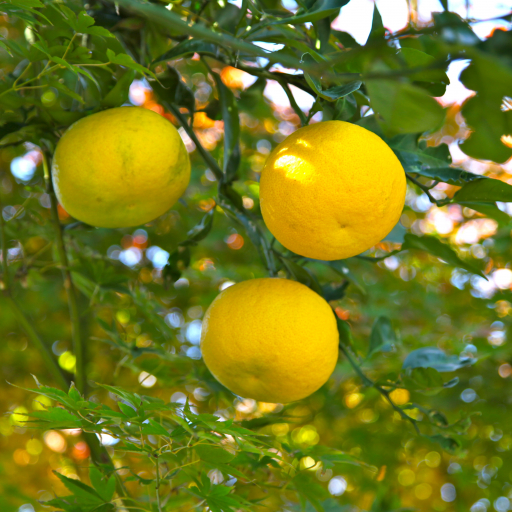
Known globally as Yuzu, this hardy citrus is a staple of East Asian culinary traditions and wellness rituals. It is a natural hybrid, believed to be a cross between a sour mandarin and the ancient Ichang papeda. While most citrus trees crave tropical heat, the Yuzu is a rugged survivor that brings a heavenly, grapefruit-and-lime fragrance to even the chillier corners of the garden.
🔍 How to Identify
- 🍃 Winged Leaves: Look closely at the leaf stem (petiole); it has wide "wings" that make it look like a smaller leaf is growing directly out of the base of a larger one.
- 🍋 Bumpy Rind: The fruit is roughly the size of a tangerine but has a thick, uneven, and deeply dimpled skin that turns from forest green to a brilliant gold when ripe.
- ⚔️ Formidable Thorns: Be careful when reaching into the canopy! Yuzu trees are famous for their long, sharp, and very stiff thorns that protect the branches.
🏡 In Your Garden
- ❄️ The Frost Fighter: Yuzu is remarkably cold-hardy compared to lemons or limes. It can often survive temperatures as low as -9°C (15°F), meaning gardeners in temperate climates can enjoy "backyard citrus" without a greenhouse.
- ⏳ Patience is a Virtue: This tree is a slow grower. If you plant it from a seed, it may take 10 to 15 years to produce fruit. For this reason, most home gardeners choose "grafted" trees to get a harvest within a few seasons.
- 💧 Drainage is Key: While it loves moisture, its roots are sensitive to "wet feet." Plant it in well-draining soil, ideally on a slight slope or in a raised bed, to keep the root system happy.
⚠️ Safety & Toxicity
- 🐾 Pet Warning: Like most citrus species, the essential oils (limonene) and psoralens found in the fruit and leaves are toxic to dogs, cats, and horses if ingested in large quantities, potentially causing digestive upset or skin sensitivity.
- 🧤 Physical Hazard: The thorns are no joke. They are sharp enough to puncture skin easily, so always wear thick gardening gloves when pruning or harvesting.
✨ Fun Fact
In Japan, it is a centuries-old tradition to take a "Yuzuyu" (Yuzu bath) on the Winter Solstice. Whole fruits are floated in hot bathwater to release their oils, which is said to ward off winter colds, soothe dry skin, and relax the mind with its intense citrus perfume.

Detailed Care Instructions
| Color | White |
| Soil Ph | 6.0-7.0 |
| Humidity | Normal |
| Lighting | Full Sun |
| Toxicity | Toxic |
| Soil Type | Well-Drained, Fertile |
| Bloom Time | Spring |
| Difficulty | Medium |
| Plant Type | Broadleaf Evergreen, Perennial |
| Hibernation | Cold Period |
| Mature Size | 8 To 12 Feet Tall |
| Native Area | Asia |
| Temperature | 15°C - 30°C |
| Sun Exposure | Full Sun |
| Hardiness Zones | 7-11 |
Here are some steps you can take to grow a Citrus Junos plant:
- Choose a suitable location: Citrus Junos plants prefer plenty of sunlight, so select a spot that receives at least 6-8 hours of direct sunlight per day.
- Prepare the soil: Citrus Junos plants thrive in well-draining soil. Ideally, use a sandy loam soil that is rich in organic matter. If the soil is heavy or clay-based, consider improving the drainage by adding organic matter or sand.
- Planting: Dig a hole that is slightly larger than the root ball of the plant. Place the plant in the hole, making sure the soil level is just above the root ball. Fill the hole with soil, gently patting it down to remove any air pockets. Water the plant thoroughly after planting.
- Watering: Citrus Junos plants need regular and consistent watering. The soil should be kept evenly moist but not waterlogged. Water deeply once or twice a week, depending on the weather and the soil's moisture level. Avoid overwatering, as it can cause root rot.
- Fertilization: Citrus Junos plants benefit from regular fertilization. Use a slow-release citrus fertilizer or a balanced fertilizer specifically formulated for citrus plants. Follow the package instructions for application rates and frequency. Apply the fertilizer during the growing season, typically from early spring to late summer.
- Pruning: Prune the Citrus Junos plant to maintain its shape and remove any dead, damaged, or crossing branches. Pruning also helps improve airflow and sunlight penetration, promoting healthy growth. Prune in late winter or early spring, before new growth emerges.
- Pest and disease control: When growing Citrus Junos plants, watch out for common citrus pests such as aphids, scale insects, and citrus leaf miners. Regularly inspect the plant for any signs of pest infestation or disease, and take appropriate measures to control them. You can use organic pest control methods or consult with a local gardening expert for assistance.
- Harvesting: Depending on the variety, Citrus Junos fruits are typically ready for harvest in late autumn or winter. The fruits should have a bright yellow or orange color and a strong aroma. Gently twist or cut the fruits from the tree when they are fully ripe.
Remember to research the specific variety of Citrus Junos plant you have or intend to grow, as different varieties may have slightly different care requirements.

Place in a bright room that is sun drenched almost all day. Or directly in a south-facing window.

To water this plant, it is important to ensure that the soil is consistently moist but not waterlogged. One way to achieve this is to allow the top layer of soil to dry out slightly before watering again. It is also recommended to water deeply and infrequently rather than lightly and frequently. When watering, make sure to avoid getting water on the foliage as this can lead to fungal growth. It is best to water in the morning or early evening to minimize evaporation and reduce the risk of heat stress. Additionally, using a well-draining soil mix and adding a layer of mulch on top can help retain moisture and improve the plant's overall health.
- Before fertilizing, make sure the soil is moist but not waterlogged.
- Choose a balanced fertilizer with equal amounts of nitrogen, phosphorus, and potassium.
- Apply the fertilizer evenly around the base of the plant and avoid getting it on the leaves.
- Use a garden fork or rake to work the fertilizer into the top layer of soil.
- Water the plant thoroughly after fertilizing to help the nutrients reach the roots.
- Fertilize every 4-6 weeks during the growing season, which is typically from spring to fall.
- Reduce or stop fertilizing during the winter months when the plant is dormant.
- Avoid over-fertilizing, which can lead to burn or damage to the roots.
- Monitor the plant for signs of nutrient deficiencies, such as yellowing leaves, and adjust your fertilizing schedule as needed.
Citrus Junos is a type of citrus plant that requires well-draining, slightly acidic soil for optimal growth. The soil should be rich in nutrients such as nitrogen, phosphorus, and potassium, but not overly fertile as this can lead to poor fruit quality. It is important to avoid heavy clay soils and soils with poor drainage as this can lead to root rot and other diseases. A soil mixture containing peat moss, perlite, and sand can provide the ideal balance of water retention and drainage. Adding a layer of organic mulch around the base of the plant can help conserve moisture and improve soil fertility over time.
Citrus Junos is a type of citrus fruit tree that can be propagated through various methods, including seed propagation, grafting, budding, and air layering.
Seed propagation requires collecting fresh seeds from ripe fruits and planting them in well-draining soil. The seeds should be kept moist and warm until they sprout, and once they do, they should be transplanted into larger pots or containers until they are big enough to be planted outside. Keep in mind that seed propagation may not produce fruit that is true to the parent plant.
Grafting involves taking a cutting from the desired plant and grafting it onto another compatible rootstock plant. Essentially, the rootstock provides the base for the new plant, while the cutting provides the desired fruit. This method requires some expertise and skill, as it involves cutting and joining plant tissues together.
Budding is a similar method to grafting, but instead of taking a cutting, a bud is used to transfer the desired plant's genetics onto the rootstock. The process involves making a small T-shaped cut on the rootstock, inserting a bud from the desired plant, and sealing it with grafting tape.
Air layering involves creating a small wound on a lower portion of the main plant's stem and covering it with moist sphagnum moss or peat moss. The covered area is then wrapped in plastic to keep it moist, and roots will develop from the wound over time. Once the roots have developed enough, the new plant can be separated from the parent plant and planted on its own.
Regardless of the propagation method chosen, it is important to keep the new plant healthy and well-nourished to ensure good growth and fruit production.
Common pests of the yuzu include Scale insect, mealybugs, spider mites, aphids. Make a habit of checking your yuzu frequently for pests so that any infestations can be caught and managed early.








