Plant Overview
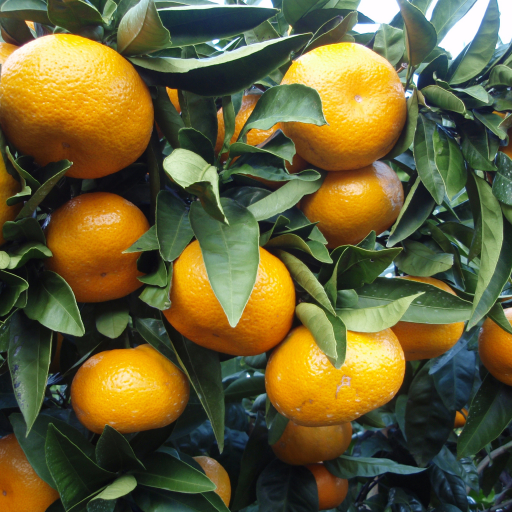
Known as the King Mandarin or Tangor, Citrus nobilis is the refined result of a natural love affair between a sweet orange and a mandarin. This "noble" citrus has been a staple in royal gardens across Southeast Asia for centuries, prized for its thick, bumpy skin that hides an explosion of sweet-tart juice. It is the perfect choice for a gardener wanting the easy-peeling nature of a mandarin combined with the robust, complex flavor of a classic orange.
🔍 How to Identify
- 🍃 Lush Foliage: Features broad, glossy evergreen leaves that remain a deep, waxy green year-round, giving the tree a dense, ornamental appearance.
- 🍊 The "King" Fruit: The fruit is distinctive for its flattened globe shape and thick, somewhat "pebble-textured" skin that often stays yellowish-green even when the pulp inside is ripe.
- 🌸 Heavenly Blooms: During the blooming season, the tree produces clusters of small, star-shaped white flowers that emit an intoxicatingly sweet citrus perfume.
🏡 In Your Garden
- ☀️ Sun-Soaked Success: To produce high-quality, sweet fruit, this tree requires a "full sun" lifestyle. Without at least 6 to 8 hours of direct light, the fruit may remain small and excessively acidic.
- 💧 The Drainage Rule: The King Mandarin hates "wet feet." It thrives in slightly acidic, sandy soil that drains quickly. If you are planting in a pot, ensure there are plenty of drainage holes to prevent the dreaded root rot.
- 🌬️ Airflow is Key: Because the canopy grows quite thick, occasional thinning of the inner branches is recommended. This allows light and air to reach the center, discouraging pests like scale and aphids from setting up camp.
⚠️ Safety & Toxicity
- ✅ Safe for Humans: The fruit is non-toxic, delicious, and a fantastic source of Vitamin C and dietary fiber.
- 🐾 Pet Caution: While the fruit is safe for us, the essential oils (limonene and linalool) found in the leaves, stems, and rinds are toxic to dogs, cats, and horses. Ingestion can lead to digestive upset or skin irritation in sensitive pets.
✨ Fun Fact
The name "Tangor" is a linguistic mash-up! It is a portmanteau that combines the "Tang" from Tangerine and the "Or" from Orange, perfectly describing its hybrid genetic heritage.

Detailed Care Instructions
To grow Citrus Nobilis, also known as mandarin orange or tangerine, you can follow these steps:
- Choose a suitable location: Mandarin oranges require a sunny location with at least 6-8 hours of direct sunlight per day. They prefer well-draining soil, so ensure the soil is loose, rich in organic matter, and has a pH level between 6 and 8.
- Propagation: There are three common methods for propagating mandarin oranges: by seeds, by cutting, or by grafting. Grafting is the most reliable and recommended method as it ensures the growth of a desirable variety. If you choose to propagate by seeds, plant them in a pot filled with potting mix, leaving about half of the seed uncovered. Keep the soil moist and germination should occur within 2-4 weeks.
- Planting: If you are not starting from seeds, choose a healthy mandarin orange sapling from a reputable nursery. Dig a hole in the ground that is slightly larger and deeper than the root ball. Place the sapling in the hole, ensuring the top of the root ball is level with or slightly above the soil surface. Fill the hole with soil, gently pressing it down to remove air pockets, and water thoroughly.
- Watering: Water the plant consistently, but avoid overwatering or letting the soil dry out completely. Provide enough water to keep the soil slightly moist, and reduce watering during colder months when growth slows down.
- Fertilizing: Mandarin oranges benefit from regular feeding with a balanced citrus fertilizer. Apply the fertilizer according to the manufacturer's instructions, typically every 2-3 months during the growing season, from spring to early fall.
- Pruning: Prune the plant to maintain a desirable shape and remove any dead, damaged, or crossing branches. Pruning in late winter or early spring before new growth appears is generally recommended.
- Protection: Protect the plant from frost damage, especially in colder climates. Cover the plant with a frost blanket or move it indoors during freezing temperatures.
- Pest and disease control: Monitor the plant for pests like aphids, scale insects, or mites. Treat infestations promptly using organic or chemical pesticides, if necessary. Additionally, practice good sanitation habits, such as removing fallen leaves, to prevent the spread of diseases.
- Harvesting: Depending on the variety, mandarin oranges are typically ready for harvest within 8-12 months. They are ready when the fruits are fully colored and firm to touch. Gently twist or cut the fruits from the plant to avoid damaging the branches.
Remember to research and select a mandarin orange variety suitable for your climate, as certain varieties may require specific growing conditions.

Place in a bright room that is sun drenched almost all day. Or directly in a south-facing window.

Citrus Nobilis is a type of plant that requires frequent and consistent watering to thrive. It is important to keep the soil evenly moist, but not waterlogged, to prevent root rot. The plant should be watered deeply, allowing the water to penetrate the soil and reach the root system. It is recommended to water this plant regularly, especially during dry periods or in hot conditions. Additionally, it is important to avoid getting water on the leaves or fruit of the plant, as this can lead to disease and damage. When watering, it is best to pour the water directly into the soil at the base of the plant, rather than spraying water over the entire plant.
- Choose a balanced fertilizer with equal parts nitrogen, phosphorus, and potassium.
- Apply fertilizer in early spring before new growth emerges and again in late summer.
- Follow the dosage instructions on the fertilizer package and do not over-fertilize.
- Water the plant thoroughly before and after fertilizing to prevent burning the roots.
- Spread the fertilizer evenly around the base of the plant, but avoid getting it on the leaves or stems.
- Use a rake or cultivator to lightly work the fertilizer into the soil surface.
- Mulch around the plant to help retain soil moisture and slow-release nutrients.
- Monitor the plant for any signs of nutrient deficiency or excess, such as yellowing leaves or stunted growth, and adjust fertilization as needed.
The ideal soil for the plant requires a well-draining mixture with a pH of 5.5-7.0. It should have a blend of organic soil conditioner, sand, and perlite or vermiculite to provide proper aeration and drainage while retaining moisture. The soil should be rich in nutrients, particularly nitrogen, phosphorus, and potassium, to support the tree's growth and fruit development. It is crucial to avoid compacted soil, which can lead to waterlogged roots that may rot. Additionally, the soil should be slightly acidic to neutral in pH, as alkaline soils may cause nutrient deficiencies and stunted growth.
The propagation of Citrus Nobilis plants can be done through stem cuttings or grafting. Stem cuttings should be taken from a healthy and mature plant, preferably during the months of May and June. The cutting should be taken from the new growth and should be about 15-20 cm long with at least 4-5 leaves.
The lower leaves should be removed, and the cutting should be dipped in rooting hormone and planted in well-draining soil. It should be kept in a humid environment with indirect sunlight. The soil should be watered regularly to keep it moist but not waterlogged. Once roots have developed, the plant can be transferred to a bigger pot or planted in a garden.
Grafting is another method for propagating Citrus Nobilis plants. It involves taking a healthy stem from the desired variety of Citrus Nobilis and grafting it onto a rootstock of a different citrus plant. This method helps to produce a more robust and disease-resistant plant. However, grafting should be done by a professional or experienced gardener as it requires precision and expertise.
Overall, propagation of Citrus Nobilis plants through stem cuttings or grafting can be a rewarding and cost-effective way to start a new plant or expand an existing collection. With proper care and attention, the new plant can produce delicious and nutritious fruits for years to come.








