Plant Overview
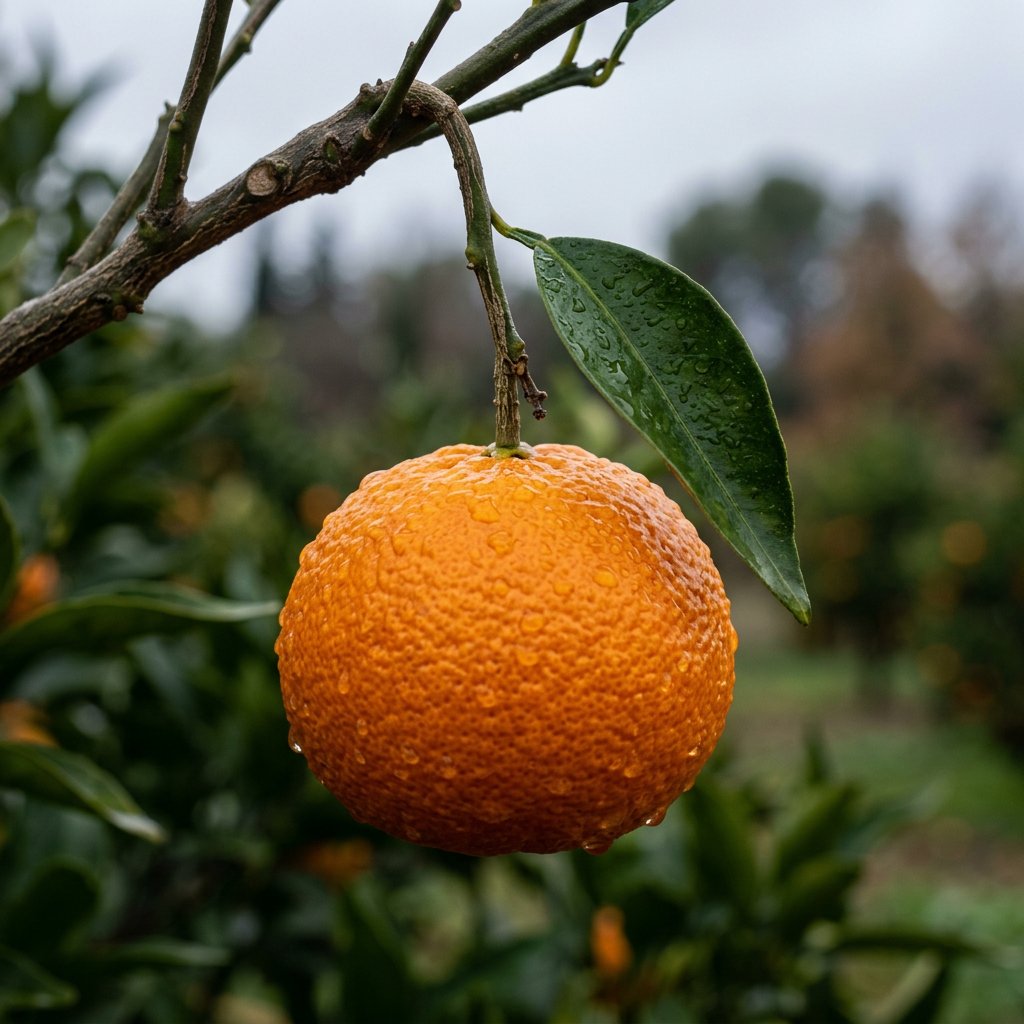
The Citrus reticulata, or more famously the Mandarin Orange, is the sweet, easy-peeling ancestor of many modern citrus hybrids. Originating in South China, this small, evergreen tree is a global symbol of abundance and good fortune, frequently gifted during the Lunar New Year. Its dense, glossy canopy and intoxicatingly fragrant white blossoms make it a favorite for home orchards and Mediterranean-style gardens alike.
🔍 How to Identify
- 🍃 Foliage: The leaves are dark green, glossy, and lance-shaped, featuring narrow wings on the petioles (leaf stalks) that distinguish them from some of their citrus cousins.
- 🌸 Blossoms: Small, star-shaped white flowers appear in clusters; they are prized for their intense, sweet perfume that can fill an entire garden during the spring bloom.
- 🍊 The Fruit: Mandarins are typically smaller and more "oblate" (flattened at the ends) than standard oranges, featuring a loose, pebbly skin—often called a "zipper skin"—that pulls away easily from the segments.
🏡 In Your Garden
- ☀️ Sun & Space: While they love soaking up the sun, Mandarins are famously more cold-hardy than lemons or limes. However, they still require a sheltered spot away from harsh winds, which can scar the delicate fruit.
- 🪴 Container Potential: Because they are naturally smaller trees, many varieties thrive in large pots. Just be mindful of their "thrifty" root systems; they prefer consistent moisture but will suffer quickly from "wet feet" if the soil doesn't drain perfectly.
- ✂️ Pruning Nuance: These trees tend to become very dense. Lightly thinning the interior branches helps airflow and sunlight reach the center of the tree, which prevents fungal issues and encourages even ripening.
⚠️ Safety & Toxicity
- 🟢 Status: Generally safe for humans and a healthy source of Vitamin C.
- 🐾 Pets: Like most citrus, the essential oils (limonene and linalool) and psoralens found in the leaves, stems, and fruit peels are toxic to dogs, cats, and horses. Ingestion can lead to digestive upset or photosensitivity, so keep your furry friends away from the fallen leaves and rinds.
✨ Fun Fact
The Mandarin is one of the few "original" citrus species found in nature. Genetic testing has revealed that most of the citrus we eat today—including sweet oranges, grapefruits, and even lemons—are actually ancient hybrids that can trace their family tree directly back to the humble Mandarin.

Detailed Care Instructions
| Color | Orange |
| Soil Ph | 6.0-7.5 |
| Lighting | Full Sun |
| Toxicity | Toxic |
| Soil Type | Rich, Moist |
| Bloom Time | Spring |
| Plant Type | Tree |
| Mature Size | Up To 20 Feet Tall |
| Native Area | China |
| Sun Exposure | Full Sun |
| Hardiness Zones | 8-11 |
To grow a Citrus Reticulata plant, also known as a mandarin or tangerine tree, follow these steps:
- Climate: Ensure that you live in a region with a suitable climate for growing citrus trees. Citrus Reticulata plants thrive in warm, subtropical, or Mediterranean climates with mild winters and hot summers.
- Choose a healthy plant: Purchase a healthy Citrus Reticulata plant from a reliable nursery or garden center. Look for a young, well-branched plant with vibrant green leaves and no signs of pest infestation or disease.
- Planting: Select a well-draining soil mix that is rich in organic matter. Dig a hole in a sunny location, about twice the size of the plant's root ball. Place the plant in the hole, ensuring that the top of the root ball is level with or slightly above the soil surface. Backfill the hole with soil, gently firming it around the plant's base.
- Watering: Provide regular irrigation to keep the soil consistently moist but not waterlogged. Citrus Reticulata plants typically require deep watering once or twice a week, depending on the climate and soil conditions. Adjust watering frequency according to the weather and the moisture levels in the soil.
- Fertilizing: Feed the plant regularly with a balanced citrus fertilizer to ensure healthy growth and fruit production. Follow the manufacturer's instructions for the appropriate dosage and application method. Apply fertilizer in early spring and again in late summer.
- Pruning: Prune Citrus Reticulata trees to maintain shape, remove dead or diseased branches, and improve airflow within the canopy. Pruning should be done in late winter or early spring before new growth emerges. Avoid excessive pruning, as it may delay fruiting.
- Pest and disease management: Monitor the plant for any signs of pests like aphids, scale insects, or citrus leaf miners. Use organic or appropriate insecticides if necessary and follow the instructions carefully. Watch out for diseases like citrus canker or greasy spot and take prompt action if detected.
- Cold protection: If you live in a region prone to frost or cold winters, take measures to protect your Citrus Reticulata plant during cold spells. Cover the plant with a frost blanket, move it indoors, or provide insulation using straw or other materials.
- Harvesting: Depending on the variety, Citrus Reticulata fruit typically reaches maturity 7-12 months after flowering. Harvest the fruit when it reaches its desired color and flavor. Gently twist the fruit or use pruning shears to sever the stem without damaging the plant.
By following these steps and providing proper care, you can successfully grow Citrus Reticulata plants and enjoy their delicious fruits.

Place in a bright room that is sun drenched almost all day. Or directly in a south-facing window.

To water this particular plant, it is important to thoroughly soak the soil until the water begins to drain out of the drainage holes at the bottom of the container or planting area. It is recommended to water the plant deeply once a week, making sure that the surrounding soil dries out slightly before watering again. This will prevent over-watering and root rot. It is also important to avoid getting water on the leaves as this can lead to fungal diseases. Additionally, it is advisable to use room temperature water to prevent shocking the roots with cold water.
To fertilize this plant, use a citrus-specific fertilizer that is high in nitrogen, phosphorus, and potassium. Apply the fertilizer during the growing season, which typically occurs in the spring and summer months. Be careful not to over-fertilize, as this can lead to burning of the roots and other damage. Water the plant thoroughly after fertilizing.
For the Citrus Reticulata plant, it is important to use a well-draining soil that is rich in organic matter. The soil should be acidic with a pH range of 5.5 to 6.5. A mix of peat moss, perlite, and pine bark can be used for optimal drainage and nutrient retention. Additionally, it is recommended to add a slow-release fertilizer to the soil to provide necessary nutrients for the plant's growth and development. When planting, ensure that the soil is evenly moist but not waterlogged to prevent root rot.
The propagation process of this plant involves taking a stem cutting from a healthy mother plant. The cutting should be about 4-6 inches in length, and taken from the tip of a branch that has at least three leaves. The cutting should be made just below a node with a sharp, sterile blade.
Once the cutting is taken, the lower leaves should be removed and the wound at the bottom of the cutting should be dipped in rooting hormone. The cutting should then be planted in a well-draining potting mix, with about two-thirds of the cutting buried in the soil. The soil should be kept moist, but not waterlogged, and the cutting should be placed in a warm, bright location with indirect sunlight.
After a few weeks, the cutting should start to form roots and new growth. At this point, the plant can be gradually acclimatized to more direct sunlight and dried a little more between waterings. When the new plant has grown several inches and has developed several new leaves, it can be transplanted into a larger container and eventually into the ground if desired.
Common pests of the tangerine include Scale insect, mealybugs, spider mites, aphids. Make a habit of checking your tangerine frequently for pests so that any infestations can be caught and managed early.








