Plant Overview
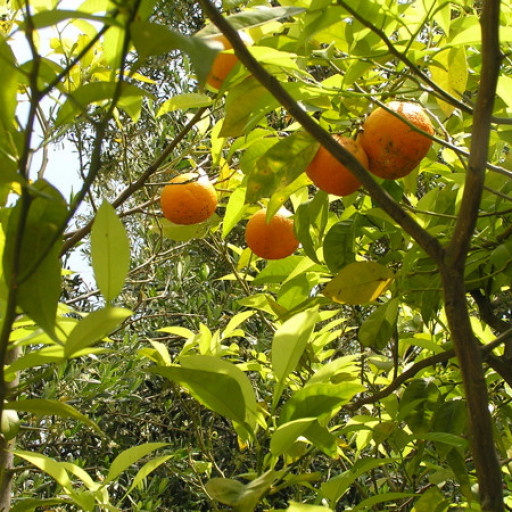
Often called the Seville Orange or Sour Orange, this ancient hybrid—a cross between a Pomelo and a Mandarin—is the "soul" of the Mediterranean garden. While its fruit is famously too tart to eat fresh, it is the legendary secret behind the world’s finest marmalades and the signature scent of high-end perfumes. It is a rugged, beautiful evergreen that bridges the gap between a decorative ornamental and a culinary powerhouse.
🔍 How to Identify
- 🍃 Winged Leaves: Look closely at the leaf stem (petiole); it has wide, heart-shaped "wings" that make the leaf look like two leaves joined together.
- 🌸 Fragrant Blossoms: The white flowers are intensely aromatic, slightly larger than those of a sweet orange, and feature prominent yellow anthers.
- 🍊 Rugged Fruit: The oranges are smaller and have a much thicker, bumpier, and more pitted skin compared to the smooth oranges found in grocery stores.
🏡 In Your Garden
- 🌳 The "Iron" Rootstock: Because this species is incredibly hardy and resistant to many soil-borne diseases, it is frequently used as the "base" or rootstock onto which more delicate citrus varieties are grafted.
- 🥣 Culinary Niche: This plant doesn't want to be a snack; it wants to be an ingredient. The high pectin content in the peel makes it the gold standard for preserves, while the juice is a staple in Caribbean marinades (Mojo).
⚠️ Safety & Toxicity
- ☀️ Photosensitivity: The oils in the peel contain bergapten. If the juice or oil gets on your skin and you go into the sun, it can cause a red, itchy rash or "sunburn" known as phytophotodermatitis.
- 🐾 Pet Safety: Like all citrus, the fruit, leaves, and stems contain essential oils and psoralens that are toxic to dogs, cats, and horses if ingested in significant quantities.
✨ Fun Fact
The blossoms of the Bitter Orange are the primary source of Neroli oil. It takes about 1,000 pounds of these hand-picked flowers to produce just one pound of the essential oil used in luxury fragrances!

Detailed Care Instructions
To grow Citrus X Aurantium, also known as bitter orange or Seville orange, follow these steps:
- Location: Choose a sunny spot for your plant as it requires at least six hours of direct sunlight daily. It can also tolerate part shade, but full sun is ideal.
- Climate: Citrus X Aurantium is best suited for USDA hardiness zones 9-11. It prefers warm temperatures and can withstand mild cold, but it may need frost protection in colder regions.
- Soil: The plant prefers well-draining soil with a slightly acidic to neutral pH (around 6.0-7.0). If your soil is heavy or clayey, amend it with organic matter like compost to improve drainage.
- Planting: Dig a hole that is twice as wide and deep as the root ball of your citrus tree. Gently remove the plant from its container and place it in the hole. The graft union, a bulge on the base of the tree, should remain above the soil level. Backfill the hole with soil, firming it gently around the roots.
- Watering: Citrus trees like consistent moisture, but they don't like to sit in waterlogged soil. Water deeply and thoroughly when the top few inches of soil become dry, but make sure the excess water drains away. Mulching around the base of the tree can help retain soil moisture.
- Fertilizing: Citrus trees benefit from regular feeding. Use a balanced citrus fertilizer or a slow-release fertilizer specifically formulated for citrus plants according to the package instructions. Apply the fertilizer in spring and late summer.
- Pruning: Prune citrus trees to maintain a desirable shape and remove any dead, damaged, or crossing branches. You can also remove suckers and water sprouts to enhance the tree's overall health.
- Pests and Diseases: Watch out for common citrus pests like aphids, scale insects, and citrus leaf miners. Regularly inspect your plant and address any pest problems promptly. Diseases to be aware of include citrus canker, citrus greening, and phytophthora root rot. Consult local gardening resources for specific guidance on pest and disease control in your area.
- Harvesting: Depending on the variety, citrus fruits typically ripen in late fall to winter. Harvest the oranges when they have turned a bright orange color. They can be harvested individually by snipping them off the tree with pruners or by gently twisting them until they detach.
Remember that citrus trees are generally slow to mature and may take a few years to bear fruit. Patience and consistent care will eventually reward you with beautiful oranges from your Citrus X Aurantium plant.

Place in a bright room that is sun drenched almost all day. Or directly in a south-facing window.

When watering this plant, it is important to ensure that the soil is adequately moist, but not waterlogged. This can be achieved by watering the plant deeply and thoroughly, allowing the excess water to drain away from the soil. It is important to check the soil moisture levels regularly, as the plant may require more or less water depending on the weather and its growth stage. Watering should be done early in the morning or late in the evening, to avoid water evaporation due to heat and sunlight. Additionally, it is important to use the appropriate type of watering method such as a drip irrigation system or a watering can, in order to avoid watering the foliage. Foliage watering can encourage disease and pests growth on the leaves.
To fertilize this plant, you should use a slow-release, specialized fertilizer that is high in nitrogen, phosphorus, and potassium. Apply the fertilizer evenly around the plant, making sure to keep it away from the trunk or stem. Water the plant thoroughly after applying the fertilizer to help it absorb the nutrients. Fertilize the plant once every two to three months during the growing season, but refrain from fertilizing during the winter months when the plant is dormant.
Citrus X Aurantium plants prefer to be grown in well-draining soil that is rich in organic matter. The soil should have a pH between 5.5 and 7.5. It is recommended to use a soil mixture that contains peat moss, perlite or vermiculite, and compost. The soil mixture should not contain any heavy clay as it can lead to waterlogging and root rot. The plants also require regular fertilization with a citrus-specific fertilizer to promote healthy growth and fruit production.
One way to propagate this plant is through stem cuttings. First, select a healthy, mature stem with no signs of disease or damage. Using a clean and sharp pair of pruning shears, make a diagonal cut just below a node, which is where a leaf attaches to the stem. Remove any leaves or flowers from the stem, leaving only a few at the top.
Next, dip the cut end of the stem into a rooting hormone powder or gel. This will encourage new root growth. Then, plant the stem cutting in a well-draining potting mix and water thoroughly. Cover the pot with a clear plastic bag to create a mini greenhouse and place it in a bright, but indirect light.
Check the soil moisture regularly and mist the cutting with water if it becomes dry. After a few weeks, you should start to see new growth and roots forming. Once the cutting has established roots, you can transplant it into a larger pot or into the ground.
Another method of propagation is through seed. Collect the seeds from ripe fruit and soak them in water for a few hours before planting them in a well-draining potting mix. Keep the soil moist and place the pot in a warm, bright location. Germination may take several weeks to a few months.
It's important to note that since this plant is a hybrid, it may not produce true to type from seed. This means that the resulting plants may not have the same characteristics or flavor as the parent plant.
Common pests of the orange include Scale insect, mealybugs, spider mites, aphids. Make a habit of checking your orange frequently for pests so that any infestations can be caught and managed early.







