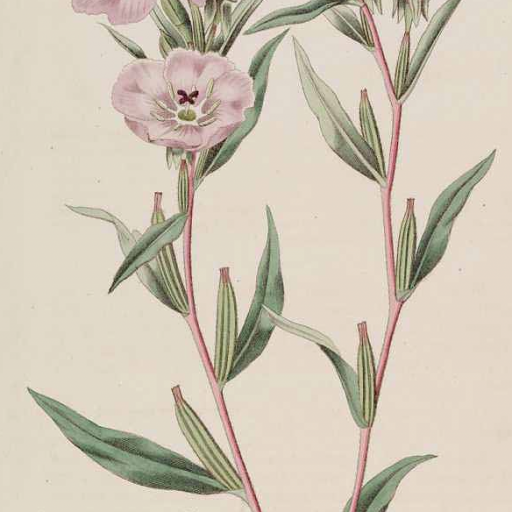
Plant Overview
Known affectionately as the Winecup Clarkia, this vibrant wildflower is a jewel of the Western United States. It paints hillsides and meadows in shades of lavender and deep burgundy during the transition from spring to summer. It is a favorite for "meadow-scaping" because it is incredibly hardy and bridges the gap between early spring blooms and the intense heat of mid-summer.
🔍 How to Identify
- 🌸 Petal Pattern: Four broad, fan-shaped petals that overlap to form a delicate cup. Most varieties feature a distinctive dark purple or red "splotch" near the center of each petal, earning it the name "Four-spot Clarkia."
- 🍃 Slender Foliage: The leaves are narrow, lance-shaped, and tend to sit quietly against the stem, allowing the upright flowers to take center stage.
- 📏 Growth Habit: A dainty annual that stands upright, usually reaching 1 to 3 feet in height. Its stems are often reddish, adding a subtle pop of color even before the buds open.
🏡 In Your Garden
- 🌱 The Taproot Secret: This plant develops a deep taproot very quickly to seek out moisture. Because of this, it hates being transplanted; it is best to sow seeds directly into the soil where you want them to stay rather than starting them in pots.
- 🔄 Self-Seeding Wonder: While it lives for only one season, it is a prolific seed producer. If you leave the dried seed pods alone at the end of the summer, the plant will "plant itself" and return in greater numbers the following year.
- 🦋 Pollinator Magnet: The open cup shape is like a landing pad for native bees and butterflies. It is an essential nectar source for specialized "Clarkia bees" that have evolved specifically to forage from this genus.
⚠️ Safety & Toxicity
- ✅ Safe Status: Clarkia purpurea is generally considered non-toxic and is not known to be poisonous to humans or livestock.
- 🐾 Pet Friendly: It is a safe addition to a pet-friendly yard. While it won't harm your dog or cat if they take a curious nibble, consuming any plant material in large quantities can still lead to minor digestive upset.
✨ Fun Fact
🛶 Exploration History: The genus Clarkia was named in honor of Captain William Clark of the Lewis and Clark Expedition. He first collected specimens of this genus in the early 1800s while documenting the flora of the American frontier.

Detailed Care Instructions
To grow Clarkia purpurea plants, follow these steps:
- Select a suitable location: Choose a spot that receives full sun to partial shade. Clarkia purpurea prefers well-draining soil.
- Soil preparation: Prepare the soil by removing any weeds or rocks, and loosen it with a garden fork or tiller. Add organic matter, such as compost or well-rotted manure, to improve soil fertility and drainage.
- Sowing seeds: Scatter the Clarkia purpurea seeds evenly over the prepared soil surface. Gently press the seeds into the soil, but do not cover them with more than a thin layer of soil, as they require light to germinate.
- Watering: Keep the soil consistently moist, but not waterlogged, during the germination and early growth stages. Use a spray bottle or misting wand to avoid disturbing the seeds or seedlings. Once established, water the plants regularly, especially during dry spells.
- Thin out seedlings: When the seedlings are around 1-2 inches tall, thin them out to a spacing of about 6-12 inches apart. This will allow the plants to have enough room to grow and spread.
- Mulching: Apply a layer of organic mulch, such as straw or wood chips, around the base of the plants to help retain moisture and suppress weed growth.
- Fertilizing: Clarkia purpurea generally does not require much fertilization. However, if the soil is poor in nutrients, you can apply a balanced liquid fertilizer according to the manufacturer's instructions.
- Pruning: While not necessary, you can pinch or prune back the plants to promote bushier growth and more flowers.
- Pests and diseases: Clarkia purpurea is relatively resistant to pests and diseases. However, keep an eye out for aphids, slugs, and snails, and use appropriate organic pest control methods if necessary.
- Enjoy the flowers: In about 8-10 weeks from sowing, your Clarkia purpurea plants should start flowering. Enjoy the beautiful, delicate blossoms and consider cutting some for indoor arrangements.
Remember to check your specific regional gardening guidelines for any adjustments you may need to make based on your location and climate.

Place in a bright room that is sun drenched almost all day. Or directly in a south-facing window.

To water Clarkia Purpurea plant, follow these guidelines:
1. Understand the watering needs: Clarkia Purpurea plants prefer moist soil but are sensitive to overwatering. It is essential to strike a balance between providing enough water and avoiding waterlogged conditions.
2. Observe the soil moisture: Before watering, check the soil moisture level. Insert your finger about an inch deep into the soil near the plant's base. If it feels dry, it is an indication that the plant needs watering.
3. Watering schedule: Water the plant regularly, but avoid overwatering. Aim to water Clarkia Purpurea plants once or twice a week, depending on the weather and soil conditions.
4. Watering method: Use a watering can or a garden hose with a gentle spray nozzle to water the plant. Apply water directly to the soil around the base of the plant to ensure moisture reaches the roots.
5. Watering quantity: Water the plant until you see the water starting to seep out from the drainage holes at the bottom of the container or until the soil feels evenly moist. This ensures the water reaches the plant's deeper root system.
6. Watering time: It is best to water Clarkia Purpurea plants early in the morning or late in the evening when the sun's intensity is reduced. This allows the plant to absorb the water before it evaporates under the heat.
7. Avoid foliage wetness: Try to avoid wetting the foliage of the plant while watering. Wet leaves can be prone to fungal diseases. Direct the water towards the base of the plant, focusing on the soil.
8. Monitor plant response: After watering, observe the plant's response. If the foliage appears healthy, and there is no wilting or discoloration, you have watered it correctly. Adjust the watering schedule if needed, based on plant health and environmental conditions.
To ensure proper fertilization for the Clarkia Purpurea plant, follow the steps below:
- Select a balanced fertilizer blend specifically formulated for flowering plants. Look for a nutrient ratio such as N-P-K (Nitrogen-Phosphorus-Potassium) of 10-10-10 or similar.
- Dilute the fertilizer according to the package instructions. Generally, a ratio of 1 tablespoon of fertilizer per gallon of water is appropriate for most flowering plants.
- Water the Clarkia Purpurea plant thoroughly using plain water before fertilizing. This will prevent any potential root damage or burning from the concentrated fertilizer solution.
- Pour the prepared fertilizer solution around the base of the plant, taking care not to splash the foliage. Slowly and evenly apply the fertilizer to ensure it reaches the roots.
- Repeat the fertilization process every four to six weeks during the growing season, typically from spring to early summer. Reduce or suspend fertilization during the plant's dormant period, usually in late summer to fall.
Remember, it is essential to follow the instructions on the fertilizer packaging as different brands and formulations may have specific guidelines. Regular watering, providing adequate sunlight, and maintaining proper drainage are equally crucial for the overall health and success of your Clarkia Purpurea plant.
Clarkia purpurea is a flowering plant native to California. It belongs to the Onagraceae family and is known for its vibrant and colorful flowers. When it comes to soil preferences, this plant generally thrives in well-draining soil. However, it can tolerate a variety of soil types, including sandy, loamy, and clay soils. It prefers a slightly acidic to neutral pH level, ranging from 6.0 to 7.5.
To ensure optimal growth, it is recommended to incorporate organic matter into the soil before planting. This can be achieved by adding compost or well-rotted manure, which will improve soil structure, nutrient content, and moisture retention. The addition of organic matter also helps promote beneficial microbial activity in the soil.
When planting Clarkia purpurea, it is crucial to avoid over-watering, as excessive moisture can lead to root rot and other fungal diseases. Therefore, it is essential to choose a well-draining soil mix and monitor watering practices accordingly. Maintaining a moderate level of moisture is ideal, ensuring that the soil is not constantly saturated but also does not dry out completely.
Overall, Clarkia purpurea is adaptable to a range of soil conditions, but ensuring adequate drainage and incorporating organic matter will create an optimal environment for its growth and vibrant flowering.
Clarkia purpurea is a beautiful flowering plant that can be propagated through various methods. Here are some detailed steps on how to propagate this plant:
- Select a healthy parent plant: To ensure successful propagation, choose a mature and healthy Clarkia purpurea plant with vibrant flowers and strong stems.
- Collect seeds: Wait for the plant to produce seed pods, which usually develop after the flowers fade. When the pods turn brown and start to split open, gently collect the seeds by carefully gathering the pods in a container. Avoid damaging the delicate seeds while collecting.
- Seed preparation: After collecting the seeds, ensure they are dry to prevent fungal growth. Store them in a cool and dry place until they are ready for sowing.
- Sowing seeds: Clarkia purpurea seeds can be sown directly in the garden or started indoors. If planting indoors, fill small pots or trays with a well-draining potting mix. Sow the seeds on the surface of the soil, gently pressing them down, and cover lightly with a thin layer of soil.
- Watering: Keep the soil consistently moist but not waterlogged. Using a fine mist spray or a watering can with a narrow spout will help avoid disturbing the seeds. Ensure the pots or trays have proper drainage to prevent waterlogging.
- Germination: Clarkia purpurea seeds typically germinate within two to three weeks. Place the containers in a warm and well-lit area, such as a windowsill or under grow lights. Maintain a temperature of around 65-75°F (18-24°C) for optimal germination.
- Transplanting: Once the seedlings have developed a few sets of true leaves and are sturdy enough to handle, they can be transplanted into individual pots or directly into the garden. Gently lift the seedlings and their root systems using a small garden tool, being careful not to damage the delicate roots.
- Outdoor planting: If transplanting outdoors, choose a sunny location with well-draining soil. Prepare the soil by removing weeds and loosening it with a garden fork or tiller. Dig small holes for the seedlings, ensuring they are spaced according to the plant's mature size. Place the seedlings in the holes and backfill with soil, firming gently around the base.
- Care and maintenance: Water the newly transplanted seedlings regularly and ensure they receive adequate sunlight for healthy growth. Clarkia purpurea prefers moist soil, so regular watering is essential. Mulching around the plants can help retain moisture and suppress weeds.
- Additional propagation methods: Apart from seed propagation, Clarkia purpurea can also be propagated through stem cuttings or by dividing established clumps. Stem cuttings can be taken from healthy parent plants and placed in a well-draining potting mix until they develop roots. Dividing clumps involves carefully lifting the plant, separating the root system into sections, and replanting them in suitable locations.
Propagation allows you to expand your Clarkia purpurea collection or share its beauty with others while ensuring the genetic diversity of the plant. By following these steps, you can successfully propagate this lovely plant through various methods.








