Plant Overview
Often called the Rock Clematis or Columbia Virgin’s Bower, this hardy woody vine is a native treasure of the Western North American mountains. Unlike the flashy, oversized hybrids found in big-box stores, Clematis columbiana offers a more delicate, ethereal beauty with its nodding, bell-shaped blooms. It is a true survivor, naturally found draping over limestone cliffs and scrambling through cool, coniferous forests.
🔍 How to Identify
- 🌸 The Flowers: Look for solitary, nodding bells. The "petals" are actually four pointed, violet-to-blue sepals that range from 1 to 2 inches long, creating a graceful, downward-facing silhouette.
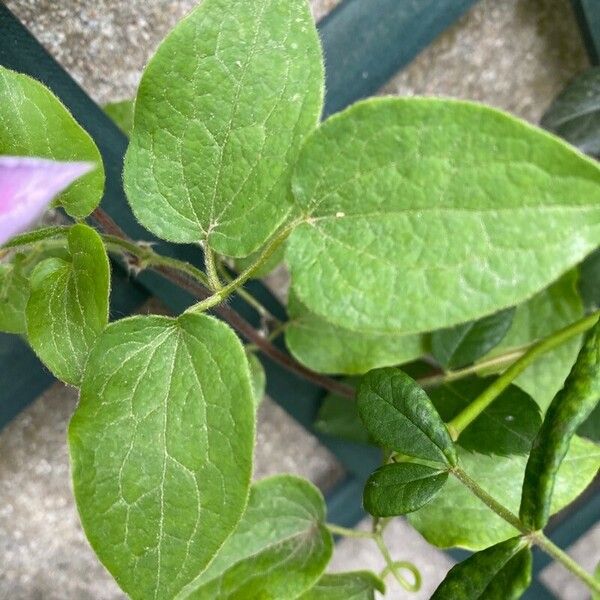
- 🍃 The Foliage: The leaves are divided into three distinct leaflets (trifoliate) with pointed tips and slightly wavy or toothed edges. They grow on slender, twining stems that act like tiny hands to help the plant climb.
- 💨 The Seed Heads: After the flowers fade, the plant develops striking, feathery "pompoms." These are clusters of long, silky styles that catch the wind to help disperse seeds across the landscape.
🏡 In Your Garden
- 🧱 Rocky Foundations: As its name suggests, this plant loves rocky, well-drained soil. It is an excellent choice for rock gardens or "spilling" over retaining walls where other vines might struggle with the drainage.
- 🌥️ Cool Feet, Warm Head: Like most Clematis, it follows the rule of "feet in the shade, head in the sun." Planting a flat stone or a small shrub over its root zone helps keep the soil cool and moist while the vine climbs toward the light.
- 🧗 Delicate Climber: Because it climbs by wrapping its leaf stalks around objects, it needs thin supports like wire, mesh, or thin branches. It cannot grip onto thick wooden fence posts or flat masonry on its own.
⚠️ Safety & Toxicity
- 🚫 Status: Toxic to humans and pets.
- 🐕 Details: All parts of the plant contain protoanemonin, an irritant that can cause a burning sensation in the mouth, drooling, and digestive upset if eaten. The sap can also cause mild skin irritation or redness in sensitive individuals, so wearing gloves while pruning is a smart precaution.
✨ Fun Fact
The "petals" of the Rock Clematis aren't petals at all—they are technically sepals! In many plants, sepals are the green leaf-like structures that protect a bud, but in the Clematis family, they have evolved to become the most colorful and showy part of the flower to attract pollinators.

Detailed Care Instructions
Clematis columbiana, also known as purple clematis, is a beautiful perennial vine that can be grown in a variety of conditions. Here are some tips on how to grow this plant successfully:
- Planting: Clematis columbiana should be planted in a location that receives full sun to partial shade. The soil should be well-draining and rich in organic matter. Plant the vine in a hole that is twice as wide and deep as the root ball.
- Watering: Clematis columbiana prefers consistently moist soil, so be sure to water regularly, especially during hot, dry periods. Avoid overwatering, as this can lead to root rot.
- Fertilizing: Fertilize the plant in the spring with a balanced, slow-release fertilizer. Avoid fertilizing too much, as this can lead to excessive foliage growth at the expense of flowers.
- Pruning: Prune Clematis columbiana in late winter or early spring to remove dead or damaged growth and to shape the plant. This vine blooms on new wood, so pruning will promote new growth and flowering.
- Support: Provide a trellis, arbor, or other support structure for Clematis columbiana to climb on. The vine can reach heights of 6-10 feet, so it will need something sturdy to grow on.
- Mulching: Mulch around the base of the plant to help retain soil moisture and regulate temperature. This will also help suppress weeds and improve the overall health of the plant.
By following these tips, you can successfully grow Clematis columbiana and enjoy its beautiful purple flowers in your garden.

Place in a bright room that is sun drenched almost all day. Or directly in a south-facing window.

Clematis columbiana should be watered regularly, ensuring that the soil is consistently moist but not waterlogged. Water deeply, allowing the water to penetrate the roots, but be sure not to overwater as this can lead to root rot. Ensure that the soil has good drainage to prevent water from pooling around the roots. During hot weather, it may be necessary to water more frequently to prevent the soil from drying out. It is best to water the plant in the morning to give it time to absorb the moisture before the heat of the day. Additionally, mulching around the base of the plant can help to retain moisture and regulate soil temperature.
To fertilize Clematis Columbiana, use a balanced, slow-release fertilizer in early spring as new growth appears. Apply the fertilizer according to package instructions, taking care not to over-fertilize as this can harm the plant. Water thoroughly after applying the fertilizer to help distribute the nutrients to the roots. Repeat the fertilization process every 4-6 weeks during the growing season, but stop fertilizing in late summer to allow the plant to prepare for dormancy.
Clematis Columbiana plants prefer well-draining, fertile soil with a slightly acidic to neutral pH level. A mix of sandy loam soil with added amendments such as compost, peat moss, or well-rotted manure can provide the plant with the necessary nutrients and moisture retention. Avoid heavy clay soils that may become waterlogged and suffocate the roots. Adding a layer of mulch around the base of the plant can help retain moisture and regulate soil temperature. It is also recommended to periodically fertilize the soil to promote healthy growth and blooming.
Clematis Columbiana can be propagated through both seeds and cuttings.
To propagate Clematis Columbiana from seeds, start by collecting mature seeds from the plant in the fall. Store the seeds in a cool, dry place until spring. In early spring, sow the seeds in a seed tray filled with moist seed starting mix. Keep the soil consistently moist and place the tray in a warm, sunny location. Germination can take several weeks, so be patient.
To propagate Clematis Columbiana from cuttings, take a 6-8 inch cutting from a healthy, established plant in the spring or early summer. Remove the lower leaves and dip the cut end in rooting hormone. Plant the cutting in a container filled with a mixture of perlite and peat moss. Keep the soil moist and place the container in a warm, sunny location. Rooting can take several weeks to a few months. Once roots have formed, transplant the cutting into a larger pot or directly into the garden.
Regardless of the method you choose, it's important to provide proper care and attention to the newly propagated plants to ensure their success. Keep the soil consistently moist and provide adequate sunlight and support for the growing plants. With time and patience, you can enjoy a beautiful display of Clematis Columbiana in your garden.








