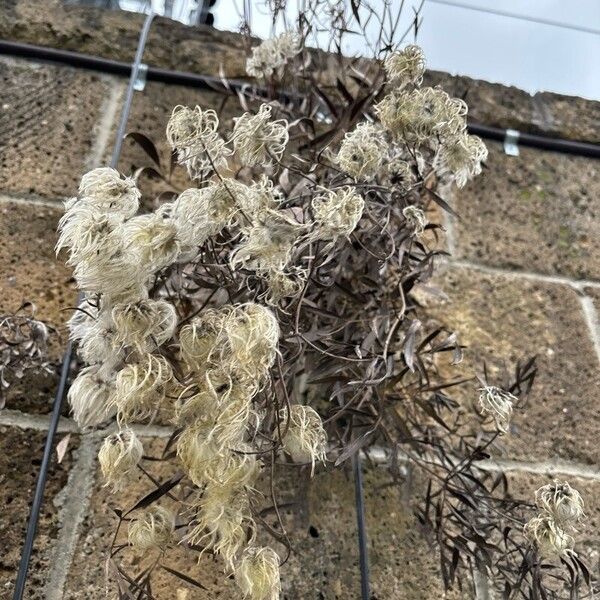
Plant Overview
Known as the Six-Petal Clematis, this elegant wildflower breaks the mold of its famous climbing cousins. Hailing from the sun-drenched grassy steppes of Eastern Asia, it brings a touch of airy, star-like beauty to open landscapes. Unlike the aggressive vines that swallow trellises, this species is a refined, upright herb that dances in the breeze.
🔍 How to Identify
- 🌸 The Blooms: Features clusters of upright, star-shaped white flowers. While other clematis vary wildly in shape, this species is prized for its consistent, symmetrical arrangement of six snowy-white sepals.
- 🍃 The Foliage: The leaves are uniquely narrow, linear, and almost grass-like. This "fine-textured" look sets it apart from the broad, heart-shaped leaves found on most garden hybrids.
- 🌿 Growth Habit: This is a non-climbing, herbaceous perennial. Instead of using tendrils to scale walls, it grows in sturdy, self-supporting clumps or soft sprawling mounds.
🏡 In Your Garden
- 🌱 The Border Queen: Because it lacks the "climbing itch," it is a perfect candidate for the middle of a flower border or a rock garden. It stays exactly where you plant it, providing a fountain of white flowers in mid-summer.
- ☀️ Cool Feet, Warm Head: It follows the golden rule of Clematis: it loves its "head" in the full sun but requires its "feet" (roots) to stay cool and shaded. A thick layer of mulch or low-growing companion plants around its base is essential.
- ✂️ Easy Winter Care: Since it is herbaceous, the stems naturally die back to the ground in winter. This makes maintenance simple—just shear the dead stems to the soil line in early spring to make room for fresh new growth.
⚠️ Safety & Toxicity
- 🐾 Toxic to Pets: Like all members of the Buttercup family, this plant is toxic to dogs, cats, and horses. If chewed, it can cause significant drooling, vomiting, or diarrhea.
- 🧤 Skin Sensitivity: The sap contains a chemical called protoanemonin, which can cause skin irritation or even blistering in sensitive individuals. It is always best to wear gardening gloves when pruning or handling broken stems.
✨ Fun Fact
In Traditional Chinese Medicine, the roots of this plant are known as Wei Ling Xian. They have been harvested for centuries and used in herbal preparations to treat "wind-damp" conditions, though in a modern garden, its most potent "healing" power is the joy it brings to pollinators!

Detailed Care Instructions







