Plant Overview
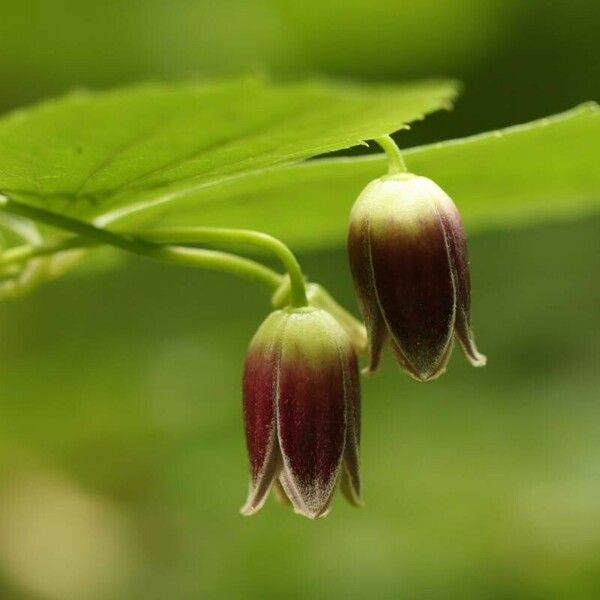
Often called the Japanese Bell Clematis, Clematis japonica is a graceful woody vine that traded the flashy, plate-sized blooms of its hybrid cousins for elegant, nodding bells. Hailing from the temperate mountain forests of Japan, it brings a touch of wild, woodland mystery to vertical garden spaces. Its deep maroon flowers look like delicate, handcrafted lanterns suspended among the emerald foliage.
🔍 How to Identify
- 🔔 The Flowers: Unlike common flat-faced Clematis, these are small, pendulous bells (urceolate) that range from deep reddish-purple to chocolate brown. The "petals" (actually sepals) are thick and slightly fuzzy.
- 🍃 The Foliage: Leaves are typically arranged in groups of three (ternate) with slightly serrated edges. They have a bright, clean green color that creates a dense screen.
- 🧶 Seed Heads: Once the bells fade, the plant produces whimsical, feathery seed clusters. These silky "pom-poms" persist into the fall, adding texture to the garden.
🏡 In Your Garden
- 🧊 The "Cool Feet" Rule: This species is a classic "cool-root" plant. It thrives when the base of the vine is shaded by smaller perennials or a heavy layer of mulch, while its upper stems reach for the sunlight.
- 🧱 Natural Scrambler: It climbs by twisting its leaf stalks around supports. It’s less "aggressive" than some vines, making it perfect for weaving through an established rose bush or over a low stone wall.
- ✂️ Pruning Patience: Clematis japonica usually blooms on "old wood" (stems from the previous year). Avoid heavy pruning in early spring, or you might accidentally cut away all of this season's flower buds!
⚠️ Safety & Toxicity
- 🚫 Status: Toxic to humans, cats, dogs, and horses.
- 🧪 Details: Like most members of the Buttercup family, it contains protoanemonin. Ingesting any part of the plant can cause mouth sores, drooling, and digestive distress. The sap can also cause mild skin irritation or "Clematis itch," so wearing gloves while pruning is a smart move.
✨ Fun Fact
In its native Japan, this plant is known as Miyama-hanshou-zuru. The name "Hanshou" refers to a traditional small fire-alarm bell, perfectly describing the shape of the flowers as they dangle in the mountain breezes.

Detailed Care Instructions

Place in a window with dappled sun or a spot in the middle of a room. Or directly in a window facing west or east.

The presence of a dry surface layer of soil does not indicate that the plant requires water. Instead, stick your finger 1-2" (3-5 cm) deep in the soil to feel dampness or moisture content. If the soil seems dry, it's time to water your greens. If the soil is still moist, however, it is better not to water your plant and instead wait a day or two. Overwatering or waterlogging raises the risk of root rot. So if the soil takes longer than a week to dry, check the light conditions because it's likely that the plant isn't getting enough light. It's fine if the upper layer of soil is dry between waterings, but the deeper soil layer should always have some moisture.
These plant needs regular fertilizing during growing seasons. Fertilizing your plants in dormant state during the winter, might result in scorching or browning of the leaf tips. If mature plants display signs of nutrient insufficiency, fertilizer administration is necessary to restore the plant to its previous state.








