Plant Overview
Known as the Nepal Clematis, this Himalayan native is a botanical rebel that wakes up just as the rest of the garden goes to sleep. While most climbers are losing their leaves in the autumn chill, this vigorous vine begins to flourish, producing "winter bells" that provide much-needed life to the cold landscape. It is a favorite among collectors for its unusual lifecycle and elegant, drooping blossoms.
🔍 How to Identify
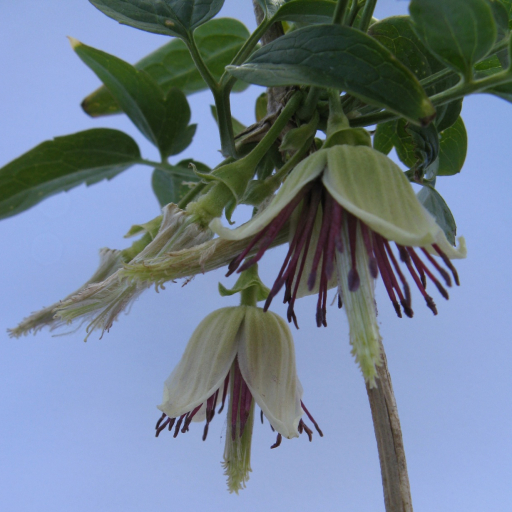
- 🔔 The Flowers: Hanging, bell-shaped blooms that are creamy-white or pale lime-green. The most striking feature is the cluster of long, dark-maroon or purple stamens that dangle from the center like a bell’s clapper.
- 🍃 The Foliage: Delicate, compound leaves that are a vibrant green. In a strange twist, the plant often sheds its leaves in the summer and remains dormant during the heat, only to regrow them in the autumn.
- 🪜 Growth Habit: A vigorous climber that uses its leaf stalks to wrap around supports. It can reach heights of up to 20 feet if given the space to roam.
🏡 In Your Garden
- 💤 Summer Dormancy: Don't panic if your plant looks dead in July! Unlike almost every other garden plant, Clematis napaulensis goes through a "summer sleep" where it may lose its leaves to survive heat and drought. Resist the urge to pull it out; it’s just resting.
- 🧱 The Perfect Spot: Like most Clematis, it prefers "cool feet and a warm head." Plant the base in a shaded, moist spot (perhaps behind a large stone or under smaller shrubs) but allow the vine to climb upward into the winter sun.
- ✂️ Low Maintenance: This species requires very little pruning. If it gets too unruly, only trim it back immediately after it finishes flowering in the early spring to avoid cutting off next year’s winter buds.
⚠️ Safety & Toxicity
- 🚫 Mildly Toxic: Like all members of the Ranunculaceae family, this plant contains protoanemonin, an irritant that can cause issues if handled or consumed.
- 🐾 Pets & Kids: Ingestion can lead to mouth sores, drooling, or digestive upset in cats, dogs, and curious toddlers. The sap can also cause mild skin irritation or "Clematis dermatitis" in sensitive gardeners, so wearing gloves during pruning is recommended.
✨ Fun Fact
In its native Himalayan habitat, the Nepal Clematis acts as a vital winter food source for local pollinators and birds, offering nectar during months when very few other flowers are brave enough to bloom.

Detailed Care Instructions

Place in a window with dappled sun or a spot in the middle of a room. Or directly in a window facing west or east.
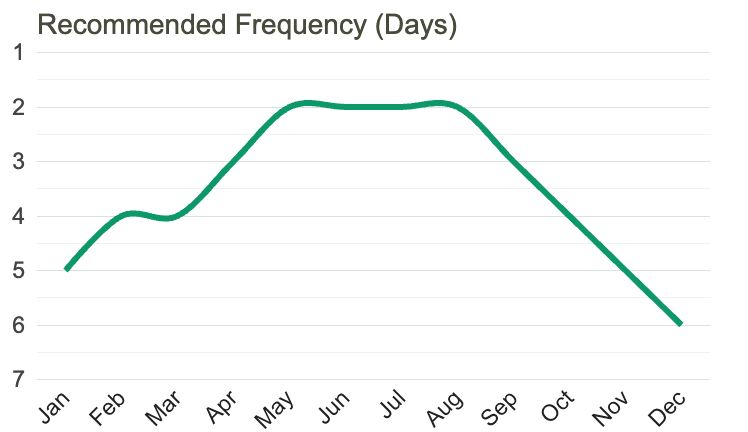
Water-loving plants flourish in wet or sloppy soil and near ponds. The extensive root system enables these plants to absorb plenty of water. The surface of the soil should be kept moist at all times. Place your pot in a container filled with water to guarantee that plants get enough water. If the ground becomes dry, it is recommended that you water it well. Plants in smaller pots will need to be watered more frequently. Water the soil in which the plant is standing thoroughly using a watering can.








