Plant Overview
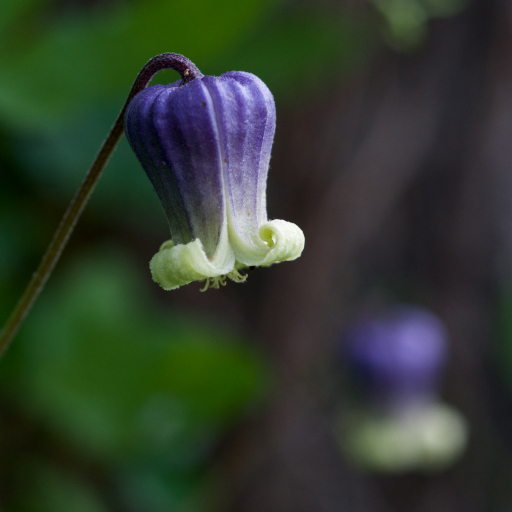
Often called the Purple Leatherflower or Bluebill, Clematis pitcheri is a graceful, climbing vine native to the thickets and stream banks of the central and southern United States. Unlike the massive, flat-faced Clematis hybrids seen in big-box stores, this species charms with its delicate, nodding "urns" that look like tiny, heavy bells cast in velvet. It is a favorite for those seeking a more "wild" or woodland aesthetic in their landscape.
🔍 How to Identify
- 🔔 The Flowers: Look for solitary, nodding, bell-shaped blooms that are deep purple to pale lavender. The tips of the four thick petals (sepals) recurve or "flip" outward, revealing a lighter interior.
- 🍃 The Foliage: The leaves are usually compound and deep green, often featuring a slightly leathery texture that gives the plant its "Leatherflower" nickname.
- 🌬️ The Seed Heads: After the flowers fade, the plant produces distinctive, feathery seed clusters. These silky, "old man’s beard" plumes stay on the vine for weeks, adding architectural interest.
🏡 In Your Garden
- 🧱 Climbing Style: This vine is a "scrambler" that uses its leaf stalks (petioles) to twist around supports. It thrives on thin trellises, chain-link fences, or even sprawling over nearby shrubs for a natural look.
- 👣 Cool Feet, Warm Head: Like most Clematis, it prefers its roots to be kept cool and shaded (use mulch or groundcover) while its foliage reaches for the sunlight. It is surprisingly drought-tolerant once established compared to its flashier cousins.
- 🐝 Pollinator Magnet: Because of the flower's unique shape, it is a primary destination for bumblebees and hummingbirds, who are strong enough to push inside the "pitcher" for nectar.
⚠️ Safety & Toxicity
- 🚫 Status: Toxic to ingest and a potential skin irritant.
- 🐕 Details: All parts of the plant contain protoanemonin, which has an acrid taste and can cause mouth sores, drooling, and vomiting in pets and horses. Gardeners with sensitive skin should wear gloves when pruning, as the sap can cause minor contact dermatitis.
✨ Fun Fact
The "petals" of Clematis pitcheri aren't actually petals at all! They are technically thickened sepals, which explains why they feel so sturdy and "leathery" to the touch compared to the fragile petals of a rose or lily.

Detailed Care Instructions
To grow Clematis Pitcheri plants, you can follow these steps:
- Choose the right location: Clematis Pitcheri prefers a location with full sun to partial shade. It also needs a well-draining soil that is rich in organic matter. Ensure that the location provides good air circulation.
- Prepare the soil: Before planting, prepare the soil by loosening it and adding organic matter, such as compost or well-rotted manure. This will improve the soil structure and provide nutrients for the plant.
- Planting: Dig a hole that is slightly larger than the root ball. Place the plant in the hole at the same level it was previously growing, ensuring that the crown is slightly above the soil surface. Backfill the hole with soil and gently firm it around the plant.
- Watering: After planting, water the Clematis Pitcheri thoroughly. Keep the soil consistently moist but not waterlogged. During hot and dry weather, you may need to water more frequently.
- Mulching: Apply a layer of organic mulch around the base of the plant to help retain soil moisture and suppress weed growth. Ensure that the mulch does not directly touch the stems of the plant.
- Support: Clematis Pitcheri is a climbing vine, so it requires support for proper growth. Provide a trellis, fence, or other sturdy support structure for the vine to climb and attach itself.
- Pruning: Pruning is crucial for Clematis Pitcheri to encourage healthy growth and blooming. Prune the plant in early spring before new growth appears. Remove any dead or damaged stems and cut back the remaining stems to about 12-18 inches above the ground. This will promote new growth and flowering.
- Fertilizing: During the growing season, you can fertilize the Clematis Pitcheri with a balanced, organic fertilizer. Follow the package instructions for application rates and frequency. Avoid over-fertilizing as it can lead to excessive foliage growth at the expense of flowers.
- Pest and disease control: Monitor the plants regularly for any signs of pests or diseases such as aphids, slugs, or powdery mildew. If necessary, treat with appropriate organic methods or consult with a local garden center for recommendations.
By following these guidelines, you can successfully grow Clematis Pitcheri plants and enjoy their beautiful flowers.

Place in a bright room that is sun drenched almost all day. Or directly in a south-facing window.

To properly water this plant, first, you need to ensure that the soil is well-draining and not waterlogged. Overwatering can lead to root rot and damage to the plant.
Next, check the soil moisture level by inserting your finger about an inch deep into the soil. If it feels dry, it's time to water.
Water the plant deeply and thoroughly, making sure that the water reaches the roots. Avoid getting water on the foliage to prevent fungal diseases.
Depending on the weather and soil type, you may need to water this plant every 1-2 weeks. However, it's best to let the soil dry out slightly between waterings to prevent overwatering.
During hot and dry spells, you may need to water this plant more frequently to prevent drought stress.
In general, it's better to water this plant deeply and infrequently rather than frequently and shallowly. This encourages the roots to grow deep and helps the plant become more drought-tolerant.
To fertilize the plant, use a balanced fertilizer, ideally one with a N-P-K ratio of 10-10-10 or 5-10-10. Apply the fertilizer around the base of the plant in early spring before new growth begins. Use a low nitrogen fertilizer after blooming to avoid excessive vegetative growth. Water the plant well after fertilizing to ensure the nutrients reach the roots. Avoid fertilizing too much as it can result in weak growth and reduced flowering.
To propagate this plant, you will need to take stem cuttings from a mature plant and prepare them for rooting. First, identify a healthy, non-flowering stem on the plant that is at least 4 inches long. Using sterile pruning shears, make a sharp cut just below a leaf node. Remove any leaves or nodes from the bottom half of the cutting.
Next, dip the cut end of the stem into rooting hormone powder to encourage root growth. Place the cutting into a container filled with moist, well-draining soil or a rooting medium such as perlite or vermiculite. The container should be covered with a plastic bag or dome to create a humid environment for the cutting.
Keep the cutting in a warm, bright location with indirect sunlight and avoid direct sun exposure. Mist the cutting with water periodically to keep the soil or medium moist but not waterlogged. In a few weeks, the cutting should begin to form roots.
Once the roots are established, the cutting can be transplanted into a larger pot or into a garden bed outdoors. Be sure to acclimate the young plant gradually to direct sunlight and outdoor conditions. With proper care, the new plant should thrive and grow into a mature specimen over time.








