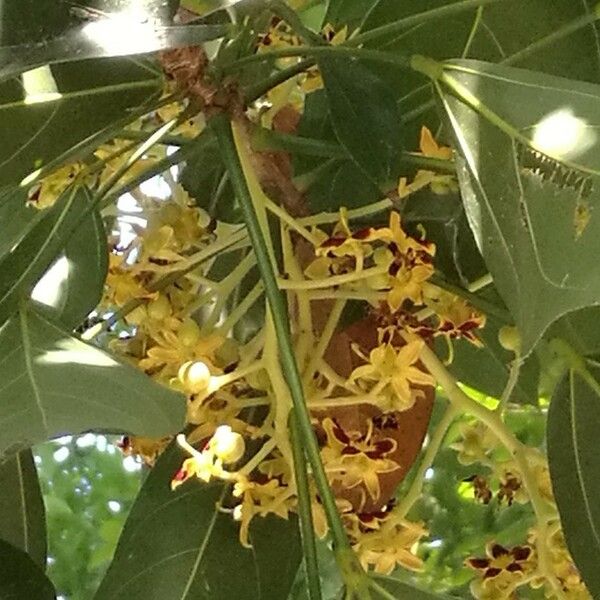
Plant Overview
Commonly known as the Many-flower Glorybower, this elegant shrub is a hidden gem of the East Asian wilderness. Often called "Da Qing" in traditional circles, it is celebrated for its delicate, airy blooms that look like tiny white stars floating on long, wispy stems. While it may appear fragile, it is a hardy grower that adds a touch of wild, romantic flair to any landscape.
🔍 How to Identify
- 🌸 The "Whiskered" Flowers: The most striking feature is the clusters of small, white-to-cream flowers. Each blossom has exceptionally long, protruding stamens that resemble cat whiskers or delicate eyelashes.
- 🍃 Elliptic Foliage: The leaves are dark green, simple, and grow opposite one another. They have a smooth texture and a distinct point at the tip, often measuring 6 to 15 centimeters in length.
- 🫐 The Fruit Transition: After the flowers fade, the plant produces small, fleshy berries. These start off green and eventually ripen into a deep, glossy blue-black, often cradled by a persistent reddish calyx.
🏡 In Your Garden
- 🌿 The Sprawling Shrub: In its natural habitat, this plant loves the edges of forests and stream banks. In your garden, it thrives in dappled sunlight. It has a somewhat "leggy" growth habit, so it is best used as a back-of-the-border plant where its height can be appreciated.
- 💧 Thirst for Humidity: Unlike some of its desert-dwelling cousins, Clerodendrum cyrtophyllum craves moisture. It doesn't like its "feet" to stay soggy, but it will protest with drooping leaves if the soil dries out completely during a heatwave.
- 🦋 Pollinator Magnet: Because of those long, accessible stamens, this plant is a favorite for long-tongued butterflies and moths, making it an excellent choice for a wildlife-friendly garden.
⚠️ Safety & Toxicity
- 🐾 Mildly Toxic: While not considered deadly, most Clerodendrum species contain chemical compounds like saponins that can cause stomach upset if leaves or berries are ingested.
- 👶 Keep Out of Reach: It is best to keep this plant away from curious pets and small children. If the leaves are crushed, some people find the scent slightly unpleasant or "skunky," which is often nature's way of saying "don't eat me."
✨ Fun Fact
In traditional Chinese medicine, the roots and leaves of this plant have been used for centuries to create "cooling" teas intended to treat fevers and inflammatory ailments. However, in the garden, it is prized purely for its "Glory"—the translation of its Greek name Kleros (fate) and Dendron (tree).

Detailed Care Instructions
To grow Clerodendrum Cyrtophyllum, also known as the Bridal Veil plant, you can follow these steps:
- Choose a suitable location: Find a place in your garden that receives partial shade to filtered sunlight. The plant can tolerate full sun but prefers some protection from the intense afternoon sun.
- Prep the soil: Ensure the soil is well-draining and rich in organic matter. You can amend the soil with compost or well-rotted manure to improve its fertility.
- Planting: Dig a hole slightly larger than the root ball of the plant. Place the plant in the hole, making sure the top of the root ball is level with the surrounding soil. Backfill the hole and tamp down gently to remove any air pockets.
- Watering: Water the plant thoroughly after planting and keep the soil evenly moist during the growing season. Avoid overwatering, as excessive moisture can cause root rot.
- Fertilization: Apply a balanced slow-release fertilizer in early spring to promote healthy growth. Repeat this process annually or follow the package instructions for specific fertilization requirements.
- Pruning: Regularly prune the plant to maintain its shape and remove dead or damaged branches. Pruning can be done in late winter or early spring before new growth emerges.
- Mulching: Apply a layer of organic mulch around the plant, leaving a gap around the base to prevent moisture build-up. Mulching helps conserve soil moisture, suppress weeds, and insulate the roots during colder months.
- Protection: Protect the plant from extreme cold temperatures, especially if you live in a region with frost or freezing temperatures. Cover the plant with a frost cloth or bring it indoors during winter if necessary.
- Pests and diseases: Monitor the plant for common pests like aphids, whiteflies, or spider mites. Regularly inspect the leaves for any signs of disease or infestation and take appropriate measures, such as spraying with insecticidal soap or using organic pest control methods.
- Propagation: You can propagate Clerodendrum Cyrtophyllum through stem cuttings. Take 4-6 inch long cuttings from healthy, non-flowering stems and place them in a well-draining rooting medium. Keep the cuttings in a warm, humid environment, misting them occasionally. Once roots develop, transplant them into individual pots or directly into the garden.
Remember to research and understand the specific needs of the Clerodendrum Cyrtophyllum plant to ensure its optimal growth and health.

Place in a window with dappled sun or a spot in the middle of a room. Or directly in a window facing west or east.

Clerodendrum Cyrtophyllum plants require adequate watering to thrive. It is important to water the plant at regular intervals, depending on the weather and humidity levels. During the growing season, which usually spans from spring to fall, the soil should be kept evenly moist, but not soggy. Overwatering can lead to root rot and other fungal diseases.
To water the plant, use a watering can or hose with a gentle spray nozzle that can deliver a fine mist or gentle stream of water. Water the soil around the root zone, avoiding splashing water on the leaves or stem, as this can lead to fungal growth.
Check the soil moisture level before watering by inserting a finger into the soil. If the top inch feels dry, it's time to water. During hot, dry weather, the plant may need additional watering to prevent the soil from drying out completely.
It is important to avoid leaving the plant in standing water, as this can also lead to root rot. Ensure there is proper drainage in the pot or soil to allow excess water to drain away.
In summary, watering Clerodendrum Cyrtophyllum plants involves keeping the soil evenly moist, avoiding overwatering or leaving the plant in standing water, and watering around the root zone using a gentle spray or mist.
To fertilize this plant, use a balanced fertilizer with an N-P-K ratio of 10-10-10. Apply the fertilizer every three months during the growing season, which is typically spring through fall. Mix the fertilizer according to the package instructions and water the plant thoroughly before applying. Avoid getting fertilizer on the leaves as it may burn them.
Clerodendrum cyrtophyllum plant prefers to grow in well-draining soil that is rich in organic matter and nutrients. The soil should be loamy and have a pH level between 6.0 and 7.5. It is recommended to mix sand and perlite with the potting soil to improve drainage.
When planting in a container, use a pot with drainage holes to prevent the soil from becoming waterlogged. Adding a layer of rocks or gravel at the bottom of the pot can also improve drainage. It is important to regularly check the moisture level of the soil and water the plant only when the top inch of soil feels dry to the touch.
Avoid using clay soil or soil that is compacted as it can retain too much moisture and lead to root rot. Similarly, avoid using soil that is too sandy as it can dry out quickly and not provide enough nutrients for the plant.
First, take a cutting from a mature and healthy plant that has at least two sets of leaves. The cutting should be about 4-6 inches long and taken from the tip of the stem.
Remove the lower leaves from the cutting, leaving only the top two sets of leaves. Make a cut at the bottom of the stem, just below a node.
Dip the cut end of the stem in rooting hormone and plant it in a small pot filled with moist potting soil. Gently firm the soil around the stem to ensure good contact.
Water the cutting and place it in a warm, brightly lit area, out of direct sunlight. Keep the soil moist but not waterlogged.
After a few weeks, the cutting should start to root and new growth will appear. Once the plant has successfully rooted, it can be transplanted into a larger pot or planted directly in the ground.








