Plant Overview
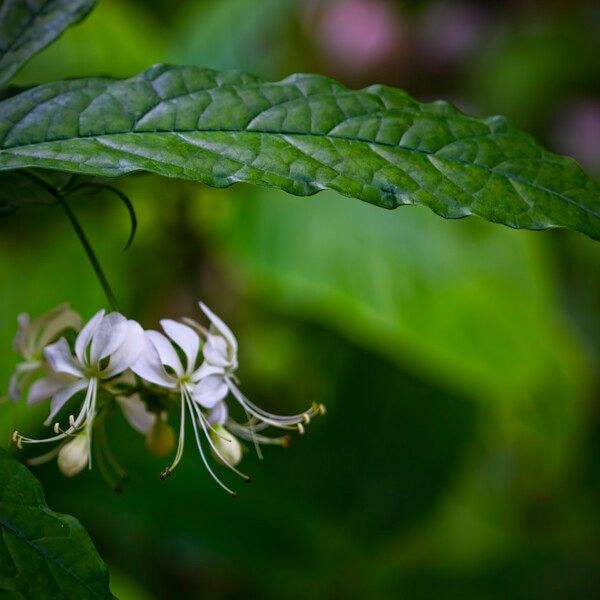
Often called the Light Bulb Plant or Wallich’s Glory Bower, this Southeast Asian treasure is a true conversation starter. Before its flowers fully bloom, the white, rounded buds hang from long stems, looking remarkably like miniature glowing lanterns or musical notes. It is a graceful, weeping shrub that adds an air of "tropical elegance" to any shaded porch or garden corner.
🔍 How to Identify
- 🍃 Glossy Foliage: The leaves are long, lance-shaped, and a deep, waxy green. They often have slightly wavy margins that catch the light.
- 💡 "Light Bulb" Buds: The most striking feature is the pendulous clusters of creamy white buds that dangle on thin, red-tinted stalks.
- 🌸 Arching Stamens: When the flowers finally open, they reveal snowy white petals and incredibly long, elegant stamens that curve upward like the whiskers of a butterfly.
🏡 In Your Garden
- 💧 The Moisture Balance: This plant is a bit of a "drama queen" when it comes to water. It has a shallow root system and will wilt visibly if the soil dries out, but it also hates "wet feet." It thrives in rich, well-draining soil that stays consistently damp.
- 🌤️ Forest Floor Vibes: Because it originated in the understory of Himalayan forests, it prefers filtered light. Too much direct sun will bleach and burn the leaves, while too little light will prevent those famous "light bulbs" from forming.
- ✂️ Pruning Habits: It can become a bit leggy if left to its own devices. Pruning it back after the flowering season helps maintain a bushy, compact shape and encourages more blooms for the following year.
⚠️ Safety & Toxicity
- 🐾 Status: Generally considered mildly toxic to pets and humans.
- 🚫 Details: Ingesting any part of the plant may cause nausea, vomiting, or stomach distress in cats, dogs, and small children. It is best placed on a pedestal or hanging basket where it can be admired out of reach.
✨ Fun Fact
The name Clerodendrum is derived from the Greek words kleros (chance or fate) and dendron (tree). This refers to the historical uncertainty regarding the medicinal properties of various species in this genus—some were thought to be "lucky" cures, while others were considered "fateful" or toxic!

Detailed Care Instructions
To grow Clerodendrum Laevifolium (also known as Turk's Turban or Tree of Love), follow these steps:
- Choose the right location: Clerodendrum Laevifolium prefers partial shade or filtered sunlight. Select a location that receives a few hours of direct sunlight every day, but is sheltered from harsh afternoon sun.
- Soil preparation: The plant thrives in well-draining soil. Ensure the soil is rich in organic matter and has a slightly acidic to neutral pH level. If the soil is heavy, amend it with compost, peat moss, or sand to improve drainage.
- Planting: Dig a hole that is larger than the root ball of the plant. Place the plant in the hole, making sure the top of the root ball is level with or slightly above the soil surface. Backfill the hole with soil and gently firm it around the plant.
- Watering: Keep the soil consistently moist but not waterlogged. Water thoroughly after planting and continue to water regularly, especially during dry periods. However, avoid overwatering as excessive moisture can lead to root rot.
- Mulching: Apply a layer of organic mulch, such as wood chips or compost, around the base of the plant. This helps conserve moisture, regulate soil temperature, and suppress weed growth.
- Fertilizing: Feed Clerodendrum Laevifolium with a balanced, slow-release fertilizer in spring. Follow the recommended dosage on the fertilizer packaging.
- Pruning: Regularly prune the plant to maintain its shape and promote bushier growth. Remove any dead, damaged, or crossing branches. Prune back long, leggy growth to encourage branching and denser foliage.
- Support: If needed, provide support such as stakes or trellis as the plant matures to help it stay upright and prevent sprawling.
- Pests and diseases: Monitor the plant for any signs of pests, such as aphids or scale insects, and take appropriate measures to control them. Additionally, ensure good air circulation around the plant to reduce the risk of fungal diseases.
- Winter care: Clerodendrum Laevifolium is tender to frost and freezes. If you live in a cold climate, protect the plant during winters by covering it with frost cloth or moving it indoors.
Following these guidelines will help in the successful growth of the Clerodendrum Laevifolium plant.

Place in a window with dappled sun or a spot in the middle of a room. Or directly in a window facing west or east.

To properly water this particular plant, it is important to consider several factors. First, it is necessary to ensure that the soil is well-draining and not waterlogged, as this can lead to root rot and damage. Secondly, it is important to water the plant regularly, but not excessively.
To determine when it is time to water, check the soil for moisture by gently sticking your finger about an inch into the soil. If it is dry, it is time to water. When watering, make sure to thoroughly soak the soil, allowing the water to reach the root zone. Once the soil is saturated, any excess water should be drained away to prevent standing water around the roots.
It is also important to note that this plant prefers slightly acidic soil, so it may require special attention to the pH level of the water and soil. Additionally, be sure to avoid watering the leaves and flowers directly, as this can lead to fungal diseases.
Overall, the key to properly watering this plant is to maintain a consistent and moderate level of moisture in the soil, while also ensuring that the roots do not sit in standing water.
To fertilize the plant, use a balanced fertilizer with an N-P-K ratio of 10-10-10 or 20-20-20. Apply the fertilizer once a month during the growing season (spring and summer) and reduce frequency during periods of dormancy (fall and winter). Water the plant first before applying the fertilizer to prevent burning the roots. Follow the package instructions for dosage and application method. Additionally, consider using organic fertilizers such as compost and vermicompost as a more sustainable alternative.
Clerodendrum Laevifolium plant grows well in well-draining, loamy soils that are slightly acidic. The soil should be fertile and rich in organic matter for healthy growth and development of the plant. A soil mix with a pH between 6.0 and 7.5 is ideal for this plant.
It is best to use a mix of garden soil, sand, and organic matter such as compost or peat moss to create a suitable soil for the Clerodendrum Laevifolium plant. The plant thrives in soils that are moist but not waterlogged. Therefore, it is advisable to avoid using heavy clay soils that retain water as they can lead to root rot.
Adding a layer of mulch around the base of the plant can help to conserve moisture and keep the soil cool, which is beneficial during hot weather. Additionally, a regular application of a balanced fertilizer can help to promote healthy growth and vibrant leaves.
Overall, selecting the right type of soil is crucial for the successful growth and development of the Clerodendrum Laevifolium plant. With proper soil preparation and appropriate care, this plant can thrive in a variety of indoor or outdoor settings.
To propagate this plant, select a healthy stem from the parent plant and cut it about 6-8 inches long, just below a node. Remove the leaves from the lower half of the stem. Dip the cut end of the stem in rooting hormone powder and plant it in a pot filled with well-draining potting mix. Water the plant thoroughly and cover it with a plastic bag to create a greenhouse effect that promotes rooting. Place the pot in a bright, indirect light location and keep the soil moist. After about 4-6 weeks, the new plant should have rooted and new growth should appear. You can then transplant the new plant into a larger pot or in the ground if the conditions are suitable.
Common pests of the wallich's glorybower include Spider mites, aphids, whiteflies. Make a habit of checking your wallich's glorybower frequently for pests so that any infestations can be caught and managed early.








