Plant Overview
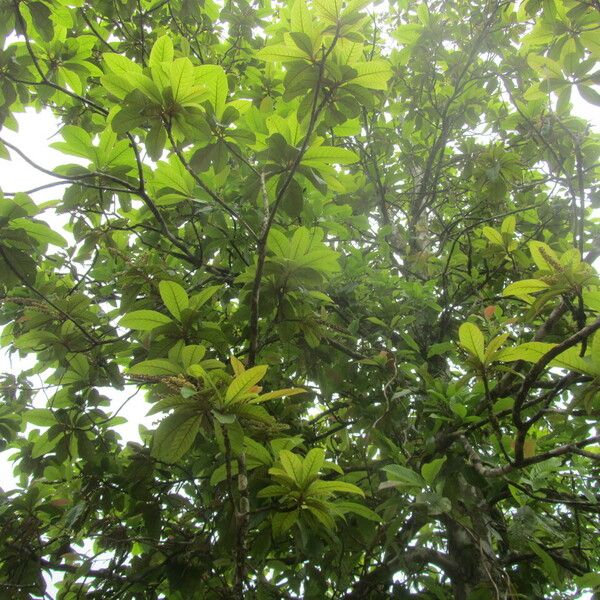
Known in its native Mexico as "Canelillo" due to its cinnamon-colored bark, the Clethra mexicana is a graceful, medium-sized tree that feels like it stepped out of a misty cloud forest. It is beloved for its dramatic "pepperbush" flower spikes that release a fragrance reminiscent of honey and jasmine. This tree is a favorite for those looking to add a touch of highland elegance and a magnet for pollinators to their landscape.
🔍 How to Identify
- 🌿 The Foliage: Look for leathery, lance-shaped leaves with distinct veins and finely serrated edges. The undersides often have a soft, rusty-colored fuzz.
- 🍦 The Blooms: It produces long, drooping clusters of tiny, bell-shaped white flowers that look like elegant candles hanging from the branches.
- 🍂 The Bark: As the tree matures, the bark becomes smooth and takes on a beautiful reddish-brown or "cinnamon" hue, occasionally peeling in thin, papery flakes.
🏡 In Your Garden
- 💧 Cloud Forest Cravings: Because this plant originates in humid mountain environments, it thrives on consistency. It dislikes "wet feet" but will quickly wilt if the soil dries out completely—mulching is your best friend here.
- ⛅ Light Play: It performs best in dappled sunlight or partial shade. In hotter climates, providing afternoon shade is crucial to prevent its glossy leaves from scorching.
- 🦋 A Pollinator Party: If you want to see your garden come alive, this is the tree to plant. It is one of the best species for attracting rare butterflies and native bees.
⚠️ Safety & Toxicity
- ✅ Safe Status: Clethra mexicana is generally considered non-toxic to humans and common household pets.
- 🧤 Skin Sensitivity: While not poisonous, the fine hairs on the undersides of the leaves or the sap can occasionally cause mild skin irritation for people with very sensitive skin during pruning.
✨ Fun Fact
In some regions of Mexico, the wood of the Clethra mexicana is so highly valued for its strength and flexibility that it has been traditionally used to craft specialized tools and even musical instruments!

Detailed Care Instructions
To grow Clethra Mexicana plant, follow these steps:
- Choose the right location: Clethra Mexicana prefers full sun to partial shade, so select a spot in your garden that receives adequate sunlight during the day. The soil should be well-draining and fertile.
- Prepare the soil: Prior to planting, amend the soil with organic matter such as compost or well-rotted manure to improve its fertility and drainage.
- Planting: Dig a hole twice as wide and deep as the plant's root ball. Place the plant in the hole, making sure the top of the root ball is level with the soil surface. Backfill the hole with soil, gently firming it around the roots.
- Watering: Water the plant thoroughly after planting to settle the soil and ensure good root establishment. Thereafter, water regularly to keep the soil moist but not waterlogged. Reduce watering during the dormant period.
- Mulching: Apply a layer of organic mulch, like wood chips or bark, around the base of the plant to help retain moisture and suppress weed growth. Keep the mulch a few inches away from the stem to prevent rot.
- Pruning: Clethra Mexicana generally requires minimal pruning, but you can trim it lightly to maintain its shape or remove any dead or damaged branches. Prune immediately after flowering.
- Fertilizing: Apply a balanced slow-release fertilizer in spring to provide the plant with essential nutrients. Follow the instructions on the fertilizer package for proper dosage.
- Winter protection: In colder regions, provide winter protection by applying a layer of mulch around the base of the plant and covering it with a burlap sack or frost cloth. This will help protect the roots from frost damage.
Remember to monitor the plant for any signs of pests or diseases and take appropriate action if necessary, such as using organic insecticides or fungicides. Regularly check for weeds and remove them promptly.
By following these steps, you can successfully grow Clethra Mexicana plant in your garden.
To properly water this plant, first ensure that the soil is well-draining and not waterlogged. The plant prefers consistently moist soil, but not overly saturated soil. Allow the top inch of soil to dry out before watering it again. When watering, apply water directly to the soil around the base of the plant rather than getting the leaves wet. Water more frequently in hot and dry weather, and less frequently in cool and humid weather. Use a watering can or hose with a gentle spray setting to avoid damaging the roots.
To fertilize this plant, use a slow-release, granular fertilizer with equal amounts of nitrogen, phosphorus, and potassium. Apply the fertilizer evenly around the base of the plant, taking care not to let it touch the leaves or stems. Water the plant generously after fertilizing to help the nutrients penetrate the soil. Repeat this once a year, preferably in the early spring when the plant starts actively growing. Avoid excessive fertilization, as it can lead to excessive growth and weak stems.
Clethra Mexicana is a species of plant that requires well-draining soil with a pH range between 4.5 and 6.0 and rich in organic matter. A mixture of clay, sand, and loam can be used as a base for the soil, with added peat moss or compost to improve its texture and fertility. The plant prefers a slightly acidic soil, so lime should be avoided during soil preparation. The soil should be kept moist but not waterlogged, and regular fertilization with a balanced fertilizer is recommended to promote healthy growth.
To propagate this plant, you can take softwood cuttings in late spring or early summer. Select a healthy stem that is actively growing and take a section of it that is about 4 inches long. Remove the bottom leaves, leaving only a few leaves at the top. Dip the cut end in rooting hormone powder and plant it in a pot filled with a well-draining soil mix. Keep the soil moist and place the pot in a bright, but not direct, sunlight.
Another method is to collect seeds from mature fruits and plant them in a seed-starting mix. Plant the seeds about 1/4 inch deep and cover with a layer of soil. Keep the soil moist and place the seed tray in a warm, sunny location. The seeds should germinate within a few weeks.
Once the cuttings or seeds have established roots, you can transplant them into larger pots or into your garden. Choose a location with partial shade and well-draining soil. Water regularly and fertilize once a year in the spring. With proper care, your new Clethra Mexicana plant should thrive and grow into a beautiful addition to your garden.








