Plant Overview
Often referred to as the Sakaki, the Cleyera japonica is far more than just a landscape shrub; it is a sacred bridge between the earthly and the divine. In Japan, these glossy evergreens are synonymous with Shinto shrines, where their branches are used in purification rituals and offered to the spirits. With its elegant, leathery foliage and graceful growth habit, it brings a sense of ancient serenity to any home garden.
🔍 How to Identify
- 🍃 Lustrous Leaves: The foliage is thick, oval, and incredibly glossy. While the mature leaves are a deep, sophisticated green, the new growth often emerges in a striking bronze or reddish-burgundy hue.
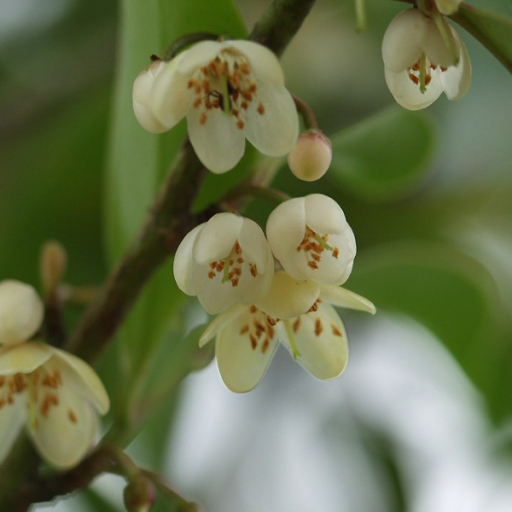
- 🌸 Hidden Blooms: In late spring or early summer, small, fragrant, creamy-white flowers dangle beneath the foliage. They are subtle and bell-shaped, often noticed more for their sweet scent than their size.
- 🌑 Winter Berries: Following the flowers, the plant produces small, round fruits that transition from green to a dark, shiny black as they ripen in the autumn.
🏡 In Your Garden
- 🌱 The Acidic Edge: Much like its cousins, the Camellias, Cleyera thrives in acidic, well-drained soil. It dislikes "wet feet," so ensure your garden bed doesn't hold standing water, which can lead to root rot.
- 🌤️ Dappled Shade Specialist: This plant is the perfect solution for those tricky spots that get morning sun but need protection from the harsh afternoon heat. Too much direct sun can scorch its beautiful glossy finish.
- ✂️ Low-Maintenance Growth: It is a naturally slow grower with a tidy, upright habit. This makes it an excellent "set it and forget it" hedge or foundation plant that rarely requires aggressive pruning.
⚠️ Safety & Toxicity
- 🟢 Generally Safe: Cleyera japonica is not considered a high-risk toxic plant for humans.
- 🐾 Pet Caution: While not listed as highly poisonous, the consumption of any evergreen foliage can cause mild stomach upset or vomiting in curious dogs or cats. It is best kept as an ornamental rather than a snack for four-legged friends.
✨ Fun Fact
In Shinto tradition, the Sakaki is considered an "ever-living tree." Its name is derived from the word saka-ki, which translates to "the tree at the border between the human world and the world of the gods."

Detailed Care Instructions
To grow Cleyera Japonica plant, also known as Japanese Cleyera, you can follow these steps:
- Choose the right location: Cleyera Japonica prefers partial shade to full sun. Select a spot with well-draining soil.
- Propagation: You can propagate Cleyera Japonica from seeds or by taking softwood cuttings in early summer.
- Seeds: Soak the seeds in water for 24 hours before planting. Sow them in a seed-starting mix and keep the soil consistently moist. Germination might take several weeks.
- Softwood cuttings: Take cuttings from new growth, around 4-6 inches long. Remove the lower leaves and dip the bottom end in a rooting hormone. Plant the cuttings in a well-draining potting mix and keep them in a warm, humid environment until roots form.
- Seeds: Soak the seeds in water for 24 hours before planting. Sow them in a seed-starting mix and keep the soil consistently moist. Germination might take several weeks.
- Planting: Whether you propagated the plant from seeds or cuttings, choose a pot or planting location with good drainage. Dig a hole that is slightly larger than the root ball of the plant. Gently place the plant in the hole, ensuring the top of the root ball is level with or slightly above the soil surface. Fill the hole with soil and firm it gently around the roots.
- Watering: Cleyera Japonica prefers evenly moist soil. Water the plant deeply after planting and then water regularly, especially during dry periods. Avoid overwatering, as it can lead to root rot.
- Fertilizing: Apply a balanced slow-release fertilizer in spring, following the package instructions. This will provide essential nutrients for the plant's growth.
- Pruning: Cleyera Japonica can be pruned to maintain its shape and size. Prune after the plant has finished flowering, typically in late spring or early summer. Remove any dead or damaged branches and thin out crowded areas to improve airflow.
- Mulching: Apply a layer of organic mulch, such as wood chips or bark, around the base of the plant. This will help retain moisture, suppress weeds, and provide insulation for the roots.
- Pest and disease control: Cleyera Japonica is relatively resistant to pests and diseases. However, keep an eye out for common garden pests like aphids or spider mites. If necessary, apply an appropriate organic or chemical insecticide according to the instructions.
Remember to regularly monitor your plant's health and provide it with the necessary care and attention.

Place in a bright room that is sun drenched almost all day. Or directly in a south-facing window.

The best way to water this plant is to thoroughly moisten the soil until water begins to run out of the bottom of the pot or container. Allow the soil to dry slightly between waterings, but do not let it become completely dry. It is important not to overwater this plant, as it is susceptible to root rot. When watering, avoid getting water on the foliage, as this can lead to leaf spots or other issues. Additionally, it is best to use room temperature water rather than cold water straight from the tap. Finally, it is important to ensure that the pot or container has adequate drainage holes to allow excess water to escape.
To fertilize this plant, use a balanced, slow-release fertilizer with equal amounts of nitrogen, phosphorus, and potassium. Apply the fertilizer in early spring and midsummer, following the manufacturer's instructions for the proper amount to use. Always water the plant well before and after fertilizing to prevent burning the roots. Avoid over-fertilizing as this can lead to excessive foliage growth at the expense of flowers and fruit.
The ideal soil for Cleyera Japonica is moist, well-draining, and slightly acidic with a pH ranging from 5.0 to 6.5. It should be rich in organic matter and have a loamy texture to ensure proper drainage while retaining adequate moisture. It is also important to avoid heavy clay soils as they can lead to waterlogging and root rot. Additionally, Cleyera Japonica prefers soils that are high in fertility and nitrogen, making regular fertilization necessary. It is recommended to add compost and/or leaf mold to the soil before planting and top-dress with an organic fertilizer throughout the growing season.
To propagate this plant, you will need to gather stem cuttings from a healthy and mature parent plant. The best time to take cuttings is in the spring or early summer when the plant is actively growing. Select a stem that is approximately 4-6 inches long and has several healthy leaves attached.
Using a sharp, sterilized pruning shears, make a clean cut just below a leaf node. Remove any lower leaves that will be submerged in the rooting medium. Dip the cut end of the stem into a rooting hormone powder or gel to promote successful rooting.
Prepare a well-draining rooting medium, such as a mix of half perlite and half peat moss or vermiculite. Moisten the rooting medium and poke a hole in the center with a pencil or dowel. Insert the cutting into the hole and gently firm the rooting medium around the stem.
Cover the cutting with a clear plastic bag or a plastic dome to create a humid environment. Place the container in bright, indirect light and maintain a warm, humid environment. Mist the cutting regularly to keep the rooting medium moist but not waterlogged.
After a few weeks, check for roots by gently tugging on the stem. If you feel resistance, roots have formed and the cutting can be acclimatized to its new environment by gradually exposing it to brighter light and drier conditions. Once the cutting has rooted and established itself, it can be transplanted into a larger container or directly into the ground.








