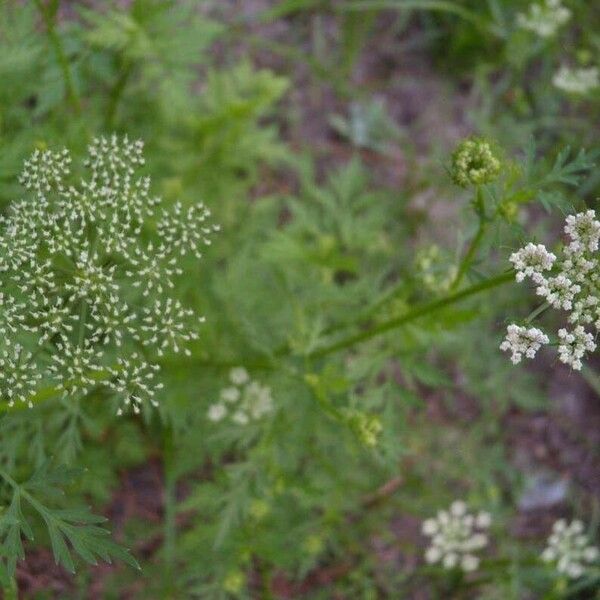
Plant Overview
Often called "She Chuang Zi" or Monnier’s Snowparsley, this delicate herb is a gem of traditional Asian medicine. Originating from the riverbanks and meadows of China and Korea, it looks like a miniature, airy version of Queen Anne’s Lace. It is deeply woven into folklore as a plant that bridges the gap between wild wetlands and ancient apothecary shelves.
🔍 How to Identify
- 🌿 Feathery Foliage: The leaves are intricate and deeply divided, resembling a soft fern or common carrot greens, providing a light, textured appearance.
- ☁️ Umbel Blooms: It produces clusters of tiny, star-shaped white flowers that form flat-topped, umbrella-like clusters (umbels) at the tips of its branches.
- 📏 Slender Stems: The plant has a thin, upright growth habit, usually reaching between 10 to 30 inches in height, giving it a dainty and "see-through" quality in a garden bed.
🏡 In Your Garden
- 💧 Moisture Seeker: In its natural habitat, this plant thrives near water. If you are growing it at home, ensure the soil stays consistently moist; it is not a fan of drought and prefers "cool feet."
- 🌱 Self-Sowing Nature: As an annual or biennial, it focuses its energy on seed production. If you leave the flower heads alone, it will happily drop seeds and replant itself for the following spring.
⚠️ Safety & Toxicity
- 🔍 Mistaken Identity: CAUTION is required because this plant belongs to the Apiaceae family. It looks strikingly similar to highly toxic plants like Poison Hemlock. Never consume or use it unless you are 100% certain of the identification.
- ☀️ Skin Sensitivity: The sap contains compounds that can cause "phytophotodermatitis." This means if the sap gets on your skin and you are exposed to sunlight, it may cause a blistering rash or irritation. Wear gloves when pruning.
✨ Fun Fact
🐍 The Chinese name for the seeds, She Chuang Zi, translates literally to "Snake's Bed Seeds." Ancient lore suggests that snakes were frequently found coiled up and resting under the cool, feathery canopy of the plant, leading people to believe the snakes were guarding its medicinal treasures!

Detailed Care Instructions
Cnidium monnieri, also known as She chuang zi or Cnidium, is a perennial herb that's native to China and has a long history of use in traditional medicine. If you're interested in growing Cnidium monnieri, here are some steps to guide you through the process:
1. Climate and Conditions
- Climate: Cnidium monnieri thrives in temperate and subtropical climates. Ensure that your region has a growing season suitable for this plant.
- Soil: The plant prefers well-draining soil rich in organic matter. A loamy soil with a pH of 6.0 to 7.0 is ideal.
2. Planting
- Seeds: You can start growing Cnidium monnieri from seeds. Soak the seeds in water for 24 hours before planting to enhance germination.
- When to Plant: Ideally, sow seeds in the spring after the last frost or in the fall.
- Spacing: Space the seeds about 12-18 inches apart, and plant them at a depth of about 1 inch.
3. Watering
- Keep the soil consistently moist, especially during germination. However, avoid waterlogging, as this can lead to root rot. Once established, the plant is somewhat drought-tolerant but will benefit from regular watering during dry periods.
4. Sunlight
- Cnidium monnieri prefers full sun to partial shade. Aim for at least 6 hours of sunlight per day for optimal growth.
5. Fertilization
- Apply a balanced organic fertilizer during the growing season to promote healthy growth. Follow the application instructions on the fertilizer package.
6. Maintenance
- Weeding: Regularly remove weeds that can compete with your plant for nutrients and water.
- Pruning: If necessary, prune back dead or damaged leaves to promote new growth.
7. Harvesting
- Cnidium monnieri is usually harvested for its seeds and roots. The seeds can be collected once they have matured (typically late summer to early fall). Dig up the roots in the fall or early spring when the plant is dormant.
8. Pests and Diseases
- Watch for common pests such as aphids or spider mites, and address any pest issues promptly. Ensure good airflow around the plants to prevent fungal diseases.
9. Propagation
- In addition to growing from seeds, you can also propagate Cnidium monnieri through root division. This is best done in early spring.
10. Local Regulations
- Check local regulations and guidelines regarding growing Cnidium monnieri, as some regions may have restrictions on certain plants due to their potential invasiveness or other concerns.
By following these steps, you should be able to successfully grow Cnidium monnieri in your garden. Enjoy your gardening!

Place in a bright room that is sun drenched almost all day. Or directly in a south-facing window.

Cnidium Monnieri is a perennial herb that thrives in well-draining soils and prefers specific watering practices to ensure optimal growth. Here’s how to water this plant effectively:
1. Soil Moisture Monitoring: Before watering, check the moisture level of the soil. Stick your finger about an inch deep into the soil; if it feels dry at that depth, it's time to water.
2. Watering Frequency: Typically, this plant requires watering once the top inch of soil dries out. Depending on the climate and season, this could mean watering every few days in warmer months and less frequently during cooler months.
3. Watering Method: Water at the base of the plant rather than from above, to avoid waterlogging the foliage. This helps prevent diseases that can arise from excess moisture on the leaves.
4. Amount of Water: When you water, ensure that the soil is thoroughly moistened but not saturated. Aim for a consistent moisture level without creating puddles which can lead to root rot.
5. Drainage: Ensure that your pot or garden bed has good drainage. If you're using a pot, make sure it has drainage holes at the bottom. This helps prevent excess water from standing in the soil.
6. Humidity Considerations: If growing in a dry climate, occasional misting can help maintain humidity around the plant, in addition to regular soil watering.
7. Seasonal Adjustments: In the growing season (spring and summer), the plant may require more water due to increased growth and higher evaporation rates. In the dormant period (late fall and winter), reduce watering as the plant’s metabolism slows.
By following these guidelines, you can create an optimal watering routine that promotes healthy growth for Cnidium Monnieri.
When fertilizing Cnidium Monnieri, consider the following instructions:
- Fertilizer Type: Use a balanced, slow-release fertilizer with an N-P-K ratio of 10-10-10 or similar. You may also choose to use organic options like compost or well-rotted manure.
- Timing: Fertilize the plant in early spring, just as new growth begins, and again in mid-summer to support continued growth.
- Application Rate: Follow the manufacturer's instructions for the slow-release fertilizer, usually applying about 1-2 tablespoons per square foot around the base of the plant. If using organic matter, a layer of 1-2 inches should be spread evenly around the plant.
- Watering: After applying fertilizer, water the plant thoroughly to help distribute the nutrients into the soil and prevent root burn.
- Soil Testing: Before fertilizing, consider testing the soil to determine existing nutrient levels and pH. Adjust your fertilization based on the soil test results.
- Observation: Monitor the plant for signs of nutrient deficiency, such as yellowing leaves, which may indicate a need for additional fertilization.
- Avoid Over-Fertilization: Excessive fertilizer can harm the plant, leading to root burn or excessive leaf growth at the expense of flowering.
By following these guidelines, you can help ensure healthy growth and vitality for your Cnidium Monnieri plant.
Cnidium Monnieri thrives best in well-draining soil that is rich in organic matter. A mix that includes loamy soil, sand, and compost is ideal, providing both aeration and retention of moisture without becoming waterlogged.
Here are some specific characteristics to consider when selecting or preparing soil for this plant:
- pH Level: The ideal soil pH for Cnidium Monnieri is slightly acidic to neutral, typically between 6.0 and 7.0.
- Drainage: Ensure that the soil has good drainage properties. This can be achieved by incorporating materials like perlite or coarse sand, which help to prevent water stagnation and promote healthy root development.
- Nutrient Content: Enriching the soil with organic matter, such as well-rotted manure or high-quality compost, can enhance nutrient content and support healthy growth.
- Texture: A loamy texture balances sand, silt, and clay, providing a stable environment for root systems. A soil mix that retains some moisture while still allowing excess water to drain away is beneficial.
- Moisture Retention: While drainage is essential, the soil should also retain enough moisture to support the plant's growth, especially during dry periods.
- Aeration: The soil should allow for good aeration to the roots, which can be facilitated by using a mix that includes perlite or vermiculite.
By creating a soil environment that incorporates these characteristics, you can promote the healthy growth of Cnidium Monnieri plants. Regularly amend the soil as needed to maintain its fertility and texture.
Cnidium monnieri can be propagated through seeds or cuttings. Here are detailed methods for each propagation technique:
Seed Propagation
- Seed Collection: Harvest seeds from mature plants when the seed pods turn brown and dry. Ensure that the seeds are fully ripe for better germination rates.
- Seed Preparation: Clean the seeds to remove any debris or pulp. Some sources recommend a process referred to as stratification (cold treatment) to enhance germination. This can involve placing seeds in a damp medium and refrigerating them for a couple of weeks.
- Soil Preparation: Use a well-draining potting mix or seed-starting mix. You can also create a mixture of peat moss and perlite or sand for improved drainage.
- Sowing Seeds: Sow the seeds on the surface of the prepared soil and lightly press them in to ensure contact. Cover them with a thin layer of soil or leave them uncovered, depending on the seed's light requirements (consult specific reference for this plant).
- Watering: Moisten the soil gently using a spray bottle or fine mist to avoid displacing seeds. Maintain consistent moisture but avoid waterlogging.
- Light Conditions: Place the containers in a warm, well-lit area but avoid direct sunlight, which can overheat and dry out seedlings.
- Germination: Germination may take a few weeks to a couple of months. Keep the soil moist, and once seedlings emerge, ensure they receive adequate light.
- Transplanting: Once seedlings have developed a few sets of true leaves and are large enough to handle, transplant them to larger pots or directly into the garden, following local climate considerations.
Vegetative Propagation (Cuttings)
- Timing: The best time to take cuttings is in spring or early summer when the plant is actively growing.
- Cutting Selection: Choose healthy, non-flowering stems that are around 4-6 inches long. Ensure that each cutting has at least a couple of nodes.
- Preparation: Trim the cutting just below a node and remove the lower leaves to prevent rot. Leave a few leaves near the top.
- Rooting Hormone: Optionally, dip the cut end in rooting hormone to encourage root development, although it may not always be necessary.
- Planting Cuttings: Insert the cut end into a pot filled with a well-draining medium, such as a mixture of peat moss and perlite. Ensure the node is buried in the medium.
- Watering: Water the cuttings gently to settle the soil around them. Cover the pots with a plastic bag or a humidity dome to maintain humidity, but ensure there is some airflow to prevent mold.
- Light and Temperature: Place the cuttings in a warm location with indirect sunlight. Avoid direct sun exposure, which can scorch the cuttings.
- Root Development: Check for root development in a few weeks. You can gently tug on the cuttings to see if there is resistance, indicating root growth.
- Transplanting: Once roots have developed sufficiently, transplant the cuttings into larger pots or into the ground, depending on your growing plan.
General Care
- Watering: Maintain consistent moisture for both seeds and cuttings but avoid waterlogging.
- Light: Provide adequate light for healthy growth, adjusting as necessary based on seed or cutting stage.
- Fertilizing: After a few weeks of growth, you can begin to fertilize lightly with a balanced fertilizer to encourage growth.
By following these methods, you can successfully propagate Cnidium monnieri.








