Plant Overview
Known affectionately as the Pigeonplum or Tie Tongue, Coccoloba diversifolia is a coastal champion of the Caribbean and Florida. This evergreen tree is celebrated for its remarkable ability to withstand salt spray and hurricane-force winds, making it a "must-have" for seaside landscapes. Whether standing as a stately shade tree or pruned into a dense privacy screen, its shimmering foliage adds an instant tropical feel to any space.
🔍 How to Identify
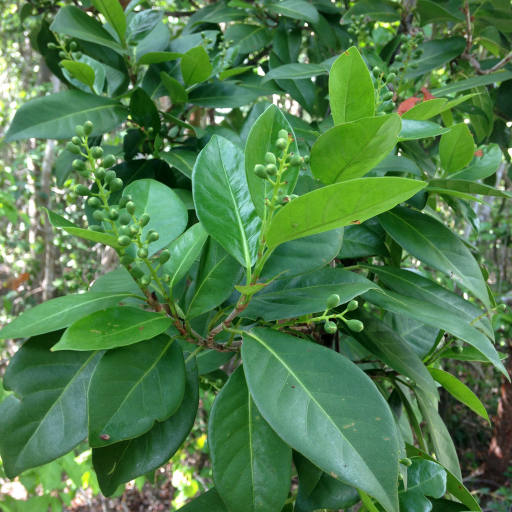
- 🍃 Variable Foliage: True to its name (diversifolia means "different leaves"), you will find leaves of various shapes and sizes on the same branch—ranging from oval to oblong with a thick, leathery texture.
- 🪵 Distinctive Bark: The bark is smooth and light gray, often flaking off in thin, plate-like patches to reveal a reddish or darker underlayer, similar to a Crape Myrtle.
- 🍇 Dangling Fruits: In late summer, the tree produces long, hanging clusters of small green fruits that eventually ripen into a deep, dark purple-black.
🏡 In Your Garden
- 🌊 Coastal Warrior: This is one of the most salt-tolerant trees available. It is perfect for "front-line" planting near the ocean where salty air would burn the leaves of less hardy species.
- 🐦 Wildlife Magnet: If you enjoy birdwatching, this tree is a top choice. As the name suggests, pigeons, mockingbirds, and other local wildlife flock to the branches to feast on the berries during the fall.
- 🌱 Slow and Steady: It is a slow-growing species, which is a blessing for homeowners. It won't quickly outgrow its space, and its deep taproot makes it exceptionally drought-tolerant once established.
⚠️ Safety & Toxicity
- ✅ Safe for All: The Pigeonplum is considered non-toxic to humans, cats, and dogs.
- 🍽️ Edible Berries: The small fruits are edible and have a tart, acidic flavor. While they aren't often eaten raw by people due to a large seed and thin flesh, they are historically used to make flavorful jellies and wines.
✨ Fun Fact
The Pigeonplum is a close relative of the Sea Grape (Coccoloba uvifera). While they look similar, you can tell them apart by the leaves: the Sea Grape has massive, circular leaves, whereas the Pigeonplum has much smaller, teardrop or oval-shaped leaves.

Detailed Care Instructions
To grow Coccoloba diversifolia, also known as Pigeon Plum or Sea Grape, you can follow these steps:
- Choose the right location: Pigeon Plum thrives in full sun but can tolerate partial shade. Ensure that the soil is well-draining and slightly acidic.
- Obtain healthy seeds or seedlings: You can purchase the seeds or young plants from a local nursery or online. Choose healthy specimens with no signs of disease or damage.
- Prepare the soil: If the soil is heavy and compacted, you may need to improve its drainage by adding organic matter like compost or well-rotted manure. Ensure the soil is loose and friable.
- Planting seeds: If starting from seeds, sow them in a seed tray or small pots with well-draining potting mix. Plant the seeds about 1/4 inch deep and cover them lightly with soil. Keep the soil moist, and germination should occur within a few weeks.
- Planting seedlings: If starting from seedlings, dig a hole slightly larger than the root ball and gently place the seedling into the hole. Backfill the hole with soil, ensuring the top of the root ball is slightly above ground level.
- Watering: Coccoloba diversifolia needs regular watering, especially during the initial stages of growth. Water the plant deeply until the soil is evenly moist. Once established, it can tolerate drought but still benefits from occasional watering during prolonged dry spells.
- Mulching: Apply a layer of organic mulch around the base of the plant to conserve moisture, suppress weeds, and provide nutrients as it breaks down.
- Pruning: Pigeon Plum grows into a large shrub or small tree, but it can be pruned to maintain a desired shape. Prune any dead or damaged branches and trim back excessive growth to encourage denser foliage.
- Fertilizing: Apply a balanced slow-release fertilizer according to package instructions once or twice a year in spring and/or early summer.
- Pests and diseases: Pigeon Plum is generally resistant to pests and diseases. However, occasional infestations of aphids or scale insects may occur. Monitor the plant regularly and treat with an appropriate insecticide if necessary.
- Protect from cold: If you live in a region with frost or cold temperatures, protect young plants from frost by covering them or bringing them indoors until the cold spell has passed.
Remember to consult local gardening resources or experts for specific advice tailored to your location and climate.

Place in a bright room that is sun drenched almost all day. Or directly in a south-facing window.

To water this plant, ensure that the soil is dry to a depth of about 2-3 inches before watering. Use a watering can or hose with a gentle flow to avoid compacting the soil or damaging the plant. Water thoroughly, allowing the water to soak into the soil around the roots. Do not allow the plant to sit in standing water as this can cause root rot. Water less frequently in winter when the plant is dormant.
To fertilize this plant, use a well-balanced fertilizer with a ratio of 10-10-10 or 20-20-20. Dilute the fertilizer according to the package instructions and apply it to the soil around the base of the plant. Avoid getting the fertilizer on the leaves or flowers. Fertilize once a month during the growing season and reduce the frequency during the winter months. Always water the plant thoroughly after fertilizing to help the nutrients penetrate the soil.
Coccoloba Diversifolia plant typically requires a soil that is well-drained but fertile. It should contain a good amount of organic matter such as compost or leaf litter. The pH of the soil should be slightly acidic to neutral, around 6.5-7.5. The plant prefers a sandy loam to loamy soil texture to encourage good drainage.
It is recommended to mix sand or perlite into the soil to ensure good drainage, as these plants do not tolerate standing water. Adding a slow-release fertilizer or organic fertilizer to the soil before planting can help provide necessary nutrients for growth.
Overall, the soil should be loose, light, and well-drained, with good fertility and a slightly acidic to neutral pH.
To propagate this plant, you will need to gather mature, healthy stems from which to take cuttings. These cuttings should be taken in the spring or early summer, when the plant is actively growing, and should be at least 4 inches long.
Once you have collected your cuttings, remove any leaves or flowers from the bottom half of the stem, leaving only a few leaves at the tip. Dip the cut end of the stem in rooting hormone, if desired, and then plant it in a small container filled with moist, well-draining soil.
Keep the container in a warm, humid location with bright but indirect light. Mist the cutting regularly to keep it moist, and check it periodically to see if roots are forming. Once roots have formed and the plant has become established, it can be transplanted into a larger container or outside in a suitable location.








