Plant Overview
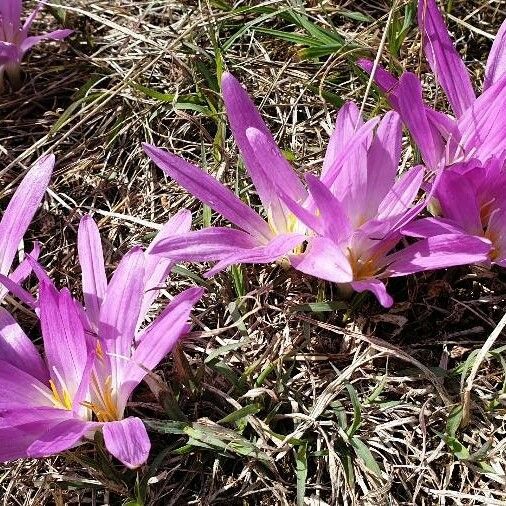
Known as the "Mountain Autumn Crocus" or "Pyrenean Meadow Saffron," this little alpine gem defies the seasons. While most plants prepare for winter dormancy, Colchicum montanum bursts through the dry, rocky soils of the Mediterranean mountains with delicate, star-like petals. Despite its name and appearance, it isn't a true crocus; it belongs to a unique lineage often nicknamed "Naked Ladies" because the flowers frequently appear before the leaves have fully matured.
🔍 How to Identify
- 🌸 The Bloom: Look for six-petaled, lilac-pink or pale purple flowers that spread wide into a star shape, rather than the tight cup shape of a standard crocus.
- 🍃 The Foliage: The leaves are narrow, grayish-green, and strap-like. They usually begin to emerge alongside the flower, eventually forming a small tuft at the base.
- 📏 The Stature: This is a ground-hugging plant, rarely exceeding 2 to 4 inches in height, making it look like a scattered carpet of jewels against the soil.
🏡 In Your Garden
- 🏔️ Mountain Hardiness: Originating from the Pyrenees and the Iberian Peninsula, this plant is an alpine specialist. It thrives in gritty, well-draining soil and can withstand harsh, cold winters followed by hot, dry summers.
- ☀️ Sun Seeker: Unlike woodland bulbs that prefer dappled shade, this species demands full sun to fully open its petals. On cloudy or rainy days, the flowers will remain "sleepy" and tucked away to protect their pollen.
- 🪴 Minimal Disturbance: It grows from a corm (a bulb-like underground storage organ). It strongly resents being moved once established, so it is best suited for permanent rock gardens or heavy troughs where it won't be dug up.
⚠️ Safety & Toxicity
- 🚫 Status: Highly Toxic. Every part of this plant, from the petals to the underground corm, contains colchicine.
- 🐾 Details: It is extremely dangerous if ingested by humans, cats, dogs, or livestock. Symptoms of poisoning are severe and can be fatal. Always wear gloves when planting the corms to avoid potential skin irritation, and keep it well out of reach of curious pets and children.
✨ Fun Fact
The genus name Colchicum is derived from "Colchis," an ancient region on the Black Sea coast. In Greek mythology, this was the home of the sorceress Medea, who was famous for her knowledge of poisons and potions—a fitting namesake for such a beautiful but deadly flower!

Detailed Care Instructions
To grow Colchicum montanum, also known as meadow saffron, you can follow these steps:
- Planting time: The best time to plant Colchicum montanum bulbs is in late summer or early autumn. This gives the bulbs enough time to establish their roots before winter.
- Site selection: Choose a well-drained location in your garden that receives full sunlight or partial shade. Colchicum montanum prefers slightly acidic to neutral soil.
- Soil preparation: Prepare the soil by removing any weeds, rocks, or debris. Loosen the soil with a garden fork or tiller and mix in organic matter, such as compost or well-rotted manure, to improve drainage and nutrient content.
- Bulb planting: Dig holes in the prepared soil, placing the bulbs about 4-6 inches deep and 4-6 inches apart. Position them with the pointed end facing upwards.
- Watering: After planting, thoroughly water the bulbs to ensure good hydration. Keep the soil slightly moist during the growing season while avoiding waterlogging, as excessive moisture can lead to bulb rot.
- Mulching: Applying a layer of organic mulch, such as straw or shredded bark, around the planted bulbs can help conserve moisture and suppress weed growth.
- Maintenance: While Colchicum montanum is a relatively low-maintenance plant, regular maintenance tasks include removing faded flowers and cutting back foliage once it turns yellow. Avoid removing foliage before it naturally dies back, as it provides the bulb with energy for the following year's growth.
- Division: Every few years, consider dividing the bulbs to avoid overcrowding. After the foliage dies back completely, carefully dig up the bulbs, separate them, and replant them in new locations or share with other gardeners.
- Protection: In areas with harsh winters, provide protective mulch or cover the planting area with a layer of straw to insulate the bulbs from extreme cold temperatures. Remove the covering in spring as the shoots emerge.
Colchicum montanum is a beautiful plant that produces attractive pink or purple flowers in the autumn. By following these guidelines, you can successfully grow and enjoy this lovely addition to your garden.

Place in a bright room that is sun drenched almost all day. Or directly in a south-facing window.

Colchicum montanum is a flowering plant that belongs to the Colchicum genus. It is native to mountainous regions and is known for its distinctive and attractive flowers. In order to properly water this plant, you need to consider a few important factors:
1. Soil Moisture: Colchicum montanum prefers moist soil, so it is essential to ensure that the soil remains consistently moist without becoming waterlogged. Water the plant thoroughly but avoid overwatering, as excessive moisture can lead to root rot.
2. Frequency of watering: The frequency of watering depends on various factors such as the climate and the growth stage of the plant. Generally, during the active growing season, which is typically spring and fall for Colchicum montanum, frequent watering is required to maintain adequate moisture levels in the soil.
3. Time of watering: It is recommended to water Colchicum montanum early in the morning or late in the evening when the temperatures are cooler. Watering during these times helps to minimize water loss due to evaporation and allows the plant to efficiently utilize the moisture.
4. Watering technique: To water Colchicum montanum, ensure that the water is applied directly to the soil around the plant's base rather than spraying it over the leaves and flowers. This method helps prevent foliage diseases and minimizes water wastage.
5. Drainage: Proper drainage is crucial for Colchicum montanum as it helps prevent water accumulation around the roots. Make sure the plant is potted in a container or planted in a well-draining soil mixture that allows excess water to flow away easily.
6. Rainwater versus tap water: If possible, consider using rainwater for watering Colchicum montanum. Rainwater is naturally soft and lacks the chemicals and mineral content present in tap water, making it more suitable for the plant's needs. However, if rainwater is not available, tap water can be used, but it is advised to let it sit uncovered for at least 24 hours before watering to allow chlorine and other chemicals to dissipate.
7. Moisture levels during dormancy: While Colchicum montanum is dormant during summer, the water requirements decrease significantly. During this dormant period, it is best to reduce watering and allow the soil to dry out slightly between waterings. This will prevent the bulbs from rotting and prepare the plant for its next growing season.
Remember, these guidelines are general recommendations and might vary based on specific environmental conditions and the plant's individual needs. It's always a good idea to observe the plant closely and adjust your watering routine accordingly to ensure its health and vitality.
- Choose a well-draining pot or garden bed for your Colchicum Montanum plant.
- Before planting, ensure that the soil is prepared by loosening it and removing any weeds or debris.
- Dig a hole or create a shallow trench that is approximately 4-6 inches deep.
- Place the Colchicum Montanum bulb into the hole with the pointed end facing upwards.
- Cover the bulb with soil, ensuring that it is securely positioned and not exposed on the surface.
- Water the newly planted bulb thoroughly, saturating the soil.
- Water regularly, keeping the soil consistently moist but not waterlogged.
- To provide nutrients, you can apply a balanced fertilizer once a month during the active growth period (usually spring and fall).
- Use a slow-release granular fertilizer or a water-soluble fertilizer, following the manufacturer's instructions for application rates.
- Avoid fertilizing in winter when the plant is dormant.
- Monitor the plant's growth and adjust fertilization as needed, based on its appearance and health.
- Periodically replenish the top layer of soil with compost or organic matter to improve soil fertility and structure.
- Ensure that the plant receives adequate sunlight according to its specific light requirements.
- If growing the plant in a pot, consider repotting every few years to refresh the soil and provide additional nutrients.
- Regularly observe the plant for any signs of nutrient deficiencies or excesses, such as yellowing leaves or stunted growth, and adjust fertilization accordingly.
Colchicum montanum is a perennial plant that thrives in well-draining soil with sufficient moisture and nutrient content. It prefers a slightly acidic to neutral pH range of around 6.0-7.5.
When selecting soil for Colchicum montanum, it is important to choose a light and loamy mixture. Loamy soil contains a balanced mixture of sand, silt, and clay, which promotes good drainage while also retaining adequate moisture levels.
To enhance drainage and prevent waterlogging, incorporate organic matter such as well-rotted compost or aged leaf mulch into the soil. This will help create a friable texture and improve moisture retention capabilities.
Additionally, ensure that the soil is rich in nutrients. You can achieve this by adding organic fertilizers or slow-release granular fertilizers, specifically balanced for flowering plants like Colchicum montanum. These fertilizers should be applied according to the manufacturer's instructions.
Avoid using heavy clay soil or heavy peat-based soil, as they can retain excess water, potentially leading to root rot. Similarly, sandy soil should be avoided as it drains too quickly and may result in inadequate moisture levels for the plant.
It is important to note that Colchicum montanum prefers well-drained soil but also requires consistent moisture throughout its growing season. Water the plant regularly, especially during dry spells, ensuring that the soil remains slightly moist but not waterlogged.
In conclusion, for optimal growth and development of Colchicum montanum, it is recommended to use a light, loamy soil with good drainage and sufficient organic matter to retain moisture and provide the necessary nutrients.
Colchicum montanum, a perennial flowering plant, can be propagated through various methods such as division, bulb offsets, and seed sowing. Here are detailed steps on how to propagate this plant:
- Division method:
a. Choose a mature Colchicum montanum plant that has established a good clump of bulbs.
b. During the dormant season (late summer or early autumn), carefully dig up the plant using a garden fork or spade.
c. Gently separate the bulbs, ensuring that each division has its own root system and healthy foliage.
d. Replant the divided bulbs immediately into new locations, taking into account their desired spacing.
- Bulb offsets propagation:
a. Wait for the plant to produce bulb offsets, which are small bulbs that form around the base of the main bulb.
b. When the plant enters its dormant phase, carefully lift the entire clump of Colchicum montanum from the ground.
c. Separate the bulb offsets from the parent bulb, ensuring that each offset has its own roots and foliage.
d. Plant the offsets immediately into prepared soil or containers, ensuring they are at the appropriate depth (typically with the tip of the bulb just below the soil surface).
- Seed sowing method:
a. Collect mature seeds from the Colchicum montanum plant once the seed pods have dried and turned brown.
b. Prepare a seed tray or small pots with well-draining soil mix, which should ideally contain a mixture of peat, perlite, or sand.
c. Sow the seeds on the surface of the soil and gently press them down, ensuring they make good contact with the soil.
d. Keep the soil consistently moist by misting or watering lightly.
e. Place the seed tray or pots in a cool, shaded location such as a greenhouse or on a windowsill.
f. It may take several weeks or even months for the seeds to germinate. Once they have sprouted, provide them with a bit more light, gradually acclimating them to brighter conditions.
Remember to provide the propagated Colchicum montanum plants with appropriate care, including adequate sunlight, well-draining soil, and regular watering to ensure successful establishment and growth.








