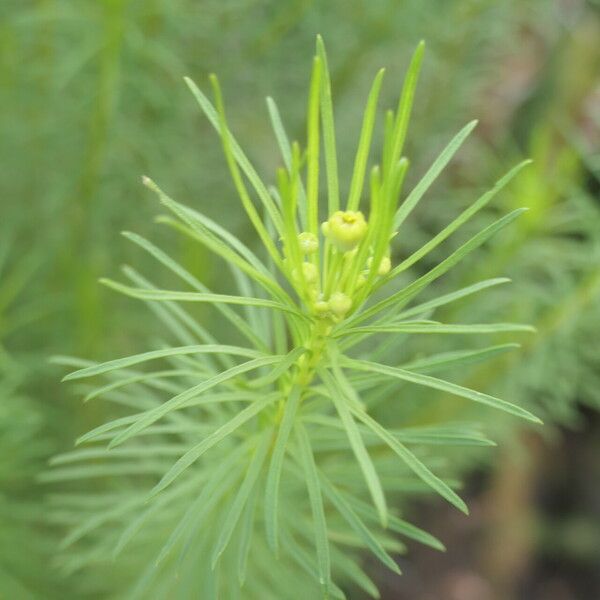
Plant Overview
Often called the "White Diosma" or "Breath of Heaven," this South African beauty earns its name from the sweet, honey-like fragrance that wafts from its foliage. Native to the rugged coastlines of the Western Cape, it is a hardy evergreen shrub that looks like a soft, green cloud in the landscape. Whether caught in a coastal breeze or brushed against by a passerby, it releases a refreshing scent that has made it a favorite in sensory gardens for centuries.
🔍 How to Identify
- 🌿 Foliage: The leaves are tiny, needle-like, and bright green. They are densely packed along the stems, giving the plant a soft, feathery appearance.
- 🌸 Blooms: From winter through late spring, the shrub is smothered in thousands of tiny, five-petaled white flowers that look like miniature stars.
- 👃 Scent: When the leaves are crushed or even lightly touched, they release a potent, spicy, and pleasant aroma similar to citrus or anise.
🏡 In Your Garden
- 🌬️ Coastal Toughness: Because it evolved on windy cliffs, it is incredibly wind-resistant and salt-tolerant, making it the perfect choice for seaside gardens where other plants might wither.
- ✂️ Pruning Nuance: It responds beautifully to light shearing, which helps it maintain a tight, mounding shape. However, avoid cutting back into old, woody stems, as it may struggle to sprout new growth from very old wood.
- 🌱 Root Sensitivity: This plant hates having its feet "fiddled with." It has a sensitive root system and prefers to be planted in well-draining, slightly acidic soil and then left alone to establish itself without being moved.
⚠️ Safety & Toxicity
- ✅ Safe Status: Coleonema album is generally considered non-toxic to humans, cats, and dogs.
- 🧤 Skin Sensitivity: While not poisonous, the essential oils in the leaves can occasionally cause mild skin irritation or "contact dermatitis" in people with very sensitive skin. Wearing gloves while pruning is a good precaution.
✨ Fun Fact
In its native South Africa, traditional fishermen used to rub the aromatic leaves of the White Diosma on their hands to mask the human scent before handling their fishing lines and bait!

Detailed Care Instructions
To grow Coleonema Album (White Breath of Heaven) plants, follow these steps:
- Choose the right location: Coleonema Album requires full sun or partial shade. Ensure that the location receives at least 6-8 hours of direct sunlight each day.
- Soil preparation: Coleonema Album prefers well-draining soil with a pH level of 6.5 to 7. Amend the soil with organic matter like compost or well-rotted manure to improve drainage and fertility.
- Planting: Dig a hole slightly larger than the root ball of the Coleonema Album plant. Place the plant in the hole, ensuring that it sits at the same level as it was in the nursery pot. Backfill the hole with soil, gently pressing it down to remove air pockets.
- Watering: Water the newly planted Coleonema Album deeply, saturating the root zone. Afterward, water regularly but avoid overwatering, as the plant prefers slightly dry conditions. Allow the topsoil to dry out partially between watering sessions.
- Mulching: Apply a layer of organic mulch around the base of the plant to conserve moisture, suppress weed growth, and regulate soil temperature. Keep the mulch a few inches away from the stem to prevent rot.
- Fertilizing: Coleonema Album is a relatively low-maintenance plant and does not require much fertilization. However, you can apply a slow-release, balanced fertilizer in early spring to promote healthy growth.
- Pruning: Regular pruning is necessary to maintain the shape and promote bushiness. Prune back about one-third of the growth in early spring to encourage dense foliage. You can also remove any dead or damaged stems throughout the year.
- Pests and diseases: Coleonema Album is generally pest and disease resistant. However, keep an eye out for aphids, scale insects, or mealybugs. If infestations occur, treat them with organic insecticidal soaps or horticultural oils.
- Propagation: Coleonema Album can be propagated through semi-hardwood cuttings taken in late summer or early autumn. Dip the cut ends in rooting hormone and place in a well-draining soil mix. Keep the cuttings moist and provide indirect sunlight until they root.
By following these guidelines, you can successfully grow Coleonema Album plants and enjoy their attractive foliage and delicate white blooms.

Place in a bright room that is sun drenched almost all day. Or directly in a south-facing window.

1. The watering requirements for Coleonema Album plant depend on various factors such as the season, weather conditions, and the growth stage of the plant.
2. Begin by observing the soil moisture level before watering. The top layer of the soil should be slightly dry to the touch.
3. Use a watering can or a garden hose with a gentle spray nozzle to provide a controlled and even flow of water.
4. Water the plant at the base, aiming for the root zone rather than wetting the leaves or stems excessively. This helps prevent diseases and fungal issues.
5. Avoid overwatering as it can result in root rot or other problems. It is better to underwater slightly than to overwater.
6. During hot summer months, the plant may require more frequent watering, especially if it is grown in sandy soil that tends to dry out quickly.
7. Consider the rainfall in your area when determining the watering schedule. If there has been sufficient rainfall, you may need to reduce the frequency of watering.
8. Water the plant thoroughly but do not let it sit in standing water or become waterlogged. Good drainage is essential to prevent root rot.
9. Mulching the soil around the base of the plant can help retain moisture and regulate soil temperature. This reduces the frequency of watering and helps maintain soil moisture levels.
10. Regularly monitor the plant and adjust the watering routine as needed, keeping in mind that different factors like temperature, humidity, and the plant's growth stage may influence its water requirements.
To fertilize Coleonema Album plant, follow the instructions below:
- Choose a balanced, slow-release fertilizer specifically formulated for shrubs or flowering plants.
- Dilute the fertilizer according to the manufacturer's instructions.
- Apply the fertilizer in early spring, just before new growth emerges.
- Make sure the soil is moist before applying the fertilizer.
- Spread the diluted fertilizer evenly around the base of the plant, taking care not to pour it directly onto the stems or foliage.
- Use a garden fork or rake to lightly work the fertilizer into the top layer of soil.
- Water the plant thoroughly after applying the fertilizer to help it absorb the nutrients.
- Avoid over-fertilizing, as it can damage the plant. Follow the recommended dosage provided by the manufacturer.
- Monitor the plant's growth and adjust the fertilization regimen if necessary.
The most suitable type of soil for Coleonema Album plants is a well-draining and nutrient-rich soil. It should have a pH level between slightly acidic and slightly alkaline, ideally in the range of 6.0 to 7.5. The soil texture should be loamy, which means it should contain an even mixture of sand, silt, and clay.
Coleonema Album plants thrive in soils that retain some moisture while allowing excess water to drain away. Therefore, it is crucial for the soil to be well-draining to prevent waterlogging, as this can lead to root rot and other diseases. Adequate drainage can be achieved by adding organic matter, such as compost or well-rotted manure, to the soil prior to planting.
In terms of fertility, the soil for Coleonema Album should be moderately fertile. This can be achieved by incorporating organic matter into the soil at planting time and regularly replenishing it with compost or organic fertilizers during the growing season. Organic matter not only improves the soil's fertility but also enhances its ability to retain moisture.
To ensure proper growth and development of the plant, it is recommended to provide a layer of mulch around the base. This will help in retaining soil moisture, suppressing weed growth, and regulating soil temperature.
Overall, a well-draining, slightly acidic to slightly alkaline, loamy soil with added organic matter and moderate fertility is ideal for Coleonema Album plants.
To propagate Coleonema Album plants, follow these steps:
- Select a healthy parent plant: Choose a mature Coleonema Album plant that is disease-free and displays vigorous growth.
- Prepare the propagation material: Take stem cuttings of about 4-6 inches in length from the parent plant. Make sure to use sterilized pruning shears or a sharp knife to minimize damage to the plant.
- Remove lower leaves: Strip off the lower set of leaves from the stem cuttings, leaving only a few pairs of leaves towards the tip. This will help reduce water loss and focus energy on root development.
- Dip in rooting hormone (optional): Although not necessary, you may choose to dip the bottom inch of the cuttings into a rooting hormone powder or gel. This can enhance root development and improve success rates.
- Prepare the growing medium: Prepare a well-draining rooting medium by mixing equal parts of peat moss and perlite or vermiculite. Alternatively, you can use a well-draining potting mix.
- Plant the cuttings: Create small holes in the rooting medium using a pencil or your finger. Gently place the bottom end of each cutting into the hole, ensuring that at least one pair of leaves remains above the surface. Firmly press the medium around the cutting to secure it in place.
- Provide optimal growing conditions: Place the cuttings in a warm, bright location with indirect sunlight. Avoid direct sunlight as it can scorch the delicate cuttings. Maintain a temperature of around 70-80°F (21-27°C) to promote root development.
- Mist and maintain humidity: Mist the cuttings lightly with water and cover the container with a plastic bag or a clear plastic dome to create a humid environment. This will help prevent excessive moisture loss and expedite root growth.
- Watering the cuttings: Keep the rooting medium slightly moist but not overly wet. Check the moisture levels regularly and water whenever the top inch of the medium feels dry to the touch.
- Monitor and wait for rooting: It typically takes 4-6 weeks for the Coleonema Album cuttings to develop roots. You can gently tug on the cuttings after this period to check for resistance, indicating successful root development.
- Transplanting: Once the cuttings have rooted, carefully transplant each cutting into its individual pot filled with a well-draining potting mix. Water thoroughly after transplanting and continue to provide appropriate care as the new plant establishes itself.
By following these steps, you can successfully propagate Coleonema Album plants and expand your collection.








