Plant Overview
Known affectionately as the "Breath of Heaven" or "Pink Diosma," Coleonema pulchrum is a delicate, cloud-like shrub originating from the fynbos regions of South Africa. It earned its ethereal nickname from the sweet, honey-scented fragrance that wafts from its foliage whenever it is brushed or bruised. This plant is a favorite for sensory gardens, offering a soft, misty aesthetic that looks as though a pink cloud has drifted into the landscape.
🔍 How to Identify
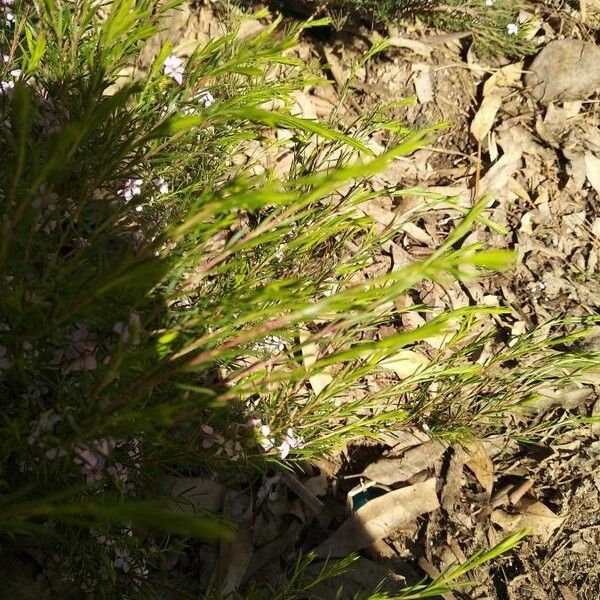
- 🌿 The Foliage: Features incredibly fine, needle-like leaves that are bright green and soft to the touch, resembling a cross between heather and a miniature pine.
- 🌸 The Flowers: Tiny, five-petaled, star-shaped blossoms that range from pale shell-pink to deep magenta, coating the tips of the branches in a dense "mist."
- 🌬️ The Habit: Grows as a rounded, airy mound with slender, flexible stems that sway gracefully with the slightest breeze.
🏡 In Your Garden
- 💨 Wind & Air: While it loves a breezy spot to help distribute its scent, its branches can be somewhat brittle; planting it as a "filler" between sturdier shrubs provides the structural support it needs during storms.
- ✂️ Shape Management: This plant thrives on light "haircuts" immediately after the flowering season ends; however, avoid cutting back into the old, woody interior, as it lacks the buds to regenerate from the center.
- 🚿 Drainage Nuance: It is highly susceptible to root rot in heavy clay; it prefers "lean" soil that mimics its coastal mountain origins, where water moves rapidly through sand or gravel.
⚠️ Safety & Toxicity
- ✅ Status: Generally considered non-toxic to humans, cats, and dogs.
- 🧤 Skin Sensitivity: The leaves contain potent essential oils. While pleasant-smelling, these oils can occasionally cause mild skin irritation or "phytophototoxicity" in sensitive individuals if they handle the plant in bright sunlight.
- 🍽️ Not for Consumption: Although not deadly, it is an ornamental plant and should not be ingested, as the high oil content can cause stomach upset.
✨ Fun Fact
Fishermen in South Africa traditionally used the crushed leaves of the Breath of Heaven to scrub their hands. The plant's natural oils are so effective at neutralizing strong scents that it was the original "deodorant" used to remove the stubborn smell of bait and fish!

Detailed Care Instructions
To grow Coleonema pulchrum (also known as Pink Breath of Heaven), follow these steps:
- Choose the right location: The plant prefers full sun to partial shade and well-draining soil. Make sure the chosen spot gets at least 6 to 8 hours of direct sunlight every day.
- Prepare the soil: Coleonema pulchrum thrives in sandy or loamy soil with a slightly acidic to neutral pH. If the soil is heavy or clay-like, improve drainage by adding compost or organic matter.
- Planting: Dig a hole that is twice as wide and just as deep as the root ball. Gently remove the plant from its container and place it into the hole. Backfill the hole with soil and firm it gently around the base of the plant.
- Watering: After planting, water the plant thoroughly to settle the soil and ensure good root-to-soil contact. Follow a regular watering schedule, keeping the soil moist but not waterlogged. During dry periods, water deeply once or twice a week.
- Mulching: Apply a layer of organic mulch, such as bark chips or straw, around the base of the plant. This will help retain moisture, suppress weed growth, and keep the soil cool.
- Pruning: Coleonema pulchrum benefits from pruning to maintain its compact shape and encourage bushier growth. Prune lightly after flowering to remove any spent flowers or overly long branches. Avoid cutting into old wood, as this may negatively impact regrowth.
- Fertilizing: Feed the plant with a balanced slow-release fertilizer in spring, following the product instructions. This will provide the necessary nutrients for healthy growth and flowering.
- Pests and diseases: Coleonema pulchrum is relatively resistant to pests and diseases. However, keep an eye out for aphid infestations or fungal diseases. If necessary, treat accordingly with organic insecticides or fungicides.
- Winter care: Native to South Africa, Coleonema pulchrum is cold-hardy but may require protection in frost-prone regions. Apply a layer of mulch around the root zone to insulate the soil and protect the plant's roots during the winter months.
By following these steps, you should be able to successfully grow and care for your Coleonema pulchrum plant.

Place in a bright room that is sun drenched almost all day. Or directly in a south-facing window.

To water this particular plant, you should first check the soil to see if it is dry. If the soil is dry to the touch, then it is time to water. Use a watering can or hose with a gentle flow to avoid disturbing the soil and plant. Water the plant at the base, making sure the water is reaching the roots. Do not overwater the plant as it can lead to root rot and other diseases. Check the soil regularly and adjust watering frequency as needed depending on the climate and humidity levels. It is also important to make sure the pot or planting area has proper drainage to avoid waterlogging.
To fertilize this plant, simply apply a balanced fertilizer in the spring and summer months, following the instructions on the label. Be careful not to over-fertilize, as this can damage the plant. Additionally, provide adequate water and sunlight to promote healthy growth.
Coleonema Pulchrum requires a well-draining soil that is slightly acidic, with a pH level of 5.5 to 6.5. Sandy loam soil is ideal for this plant, but it can also grow well in soils containing some clay. The soil should be rich in organic matter and nutrients, which can be achieved by adding compost or well-rotted manure. It is important to avoid using heavy soils that retain water, as this can lead to root rot. The plant should be grown in a location that receives full sun to ensure proper growth and flowering.
To propagate this plant, take a stem cutting that is at least 4 inches long and remove any leaves from the lower 2 inches. Dip the end of the cutting in rooting hormone powder and plant it in a well-draining potting mix. Keep the soil moist and the cutting in a bright, indirect light location. After a few weeks, roots should begin to form and new growth will appear. Once the cutting has established roots, it can be transplanted into a larger pot or outside into the garden.








