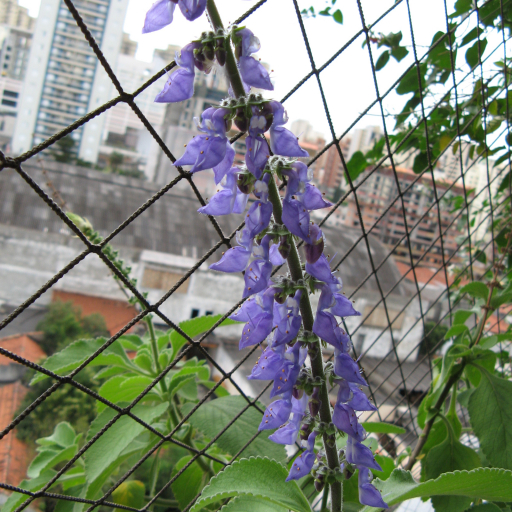
Plant Overview
Known widely as the Indian Coleus or the "Forskolin Plant," Coleus barbatus is a vibrant member of the mint family that bridges the gap between ornamental beauty and ancient herbalism. Native to the mountain slopes of India, Nepal, and parts of East Africa, this hardy perennial is celebrated for its striking electric-blue flower spikes and its long history in Ayurvedic medicine. Whether you’re growing it for its velvety foliage or its legendary roots, it adds a touch of tropical structure to any bright space.
🔍 How to Identify
- 🍃 The Foliage: The leaves are thick, fleshy, and oval-shaped with distinct "scalloped" or tooth-like edges. They are covered in a fine layer of soft, velvety hairs that give the plant a silvery sheen under the sun.
- 🪻 The Blooms: It produces tall, upright spikes of intensely blue or deep violet flowers. These blossoms emerge in late summer or autumn, creating a stunning contrast against the lime-green leaves.
- 👃 The Scent: If you crush a leaf, it releases a pungent, aromatic fragrance—a mix of camphor and earthy mint—which often helps deter unwanted garden pests.
🏡 In Your Garden
- ☀️ Sun & Drainage Nuance: Unlike many of its shade-loving Coleus cousins, Coleus barbatus thrives in bright light. It possesses a succulent-like nature, meaning it stores water in its stems. It "hates wet feet" and will quickly suffer from root rot if the soil doesn't drain rapidly.
- ✂️ Growth Habit: This plant can become quite "leggy" or woody if left to its own devices. To keep it looking like a lush garden inhabitant rather than a wild shrub, pinch back the growing tips regularly to encourage a bushier, more compact shape.
⚠️ Safety & Toxicity
- 🐾 Pet Sensitivity: While generally safe for humans to handle, the essential oils and compounds within the leaves can be toxic to dogs, cats, and horses if ingested in large quantities, potentially leading to digestive upset or lethargy.
- 🌿 Skin Irritation: Some sensitive individuals may experience mild skin redness or "contact dermatitis" when handling the sap or the hairy leaves. It is always best to wear gloves if you have sensitive skin and are performing heavy pruning.
✨ Fun Fact
Coleus barbatus is the only known natural source of Forskolin, a unique compound that has been used in modern medical research to study everything from heart health to respiratory conditions! It’s a rare example of a common garden plant providing a chemical "key" used in high-tech laboratories.

Detailed Care Instructions
To grow Coleus Barbatus plant, follow these steps:
- Obtain the seeds or seedlings: You can either buy Coleus Barbatus seeds online or get seedlings from a nursery.
- Choose the right location: Coleus Barbatus prefers partial shade to full sun. Make sure the chosen area receives at least 4-6 hours of sunlight a day.
- Prepare the soil: Coleus Barbatus thrives in well-draining soil. Add organic matter, such as compost or peat moss, to improve drainage and enrich the soil.
- Sow the seeds or transplant the seedlings: If starting from seeds, sow them in the prepared soil about 1/8 inch deep. If using seedlings, dig a hole slightly larger than the root ball and place the plant in it.
- Water regularly: Keep the soil moist but not waterlogged. Coleus Barbatus likes consistently moist soil, but avoid overwatering as it can lead to root rot.
- Mulch: Apply a layer of organic mulch, such as straw or wood chips, around the plants to conserve moisture and suppress weed growth.
- Fertilize: Coleus Barbatus benefits from regular fertilizing. Use a balanced, slow-release fertilizer every 6-8 weeks to promote healthy growth. Follow the package instructions for proper dosage.
- Prune: To encourage bushier growth, pinch or prune back the tips of the plant regularly. This will also prevent the plant from becoming leggy.
- Protect from extreme temperatures: Coleus Barbatus is not frost tolerant, so make sure to bring it indoors or cover it during cold weather.
- Monitor for pests and diseases: Keep an eye out for common garden pests, such as aphids or spider mites. Treat any infestations promptly with organic or chemical insecticides if necessary.
By following these steps, you should be able to grow healthy and thriving Coleus Barbatus plants.

Place in a window with dappled sun or a spot in the middle of a room. Or directly in a window facing west or east.

Coleus barbatus, commonly referred to as Plectranthus barbatus or Indian Coleus, is a perennial plant in the Lamiaceae family. Here is a detailed guide on watering and maintaining this plant:
1. Assess the soil: Check the moisture level of the soil before watering to determine if it is necessary. Insert your finger about an inch deep into the soil to feel for moisture. Avoid watering if the soil feels damp, as overwatering can lead to root rot.
2. Watering frequency: Coleus barbatus typically prefers slightly moist soil, so water it when the top layer of soil becomes dry. The ideal frequency may vary depending on factors such as temperature, humidity, and the type of pot or container you are using. As a general guideline, watering once or twice a week is suitable for most indoor environments.
3. Water quantity: When watering Coleus barbatus, ensure that you provide water until it starts to seep out of the drainage holes at the bottom of the pot. This helps ensure thorough hydration and prevents water from stagnating at the bottom of the container.
4. Watering method: To avoid wetting the foliage excessively, which can make the plant prone to diseases, it is recommended to water directly at the base of the plant near the soil. This helps deliver water directly to the roots.
5. Consider environmental conditions: Environmental factors such as temperature, humidity, and sun exposure influence the water needs of Coleus barbatus. During hotter months or in environments with low humidity, the plants may require more frequent watering. In contrast, during cooler periods or in humid conditions, less frequent watering may be necessary.
6. Drainage: Ensuring proper drainage is crucial to prevent waterlogging, which can cause the roots to rot. Choose a well-draining potting mix or soil and place the plant in a container with drainage holes. This allows excess water to escape, preventing water buildup.
7. Monitor plant response: Keep an eye on the plant's overall health and appearance. If the leaves start to wilt or turn yellow, it may indicate underwatering. On the other hand, if the leaves are dropping or turning brown, it may suggest overwatering. Adjust your watering routine accordingly.
Remember that individual plant care may vary, and it's always important to observe the specific needs of your Coleus barbatus plant. Regularly monitoring the moisture level of the soil, assessing environmental conditions, and paying attention to the plant's response will help you establish an optimal watering routine for healthy growth.
- Choose a balanced fertilizer with an N-P-K ratio of around 10-10-10 or 20-20-20.
- Dilute the fertilizer according to the package instructions. Typically, a ratio of 1 tablespoon of fertilizer to 1 gallon of water is recommended.
- Apply the diluted fertilizer around the base of the plant, avoiding direct contact with the leaves or stem.
- Water the plant thoroughly after fertilizing to ensure the nutrients penetrate the root zone.
- Fertilize the Coleus Barbatus plant once every 4-6 weeks during the growing season, typically from spring to fall.
- Monitor the plant for any signs of over-fertilization, such as burnt or yellowing leaves, and adjust the fertilization frequency or dilution ratio accordingly.
- Consider using organic fertilizers or slow-release granular fertilizers for a more sustainable and long-lasting nutrient supply.
- Follow any specific instructions provided by the fertilizer manufacturer for optimal application and dosage.
When selecting soil for the Coleus Barbatus plant, it is important to choose a well-draining substrate that promotes optimal growth and development. The ideal soil composition should contain a balanced mixture of organic matter, sand, and loam to ensure adequate aeration and moisture retention. This combination will facilitate root penetration and prevent waterlogged conditions that may lead to root rot.
A soil with a slightly acidic to neutral pH ranging from 6.0 to 7.0 is generally recommended for this plant species. This range allows for the proper uptake of essential nutrients and supports healthy growth. Additionally, a fertile soil enriched with nutrients, such as nitrogen, phosphorus, and potassium, will contribute to vigorous foliage growth and vibrant blooms.
In terms of texture, the soil should have a loamy consistency, ensuring that it is well-draining yet retains enough moisture for consistent hydration of the roots. Sandy soils are beneficial as they prevent waterlogging and allow excess water to drain freely, reducing the risk of root rot. However, it is important to strike a balance, as sandy soils tend to dry out more quickly and may require more frequent watering.
Adding organic matter in the form of compost or well-rotted manure to the soil is advantageous. This enhances soil fertility, improves moisture retention, and promotes beneficial microbial activity that aids in nutrient availability. Organic matter also helps to improve the overall structure of the soil, making it easier for the roots to penetrate and establish.
In summary, consider using a well-draining, slightly acidic to neutral, fertile soil with a balanced mixture of organic matter, sand, and loam for the successful cultivation of the Coleus Barbatus plant.
Coleus barbatus is a perennial plant that can be propagated through various methods such as stem cuttings, division, and seeds.
- Stem cuttings: Select a healthy stem from the existing plant to propagate. Make a clean cut just below a leaf node using a sterile gardening tool. Remove any lower leaves, leaving only a few leaves at the top. Dip the cut end in rooting hormone powder. Plant the cutting in a well-draining potting mix, leaving at least one or two leaf nodes buried in the soil. Keep the cutting in a warm and humid environment, preferably under a clear plastic bag or a propagation dome. Water the cutting occasionally, ensuring the soil remains moist but not waterlogged. Within a few weeks, the cutting will develop roots and can be gradually acclimatized to a normal growing environment.
- Division: This method is applicable for mature Coleus barbatus plants that have multiple stems and root systems. Gently and carefully dig out the entire plant from the ground or container, ensuring not to damage the roots. Shake off excess soil to expose the root system. Identify natural divisions or separate the plant into smaller sections using sterile garden tools. Each section should have healthy roots and stems. Replant each division in its own pot or desired location, making sure to water thoroughly. Keep the newly divided plants shaded for a few days to minimize transplant shock.
- Seeds: Coleus barbatus produces small seeds in the form of capsules. Collect fully matured capsules from the plant when they turn brown and begin to split open. Extract the seeds from the capsules and remove any debris or chaff. Fill a seed tray or individual containers with a well-draining soil medium. Sow the seeds onto the soil surface and cover lightly with a thin layer of fine soil. Mist the surface to keep it moist. Place the tray or containers in a warm and brightly lit area, but avoid direct sunlight. Germination usually takes around one to two weeks. Once the seedlings develop several sets of true leaves, they can be transplanted into larger containers or the desired location.
Remember to provide consistent care for the propagated plants, including regular watering, well-draining soil, and appropriate lighting conditions.
Common pests of the ajwain plant include Mealybugs, spider mites, thrips. Make a habit of checking your ajwain plant frequently for pests so that any infestations can be caught and managed early.








