Plant Overview
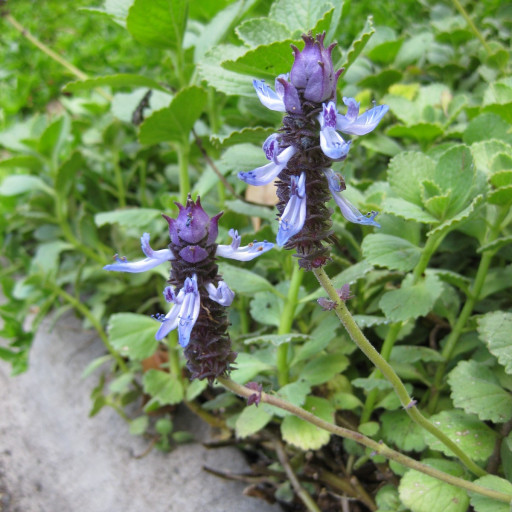
Known as the "Lobster Bush" or the "Smelly Plectranthus," Coleus neochilus is a hardy, aromatic succulent that hails from the dry thickets of Southern Africa. It has earned a reputation in folklore as a "scaredy-cat plant" or "mosquito starter," believed by many to ward off unwanted garden visitors with its pungent, herbal scent. This tough groundcover is a favorite for those who want vibrant purple blooms without the high-maintenance demands of traditional garden flowers.
🔍 How to Identify
- 🦞 Lobster-Claw Blooms: The most striking feature is its inflorescence—dark purple to deep blue flowers that are stacked vertically, resembling the shape of a lobster’s claw or a small succulent pinecone.
- 🍃 Fleshy Foliage: The leaves are thick, succulent-like, and grey-green. They have a soft, velvety texture with distinctively scalloped (crenate) edges.
- 👃 Aromatic Signature: When touched or bruised, the foliage releases a very strong, musky, almost skunky odor that is unmistakable.
🏡 In Your Garden
- ☀️ Sun-Loving Survivor: This plant thrives in the "neglected" corners of the garden. It is exceptionally drought-tolerant and actually develops a tighter, more attractive shape when grown in poor soil with plenty of sunlight.
- 🌱 Natural Barrier: Because of its spreading habit and pungent scent, it is often used as a border plant. While its ability to repel snakes or cats is debated among scientists, its presence certainly adds a sensory layer to any landscape design.
⚠️ Safety & Toxicity
- 🐾 Pet Safety: While not considered highly toxic like its relative the Coleus scutellarioides, the essential oils in the leaves can cause mild stomach upset if ingested by curious cats or dogs.
- 🤚 Skin Sensitivity: The strong oils may cause mild skin irritation or a lingering smell on the hands of sensitive individuals. It is best to wear gloves if you are pruning a large patch.
✨ Fun Fact
In many parts of the world, Coleus neochilus is affectionately called the "Woods’ Dog-off" because of the long-standing (though unproven) belief that dogs and cats find the smell so offensive they will avoid any area where the plant is growing!

Detailed Care Instructions
To grow Coleus Neochilus plant, you can follow these steps:
- Find a suitable location: Coleus Neochilus plants prefer partial to full shade, so choose a location that receives indirect sunlight or shade for most of the day.
- Prepare the soil: Coleus plants thrive in well-draining soil with organic matter. Amend the soil with compost or peat moss to improve drainage and fertility.
- Select healthy plants or propagate from cuttings: You can either purchase young Coleus Neochilus plants from a nursery or propagate them from cuttings. To propagate from cuttings, take stem cuttings about 6 inches long, remove the lower leaves, and place them in a glass of water until roots develop. Once roots form, transplant the cuttings into small pots or directly into the ground.
- Planting: Dig holes in the prepared soil and space them about 12 to 18 inches apart. Place each plant in the hole at the same depth as it was in the nursery pot. Backfill the hole and gently firm the soil around the plant.
- Watering: Water the plants thoroughly after planting and then as needed to keep the soil moist. Coleus Neochilus plants prefer consistently moist but not waterlogged soil. Water deeply whenever the top inch of soil feels dry.
- Fertilizing: Coleus plants benefit from regular feeding. Use a balanced, water-soluble fertilizer or a slow-release granular fertilizer according to package instructions. Apply the fertilizer every 4 to 6 weeks during the growing season.
- Mulching: Apply a layer of organic mulch around the plants to help retain soil moisture and suppress weed growth. Avoid placing the mulch directly against the stems to prevent rot.
- Pruning: Coleus Neochilus plants have a bushy growth habit, and their foliage can become leggy if not pruned regularly. Pinch off the tips of the stems to encourage branching and bushier growth. You can also remove any yellowing or damaged leaves to maintain a tidy appearance.
- Overwintering: In cooler climates, Coleus Neochilus plants are usually grown as annuals. However, you can bring potted plants indoors before the first frost to overwinter them. Place them in a sunny window and reduce watering until spring, when you can move them back outside.
By following these steps, you can successfully grow Coleus Neochilus plants and enjoy their vibrant foliage and unique fragrance.

Place in a bright room that is sun drenched almost all day. Or directly in a south-facing window.

To properly water the plant, it is important to check the soil moisture. Stick your finger about an inch deep into the soil to determine if it's dry or moist. If the soil feels dry, it is time to water the plant. When watering, make sure the water is evenly distributed throughout the soil. Avoid getting water on the leaves to prevent damage to the plant. It is also important not to overwater the plant as it can lead to root rot. Allow the soil to dry out slightly before watering again.
To fertilize the Coleus Neochilus plant, follow these instructions:
- Choose a balanced, water-soluble fertilizer with a ratio of 20-20-20 or similar. The numbers represent the percentage of nitrogen, phosphorus, and potassium in the fertilizer, respectively.
- Dilute the fertilizer according to the package instructions. Typically, a tablespoon of fertilizer per gallon of water should suffice.
- Water the Coleus Neochilus plant thoroughly before applying fertilizer. This helps prevent root burn and ensures the nutrients are evenly distributed in the soil.
- Pour the diluted fertilizer around the base of the plant, avoiding direct contact with the leaves and stems. Take care not to over-fertilize, as it can harm the plant.
- Water the plant again after fertilizing to help carry the nutrients into the soil and prevent any potential damage to the roots.
- Repeat the fertilization process every four to six weeks, or as recommended for the specific fertilizer you are using. Adjust the frequency based on plant growth and health.
Remember to always read and follow the instructions provided on the fertilizer packaging for the best results and to avoid any potential harm to the Coleus Neochilus plant.
When growing Coleus Neochilus plant, it is important to select a suitable soil type that provides it with the optimal growing conditions. This plant thrives in well-draining soil that is rich in organic matter. A recommended soil composition for Coleus Neochilus is a mixture of loam, sand, and peat moss.
Loam soil is a balanced soil type that contains a combination of clay, silt, and sand. It provides good drainage and retains moisture well, allowing the plant's roots to access nutrients while preventing them from becoming waterlogged. The presence of sand in the soil aids in drainage, preventing the build-up of excess water that can lead to root rot. Additionally, sand improves aeration and prevents compaction of the soil.
Peat moss, derived from decomposed plant material, is added to enhance water retention in the soil. It helps to maintain a moist environment around the plant's roots, promoting healthy growth and preventing them from drying out. Peat moss also provides essential nutrients to the plant over time as it gradually decomposes.
Organic matter, such as compost or well-rotted manure, can be incorporated into the soil to enrich it further. This will improve the soil's fertility and provide a steady release of nutrients to the Coleus Neochilus plant.
Overall, the ideal soil for Coleus Neochilus is a well-draining mixture of loam, sand, peat moss, and organic matter. This composition ensures that the plant receives adequate moisture, good drainage, and necessary nutrients for optimal growth and health.
To propagate Coleus Neochilus, follow these steps:
- Select a healthy Coleus Neochilus plant with desirable characteristics. Look for one that is free from diseases or pests and has vibrant foliage.
- Prepare a clean working area by disinfecting your tools, such as pruning shears or sharp scissors, with rubbing alcohol. This is important to prevent the spread of any potential diseases.
- Identify a suitable stem on the Coleus Neochilus plant for propagation. Ideally, choose a stem that is mature, but not woody or overly tough. It should have a few pairs of leaves on it.
- Make a clean cut just below a node, which is the area where the leaf meets the stem. This is where the roots will develop. Ensure that the cutting is around 4-6 inches long for best results.
- Remove any lower leaves on the stem so that only a couple of pairs of leaves remain at the top. This helps redirect the plant's energy towards root development rather than sustaining the foliage.
- Dip the cut end of the stem into a rooting hormone powder or gel. This will encourage the development of roots and increase the chances of successful propagation.
- Prepare a well-draining potting medium by mixing equal parts of perlite and peat moss or a commercial seed-starting mix. Fill a small container with this prepared mixture.
- Create a planting hole in the potting medium using a pencil or your finger. Be careful not to make the hole too deep or narrow.
- Carefully insert the treated end of the Coleus Neochilus cutting into the planting hole. Gently press the potting medium around the stem to hold it in place.
- Water the cutting thoroughly, ensuring that the potting medium is evenly moist but not waterlogged. Place the container in a warm and brightly lit location, away from direct sunlight.
- Provide consistent moisture to the cutting by misting it with water or using a spray bottle. Avoid overwatering, which can lead to rotting.
- After a few weeks, check for signs of root development by gently tugging on the cutting. If there is resistance, roots have likely formed. At this point, you can transplant the rooted cutting into a larger pot or the desired location in your garden.
By following these steps, you should be able to propagate Coleus Neochilus and grow new plants that will showcase its unique and attractive characteristics.
Common pests of the blue lobster flower include Mealybugs, spider mites, thrips. Make a habit of checking your blue lobster flower frequently for pests so that any infestations can be caught and managed early.








