Plant Overview
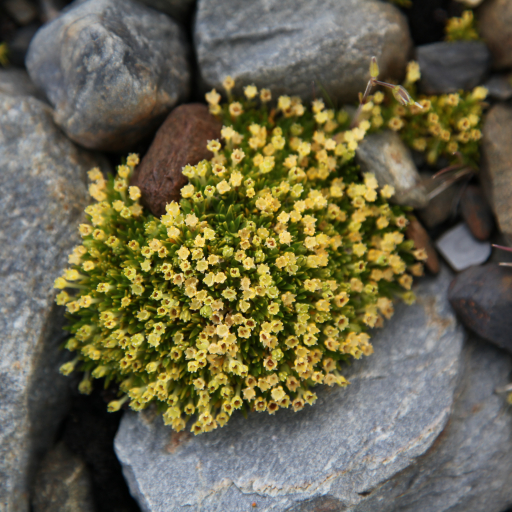
Known as the Antarctic Pearlwort, this tiny marvel is one of only two vascular plants native to the frozen continent of Antarctica. While most plants shiver at the thought of a frost, this "extremophile" thrives in some of the harshest conditions on Earth, from the icy winds of the South Shetland Islands to the high altitudes of the Andes. It is a symbol of biological endurance, often nicknamed the "pioneer of the tundra."
🔍 How to Identify
- 🌿 Growth Habit: It forms low-growing, dense, moss-like cushions or tufts that rarely exceed a few inches in height. This compact shape helps it trap heat and resist being ripped away by gale-force winds.
- 🍃 Leaf Structure: The leaves are bright green, narrow, and needle-shaped (triquetrous). They are stiff to the touch and grow in tight clusters.
- 🌼 Flowers: In the summer, it produces tiny, inconspicuous flowers that lack true petals. They look like small, yellowish-green capsules nestled deep within the foliage to protect themselves from the cold.
🏔️ Habitat & Ecology
- ❄️ Extreme Survival: This plant is a master of the "freeze-thaw" cycle. It produces specialized proteins that act as a biological antifreeze, preventing ice crystals from destroying its cellular structure.
- 🌡️ Climate Indicator: Scientists track Colobanthus quitensis closely; as the Antarctic Peninsula warms, this plant has been rapidly expanding its range, making it a living "thermometer" for global climate change.
- 🪨 Substrate Preference: It prefers rocky crevices, gravelly soil, and areas near penguin colonies where the soil is enriched with nitrogen (though it can handle very nutrient-poor ground).
⚠️ Safety & Toxicity
- ✅ Status: Generally considered non-toxic.
- 🛡️ Ecological Sensitivity: While not poisonous to pets or humans, this is a highly protected species in its native Antarctic range. If you encounter it in the wild (or high in the Andes), it is vital not to disturb the soil or step on the cushions, as they grow incredibly slowly and are part of a fragile ecosystem.
✨ Fun Fact
Colobanthus quitensis can perform photosynthesis at temperatures near freezing and can withstand levels of UV radiation that would wither almost any other garden plant. It literally "sunbathes" in harsh UV rays that would give a human a severe sunburn in minutes!

Detailed Care Instructions
To grow Colobanthus Quitensis, also known as the Antarctic hairgrass or cushion plants, follow these steps:
- Climate and Location: Since Colobanthus Quitensis is native to extreme cold regions, it requires a cold climate to thrive. Ensure your location provides a cold and high-altitude environment similar to the Antarctica or mountainous regions.
- Light Requirements: Choose a sunny spot with at least six hours of direct sunlight each day. Colobanthus Quitensis plants prefer bright light, which helps them produce more flowers.
- Soil Preparation: Prepare well-draining soil with a slightly acidic pH level between 6-7. You can add peat moss or compost to improve drainage and fertility. The soil should also be rich in organic matter to support healthy plant growth.
- Planting: Start by sowing Colobanthus Quitensis seeds in small containers or trays filled with the prepared soil. Sprinkle the seeds on the surface and lightly press them into the soil. Keep the soil moist but not waterlogged.
- Germination: Place the containers in a cool and well-ventilated area, preferably around 65°F (18°C). The seeds usually take 2-4 weeks to germinate. During this time, ensure the soil remains consistently moist.
- Transplanting: Once the seedlings have developed a few true leaves, you can transplant them into their desired location with a spacing of about 6-8 inches (15-20 cm) apart. Handle the delicate seedlings carefully to avoid harming their root systems.
- Watering: Colobanthus Quitensis plants prefer moist soil but can tolerate drier conditions. Water them regularly, especially during dry periods, to keep the soil from drying out completely. Avoid overwatering, as excessive moisture can lead to root rot.
- Fertilization: Feed the plants with a balanced, slow-release fertilizer during the growing season to provide essential nutrients. Follow the manufacturer's instructions for proper application.
- Mulching: Apply a thin layer of organic mulch around the base of the plants to help retain moisture, suppress weed growth, and protect the plant's shallow root system.
- Pruning: This species typically doesn't require much pruning. However, you can remove any dead or damaged foliage to maintain a neat appearance.
- Winter Protection: During extremely harsh winters, you may need to provide some protection to keep the plants from freezing or being damaged. You can cover them with burlap or use a cold frame for added insulation.
Remember, growing Colobanthus Quitensis can be challenging outside of its native habitat due to its specific climate requirements. It may be more suitable for controlled environments like greenhouses or alpine garden setups.

Place in a bright room that is sun drenched almost all day. Or directly in a south-facing window.

This plant is a member of the Caryophyllaceae family and is native to high altitude regions of South America. It is a small, herbaceous plant with fleshy, succulent leaves that are adapted to the extreme cold and harsh weather conditions of its natural habitat.
To water this plant, it is important to keep in mind its natural environment, where water is scarce and infrequent. The soil should be allowed to dry out completely between watering, as overwatering can be harmful and even fatal to the plant.
Watering should be done deeply rather than frequently, to encourage the plant's roots to grow deeper into the soil in search of water. The best time to water the plant is in the early morning or late afternoon when the sun is not at its strongest, to prevent scorching of the leaves and drying out of the soil.
It is important to use a well-draining soil mix, such as a cactus or succulent mix, to ensure that excess water can drain away from the roots and prevent the plant from becoming waterlogged.
Overall, it is important to be mindful of the plant's natural habitat and needs when watering, to ensure it thrives in a domestic setting.
To fertilize this plant, apply a balanced, slow-release fertilizer during the growing season. Be sure to follow the package instructions for application rates. Avoid over-fertilizing, as this can lead to nutrient burn and damage to the plant. Additionally, consider supplementing with a liquid fertilizer or foliar spray to provide micronutrients and support overall plant health. As always, be sure to water thoroughly after fertilizing to prevent the plant from drying out.
The preferred soil for this particular plant should have a well-draining texture and composition. It should be aerated to allow water and air to permeate easily. The soil should have adequate organic matter to provide nutrients for the plant to grow. A slightly acidic soil with a pH range of 5.5-6.5 is ideal for this plant species. Additionally, it is ideal to use a soil that is rich in minerals, such as potassium and calcium, to support healthy growth. Finally, it is important to ensure that the soil is not excessively watered, as the plant is adapted to arid conditions and does not require a lot of water.
To propagate this plant, take cuttings from healthy, mature stems and remove the lower leaves. Dip the cut ends in rooting hormone and plant them in well-draining soil or a mix of perlite and peat moss. Keep the soil consistently moist and the cuttings in a bright but shaded location until roots have formed and new growth begins to emerge. Transplant into a larger container or the garden once the new plants are established.








