Plant Overview
Commonly known as the St. Helena Scrubwood, this resilient shrub is a botanical relic from one of the most remote places on Earth. Endemic to the volcanic island of St. Helena in the South Atlantic, it once covered the arid coastal slopes like a rugged, silver-green blanket. Today, it is a celebrated symbol of island conservation, known for its ability to withstand salty sea sprays and harsh, rocky terrain.
🔍 How to Identify
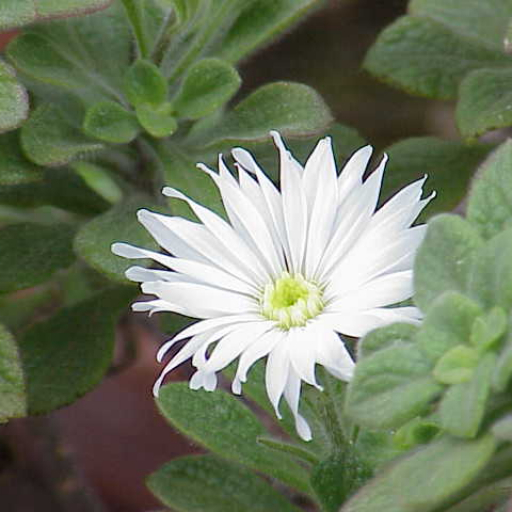
- 🍃 Wrinkled Foliage: The name rugosum refers to its "rugose" or heavily wrinkled leaves. They are small, leathery, and often have a silvery-grey sheen on the underside to help reflect intense island sunlight.
- 🌼 Daisy-like Blooms: As a member of the Aster family, it produces charming white flower heads with yellow centers. These flowers typically bloom in clusters and have a delicate, slightly honey-like fragrance.
- 🪵 Stunted Architecture: In the wild, it grows as a low, spreading woody shrub. Its branches are stiff and gnarled, a natural defense mechanism against the persistent winds of the Atlantic.
🏡 In Your Garden
- 🏝️ The Coastal Specialist: If you are lucky enough to grow this in a Mediterranean or coastal climate, remember it is a "tough love" plant. It thrives in well-draining, rocky soil and actually prefers nutrient-poor conditions that mimic its volcanic origins.
- 💧 Drainage is Key: The Scrubwood hates "wet feet." In a garden or container, use a cactus-type soil mix. It is highly drought-tolerant once established and can survive in areas where other ornamental plants would shrivel from salt air.
⚠️ Safety & Toxicity
- ✅ Generally Safe: There are no documented reports of Commidendrum rugosum being toxic to humans or common household pets.
- 🐾 Pet Note: While not considered dangerous, the leathery, textured leaves are not particularly palatable and may cause minor digestive upset if ingested in large quantities by curious cats or dogs.
✨ Fun Fact
The Scrubwood is a "living hotel." It provides a critical habitat for several rare, endemic insects that exist nowhere else on the planet, including the St. Helena weevil. Without this specific plant, an entire micro-ecosystem of unique bugs would vanish!

Detailed Care Instructions








